Breakpoints

No Retina
Retina
XS Screen (480px)
SM+ Screen
SM Screen (768px)
SM- Screen
MD+ Screen
MD Screen (992px)
MD- Screen
LG+ Screen
LG Screen (1200px)
LG- Screen
XL+ Screen (1600px)
Short Display Name
Alpine

Men’s Alpine Takes On Timberline By Morning, Hood River By Afternoon

By Megan Harrod
August, 12 2019
Downhillers in Hood River
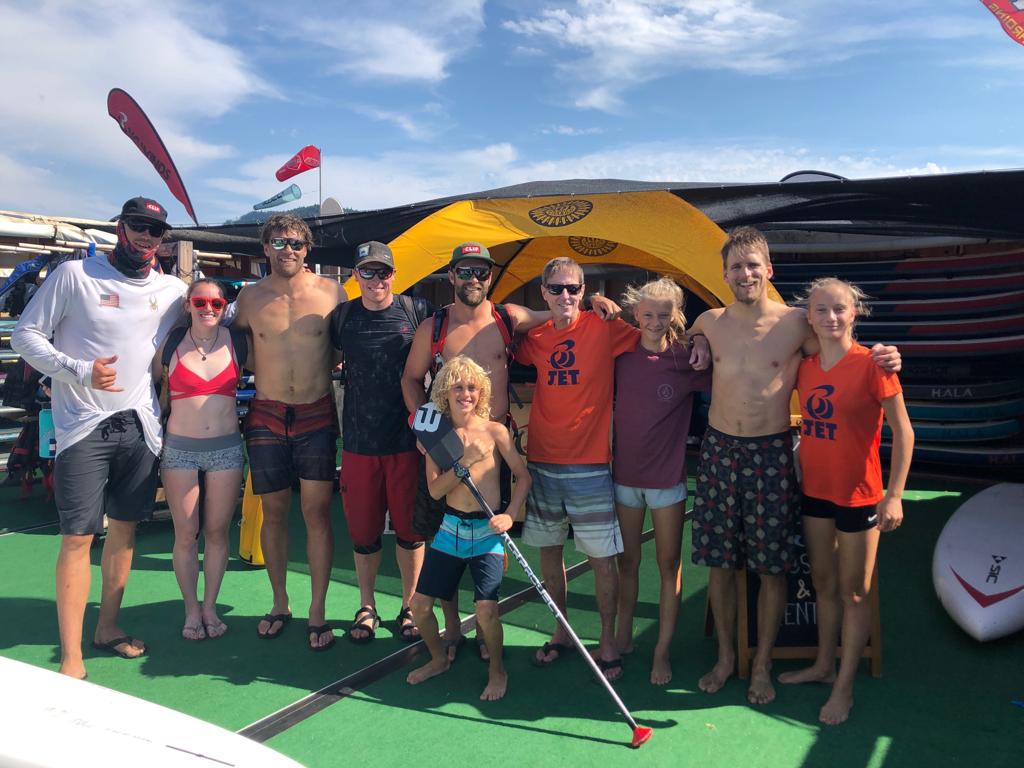
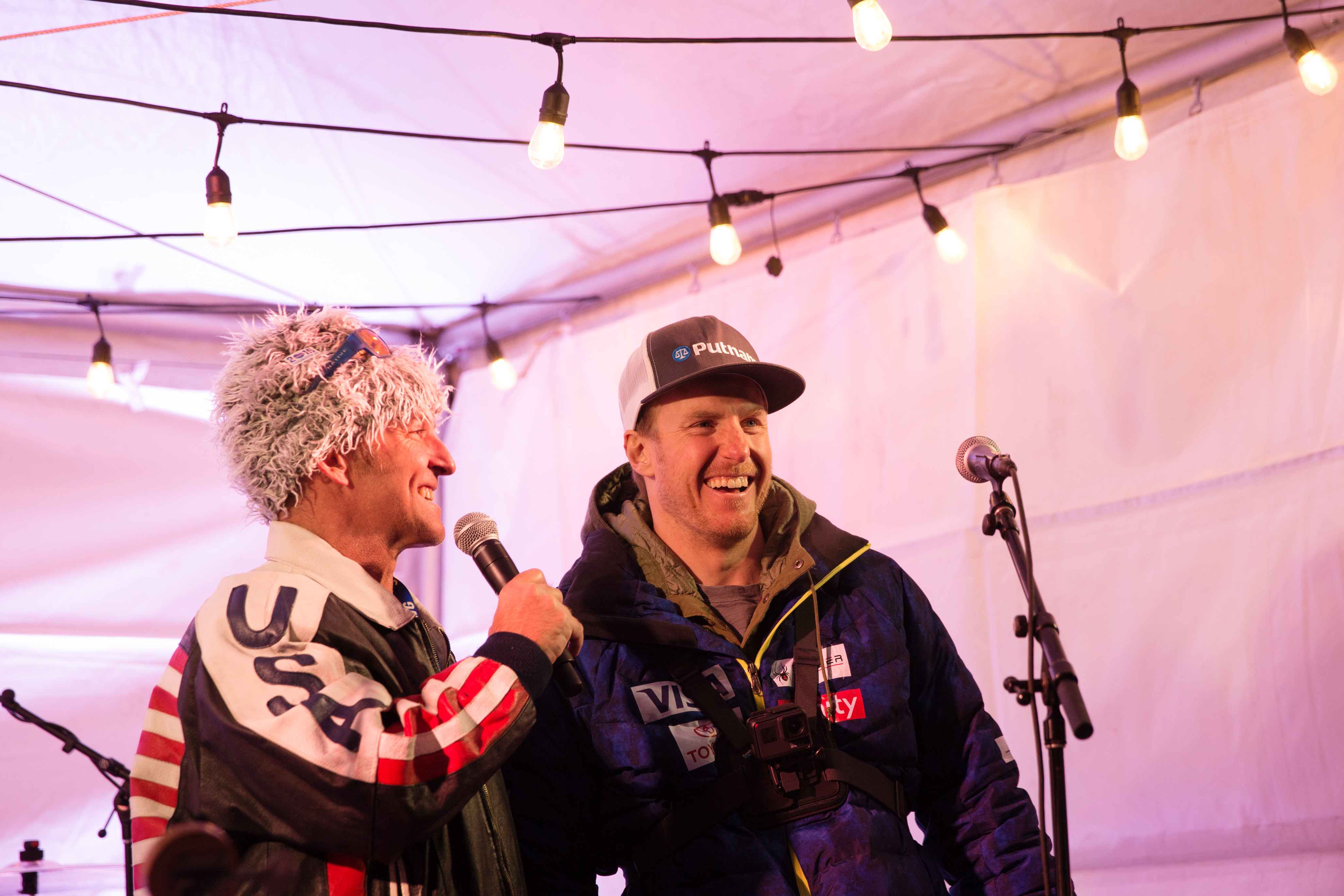
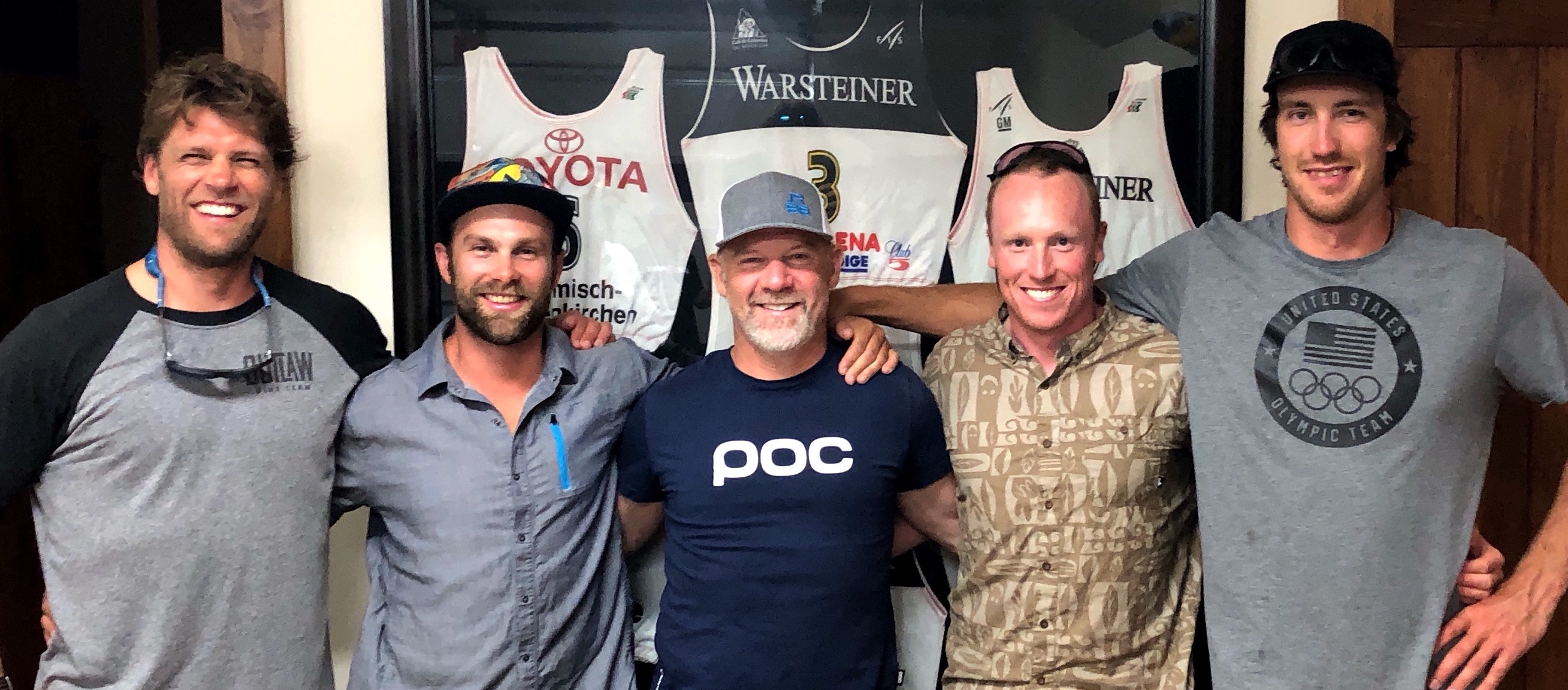
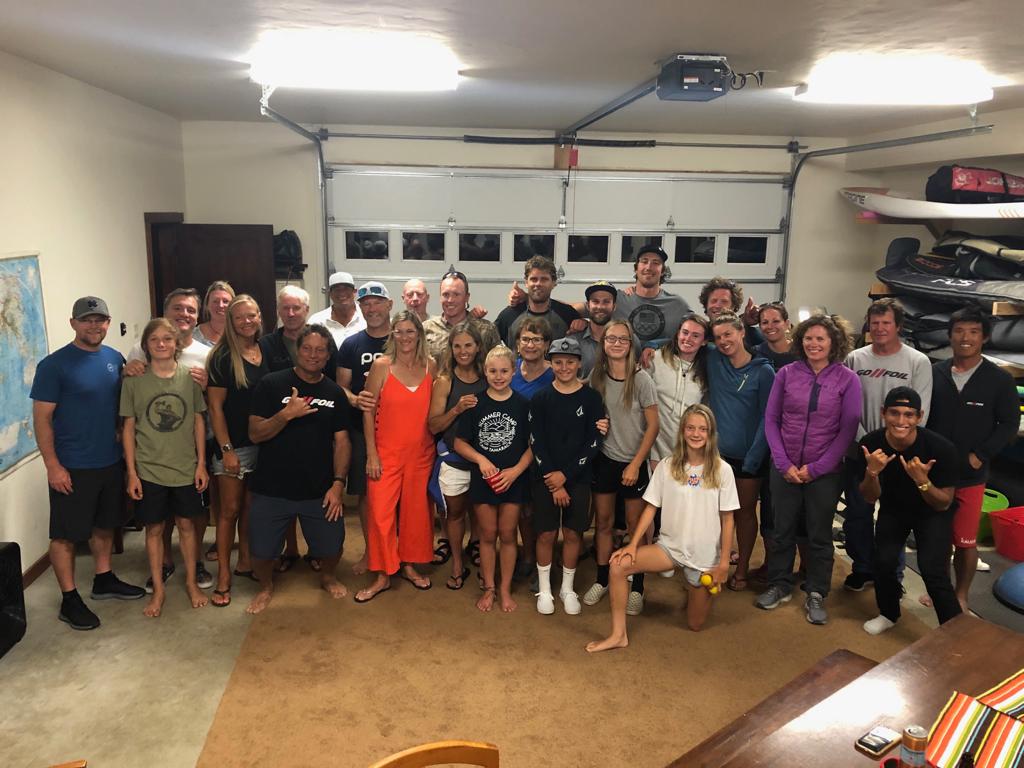
Current Downhillers Steven Nyman, Travis Ganong, Sam Morse and Bryce Bennett pose with alumnus downhiller legend A.J. Kitt at a barbecue hosted by Kitt's family during their recent Mt. Hood camp.

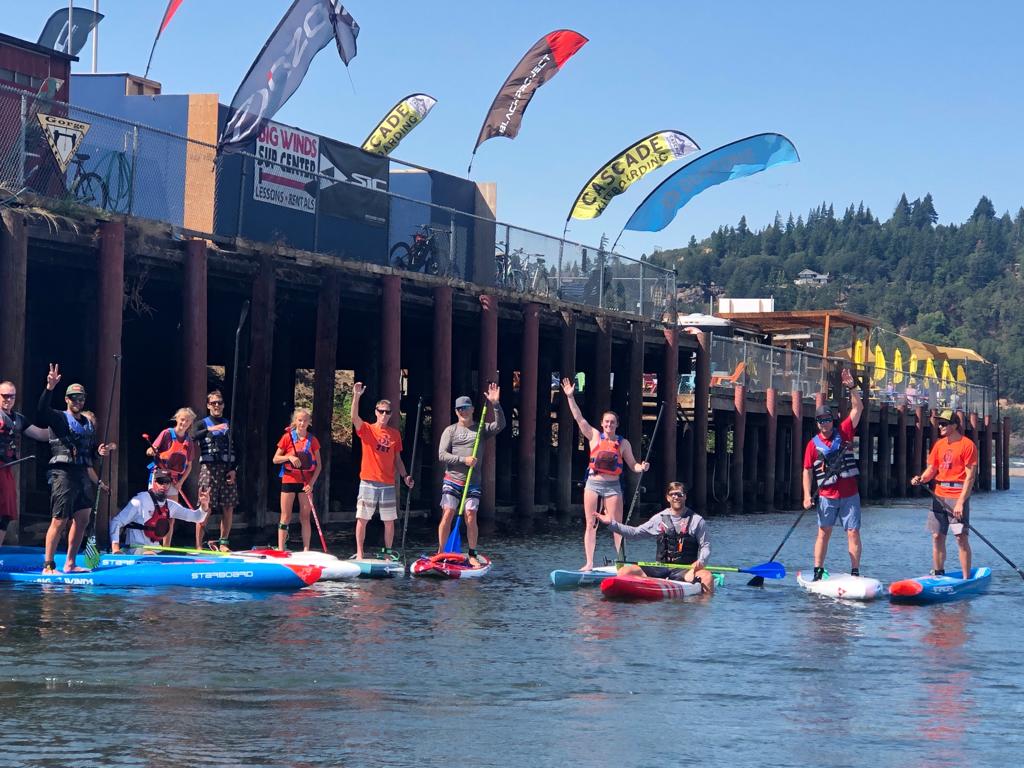
It’s been a longtime dream of recently hired men’s alpine speed team head coach Randy Pelkey to create an early prep period camp that combined time on the mountain in the morning, with SUP time on the river in the afternoon. Pelkey and the men’s alpine speed team—joined by return to snow athlete Galena Wardle (Aspen, Colo.)—recently did just that at official U.S. Ski & Snowboard training site Timberline Lodge & Ski Area in Mt. Hood, Ore.

“I thought it was a great camp,” Pelkey reflected. “I’ve had a dream about doing a camp like this where you combine the balance issues for a basics camp on Mt. Hood with the balance issues that come from balancing on a fluid, dynamic surface like water.” On-hill training consisted of a steady progression of fundamental drills and some giant slalom training, while afternoons were spent on Hood River SUPing, thanks to the help of local shop Big Winds, whose owner Steve Gates is a close friend of Pelkey. 

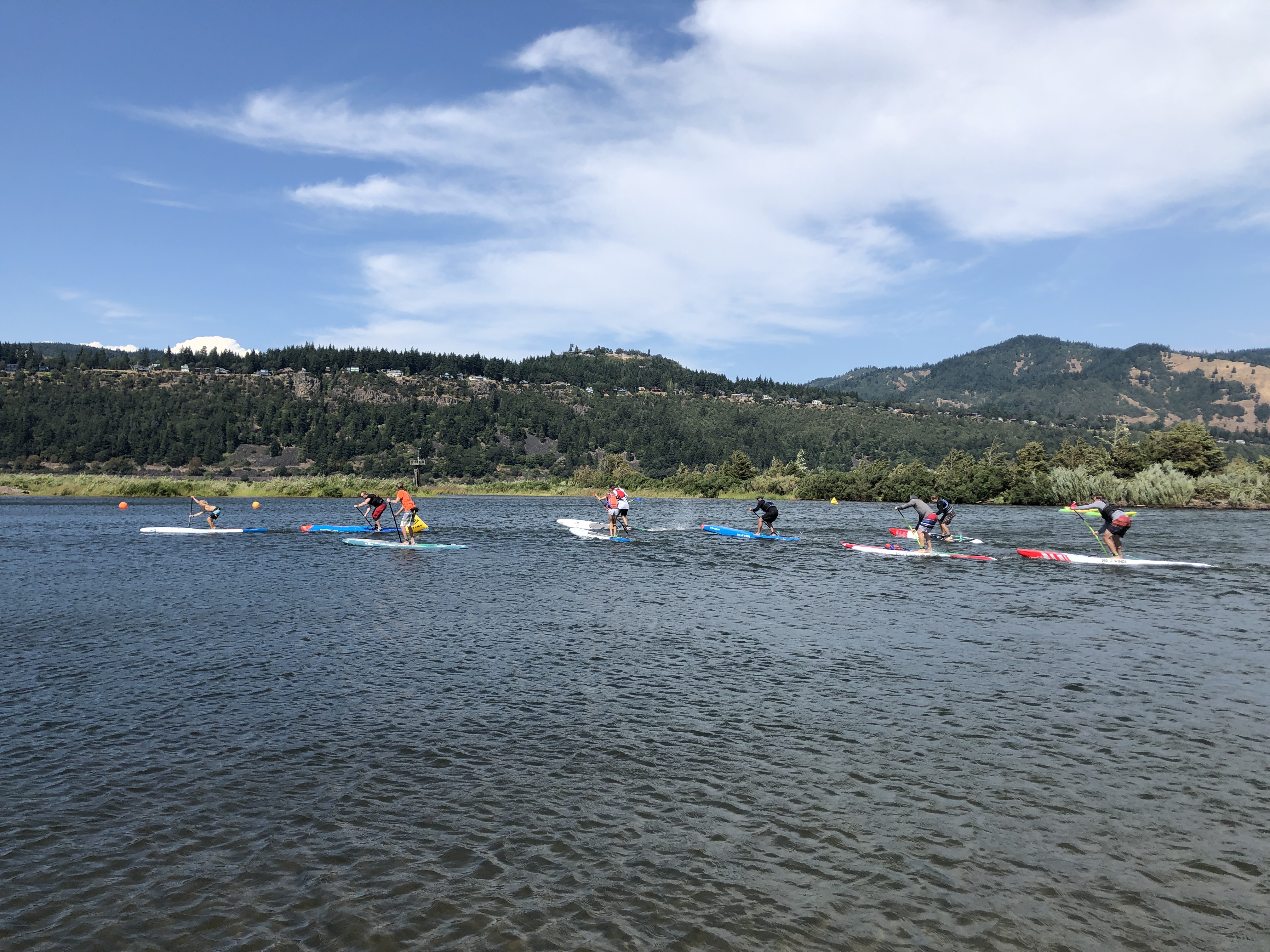
Gates—and Big Winds—graciously set the team up with two of the best paddlers in the world, including Fiona Wylde (who is top-five in the world) and Leif Bergstrom, who taught the athletes the paddle stroke on day 1 prior to the crew taking on the nearly eight mile downwinder from Viento to Hood River on the following day. Gates and co. taught the guys a few things about turning the board, using a smaller board to learn skills—which is a bit like going from slalom skis to downhill skis the next day. 

Men’s alpine athletes included veteran and team leader Steven Nyman (Sundance, Utah), Bryce Bennett (Squaw Valley, Calif.), Travis Ganong (Squaw Valley, Calif.), Sam Morse (Sugarloaf, Maine) and Tommy Ford (Bend, Ore.). In addition to Pelkey, they were joined by assistant coach Scotty Veenis and women's alpine speed team coach Karin Harjo, who—together with husband Pelkey call Oregon home—spend a significant amount of time on the Columbia River in the summer months. 
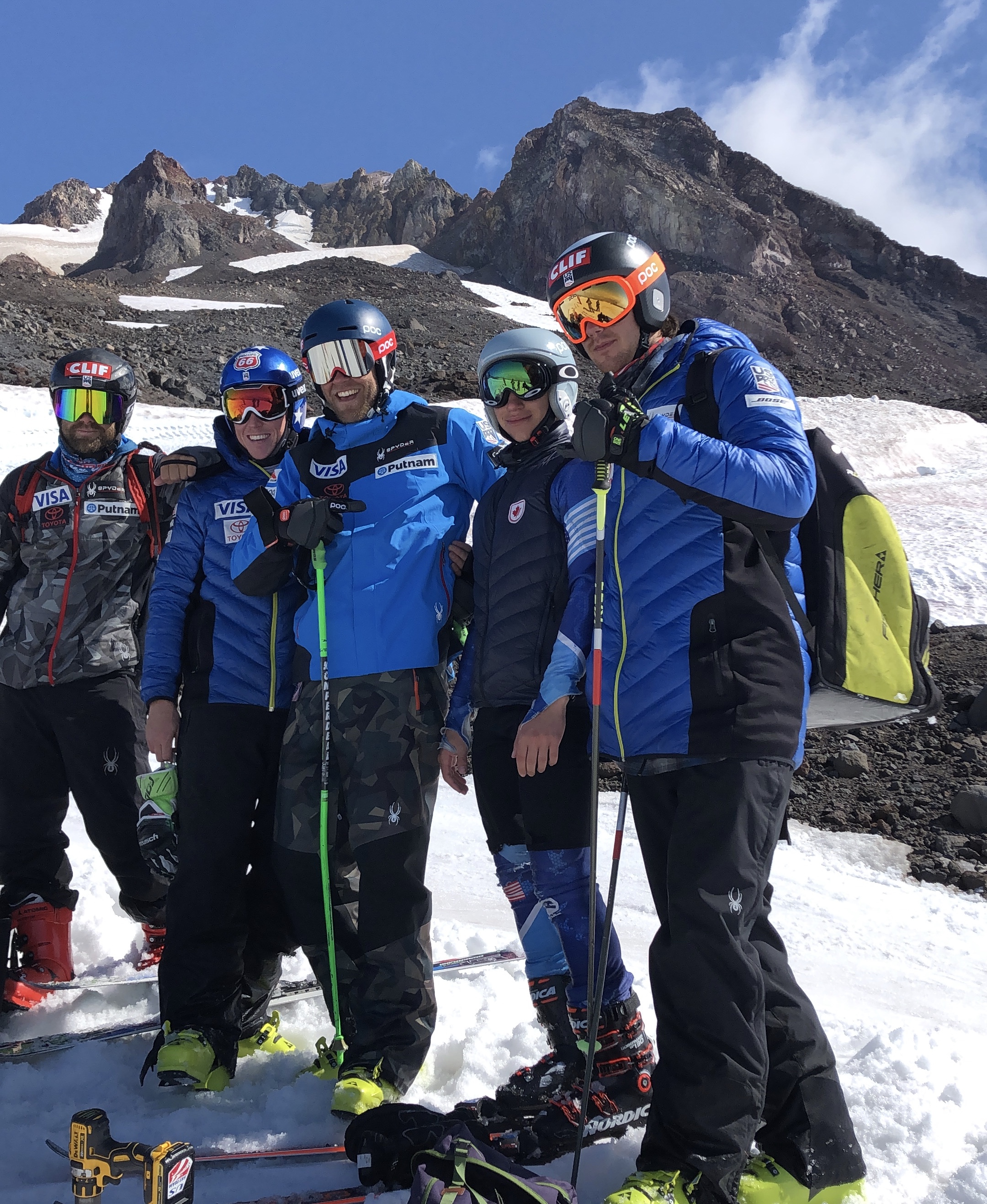
Crew Poses with a Fan at Hood

“The downwinder was really cool. It was really windy that day, and after a while we all got together as one pod going down the river and it was really fun. They just kept getting better and better. Again, the balance is tricky - you have to get on the front of the board to get it into the wave, and then you have to move back to ride the wave. I just think the parallels to skiing are so powerful.” Normally the eight mile downwinder takes about three hours to complete the first time they do it, but it’s no surprise that for this group of elite athletes, it only took 1.5 hours.  

On snow at Timberline, the crew focused on the fundamentals, sticking to brush gate courses for the first few days, with mostly giant slalom-type movements—slowing everything down. Pelkey had them do drills for depth and balance and patience, and then progress to drills for balance at the top of the turn, then balance at the bottom of the turn. They did this progression for two days, and Pelkey said the athletes were really into it. 

“The glacier was accommodating and great, and they gave us lane one everyday which was also awesome,” Pelkey commented on Timberline’s hospitality. “The surface froze one night, and the rest of the days the salt was great, and it worked. Four days on salted snow was enough for us. We kept it to eight gates of sections of GS and we were doing video right away. We kept going back to the balance and really basic stuff to knock the rust off.”

For the athletes, this first on-snow camp this summer is an important one as they build the progression to speed and head down to the Southern Hemisphere, to Chile and New Zealand, this month. “If you think about any elite sport,” Pelkey explained, “everything is founded in the fundamentals, and so truly—if you find an issue at a World Cup downhill at the worst possible spot—you can find a path to fix it through the fundamentals.” 

Bennett, who has worked with both Pelkey and Harjo in the past having hailed from Western Region, had nothing but great things to say about their first camp with their new head coach. For Bennett, the SUP session was a highlight, as was a visit to Viento CrossFit, where he—together with CrossFit Games competitor, coach and ski coach Karen McCadam—coached teammate and fellow big man Nyman to do muscle-ups. They also went to former World Cup downhiller and legend AJ Kitt’s house for a big barbecue one evening, in which there were about six former Olympians of various sports in attendance. 

“It was Randy’s home, so it was his chance to show us around his home,” Bennett said. We did an eight-mile downwinder SUP board session that was super fun, and also pretty challenging. We were catching wave after wave. I’ve worked with Randy in the past. I just really like him. He’s got a super mellow approach, he’s organized and we had a seamless first camp. We also had a sweet BBQ at AJ Kitt’s family with a big wave surfer Dave Kalama (who pioneered big wave surfing techniques with Laird Hamilton and other legends) and his son. It was fun to hangout, and I’m always inspired when I spend time with AJ.”  

Up next for this crew is a trip down to South America, where they’ll start by getting their feet wet with some tech training at La Parva, Chile before heading further down south to Nevados de Chillan for some speed training.
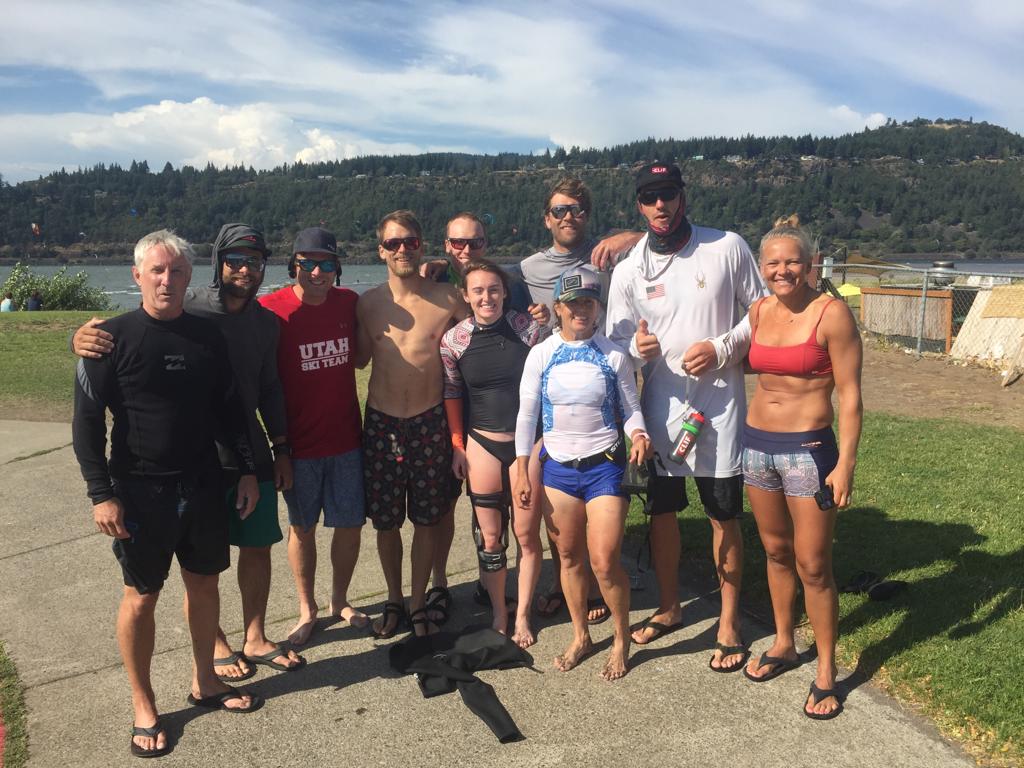
Coach’s Column: Michael Bingaman on Creating Culture

By Michael Bingaman
August, 8 2019
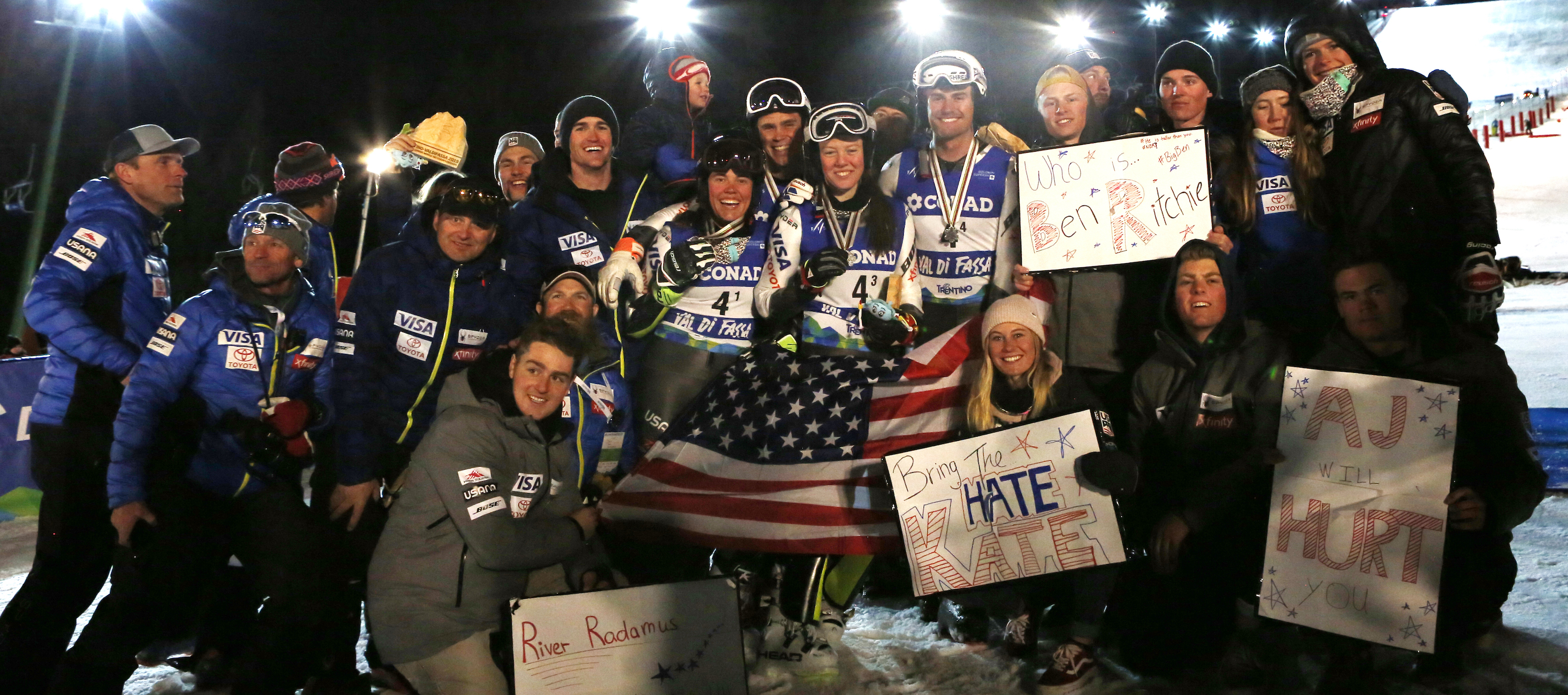
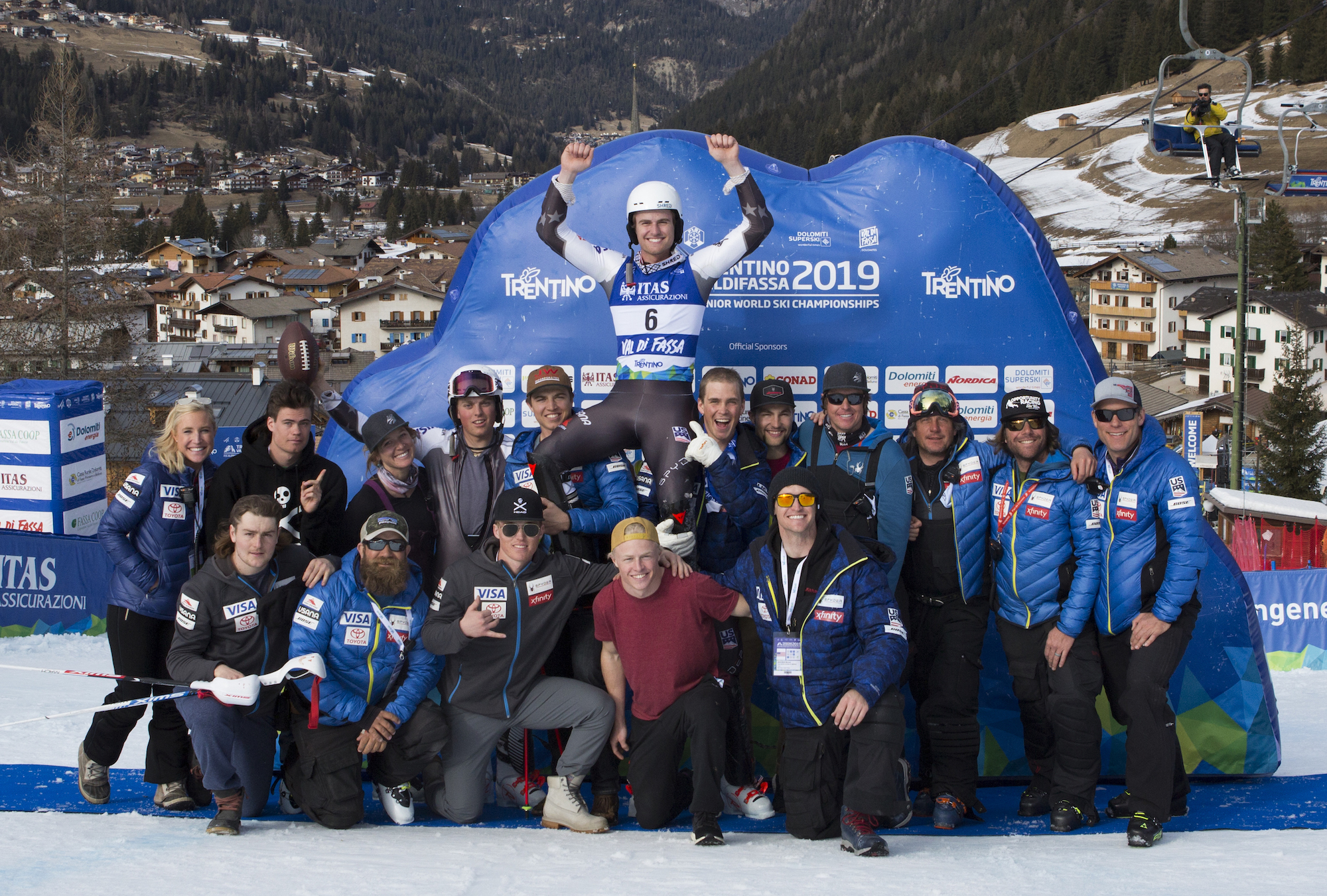
2019 Alpine Junior World Ski Championships Squad
The entire 2019 Alpine Junior World Ski Championships squad celebrates with their staff after their silver medal in the team event. (U.S. Ski & Snowboard - Michael Bingaman)

Hailing from Texas, it seemed unlikely that Michael Bingaman (“Bing” as we call him) – Athletic Development Coach for the men’s U.S. Alpine Ski Team – would find himself on the mountain, but with a Master of Science in Kinesiology/Sports Physiology, a background in Olympic weightlifting, and an open mind and excitement to take on new sports and events, it makes complete sense. Bingaman introduces a new U.S. Ski & Snowboard content series called the “Coach’s Column” that will feature staff members from strength and conditioning coaches to physios, on-hill coaches and beyond. From creating a successful team culture off the hill that translates to on-hill success to female coaches with a goal to inspire and nurture the next generation of rippers (and much more), we’ll bring you stories from the ground through the lens of our coaching staff who know our athletes best.

These staff members spend countless hours traveling from point A to point B in the winter with athletes, eating dinner as a team, training in the gym and on the mountain, often celebrating Christmas away from home and instead with their athletes and fellow staff members, and the list goes on. They’re more than a team…they’re a second family – a winter family. It’s not easy to be away from home. The days are long and the load is heavy, and it’s sometimes thankless work for these behind-the-scenes heroes. We hope that by sharing their stories, in their words, it will give you all some understanding and appreciation for what it takes to create an environment in which our athletes can thrive.

Enjoy the journey, 

Megan Harrod
Alpine Marketing Communications Manager

------------------

“Oh, so you just get people strong,” they say. As an Athletic Development coach, I’ve had my entire job summed up with those words more often than I can count; though quite innocently, I might add. When I’m meeting someone in passing, I’ll usually just laugh and reply, “Yeah, that’s about right.” But the truth is that preparing an athlete, especially an athlete who is set to perform at the highest level of sport, goes far beyond this simple summary.

Those of us who share a similar role, but with different teams here at U.S. Ski & Snowboard recently and very deliberately changed our job titles from “Strength & Conditioning Coach” to “Athletic Development Coach”. This was done for a number of reasons, but the most important reason is that we do far more than simply “strengthen” and “condition” athletes. Words paint pictures, and “Strength & Conditioning Coach” – often shortened to “Strength Coach” – is far too simplistic of an image to explain what we’re actually up to. At our core, we in the High Performance Department seek to “develop competent, confident, and connected athletes and teams of strong character that are physically and mentally prepared to be the best in the world in skiing and snowboarding.” With all of that in mind, I’ll be quite frank: Getting athletes strong is both incredibly simple and often the least of my concerns.

The first and most important of these is love. I do what I do because I care, and I care A LOT. In a presentation I give to my athletes to kick off our prep-period each year, I make a point to state this very clearly to my guys: “I care about you as a person more than I care about you as an athlete.”

If everything I did as a coach was built upon three pillars, those three pillars would be love, excellence, and fun. The first and most important of these is love. I do what I do because I care, and I care A LOT. In a presentation I give to my athletes to kick off our prep-period each year, I make a point to state this very clearly to my guys: “I care about you as a person more than I care about you as an athlete.” Though a goal of mine is to prepare athletes for success at the highest level, their performances do not, in any way, affect how I feel about them as people. And it’s with this understanding that our training begins.

In 1943, psychologist Abraham Maslow published a book titled, “A Theory of Human Motivation,” from which his famous “Hierarchy of Needs” was born. His model is important because the peak of his pyramid is topped with “Self-Actualization,” or the “desire to become the most that one can be.” Those working and competing in elite sport identify with this desire at a visceral level. The base of his pyramid is formed by the meeting of our physiological needs followed by our safety needs. Atop that, in the middle, we find “love and belonging”, which supports “esteem”. Though Maslow points out that each of these levels doesn’t need to be filled to 100% before the next level can be built, the point of this all is that the journey to self-actualization has something of a sequential road map. To focus solely on peaking an athlete’s physical performance while neglecting to attend to his inherent need for belonging, for recognition, for connection, for family, is akin to constructing a mansion out of sticks – once the storms come (and they surely will), the walls come crumbling down.

Let’s bring it home: athletes on teams who don’t feel like they belong, who don’t feel cared for or connected, who don’t feel supported, are fighting an uphill battle that is rarely won. And to step back even more, the same is true for any of us – whether that be at our jobs, in our home life, or with our friend groups. The needs Maslow describes are innate in us all, regardless of profession; elite athlete or not. My pitch today, if I only get one, is this: See the person first.

Once you get to know an athlete as a person, once you discover their background, their motivations, their fears and hopes and dreams, you can truly begin to build something special. A team should be a family, individual sport or not, and the more a group resembles a family, the better things will be. What does it mean to be a family? It means you’re together through thick and thin. It means you look after one another. It means you care because you choose to care, day after day. It means you work together towards a common goal. It means you laugh together, and you’ll cry together. You’ll celebrate together, and you’ll work through difficult times together. When done well, this familial feel fills each of us to the brim in the categories of “Love and Belonging” as well as “Esteem”, the middle sections of Maslow’s hierarchy. It’s only then that self-actualization can be fully supported and reached.

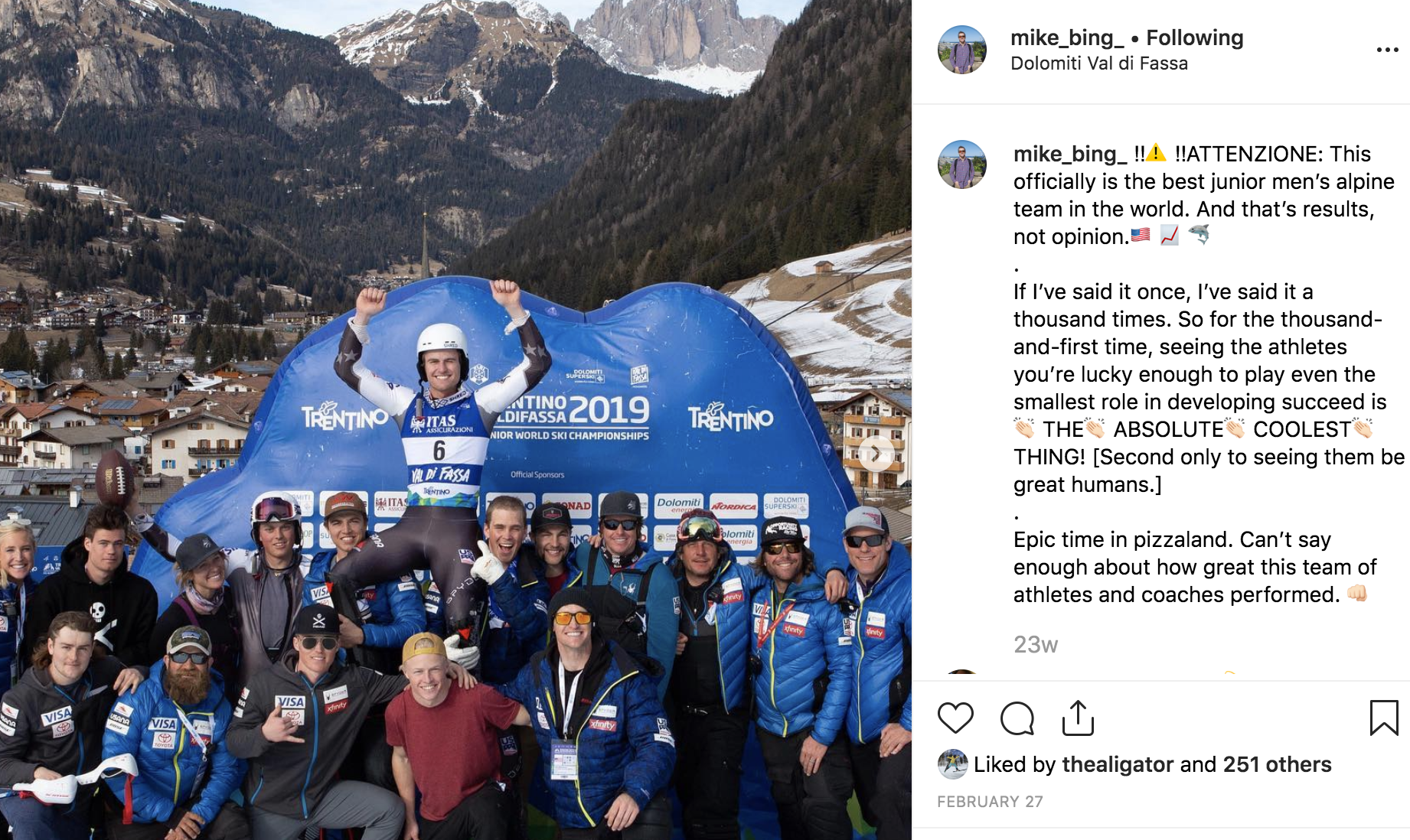
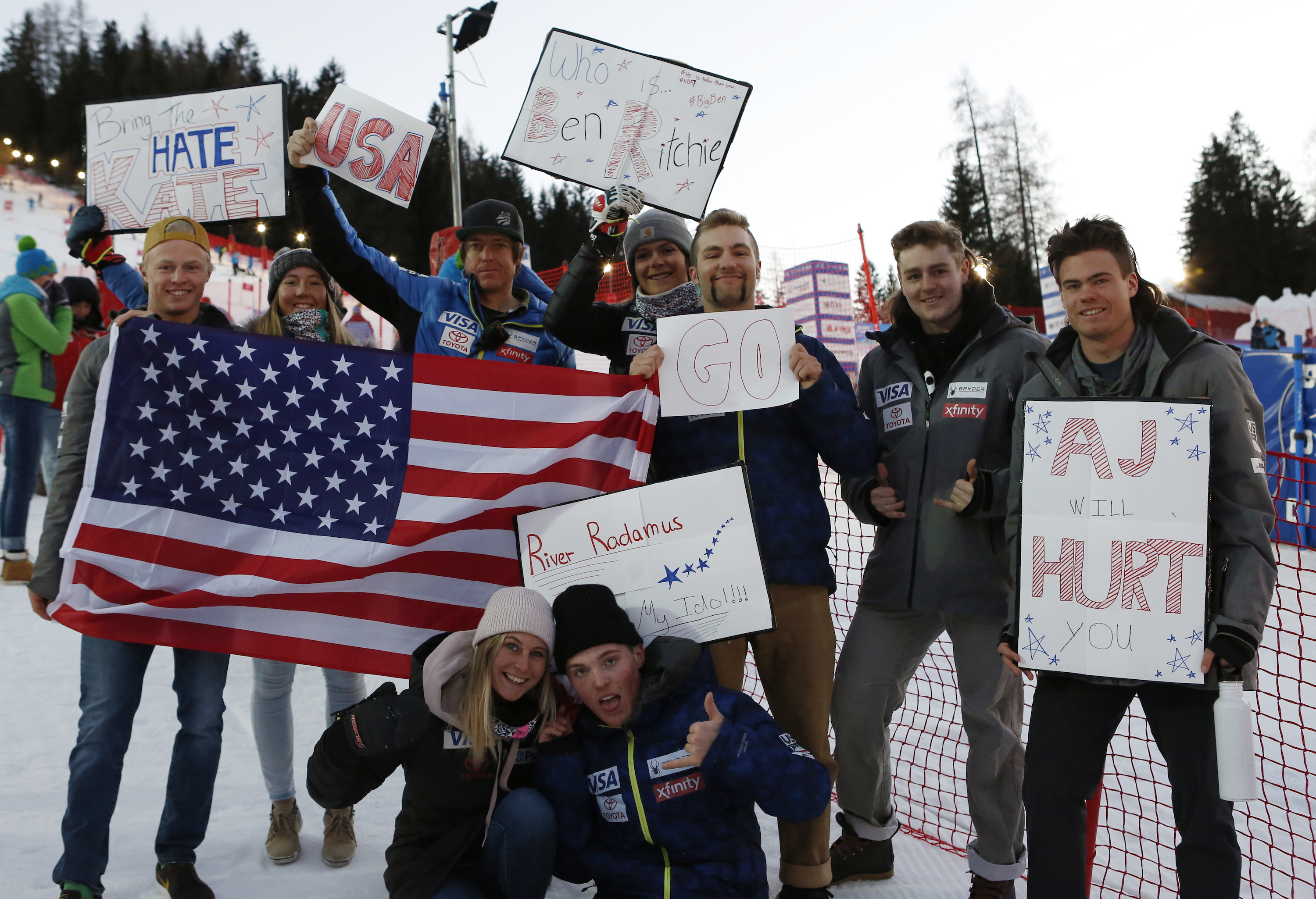
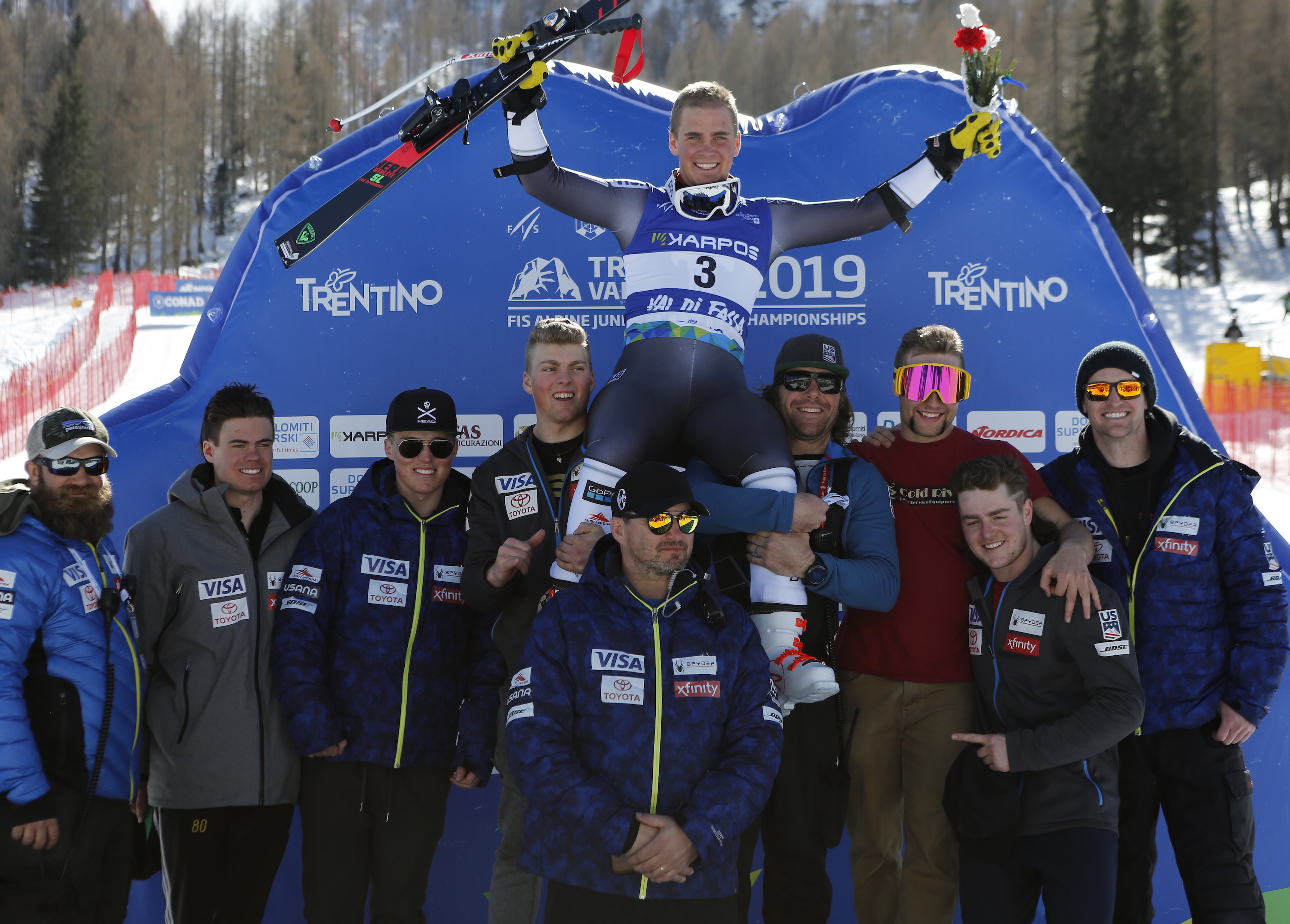
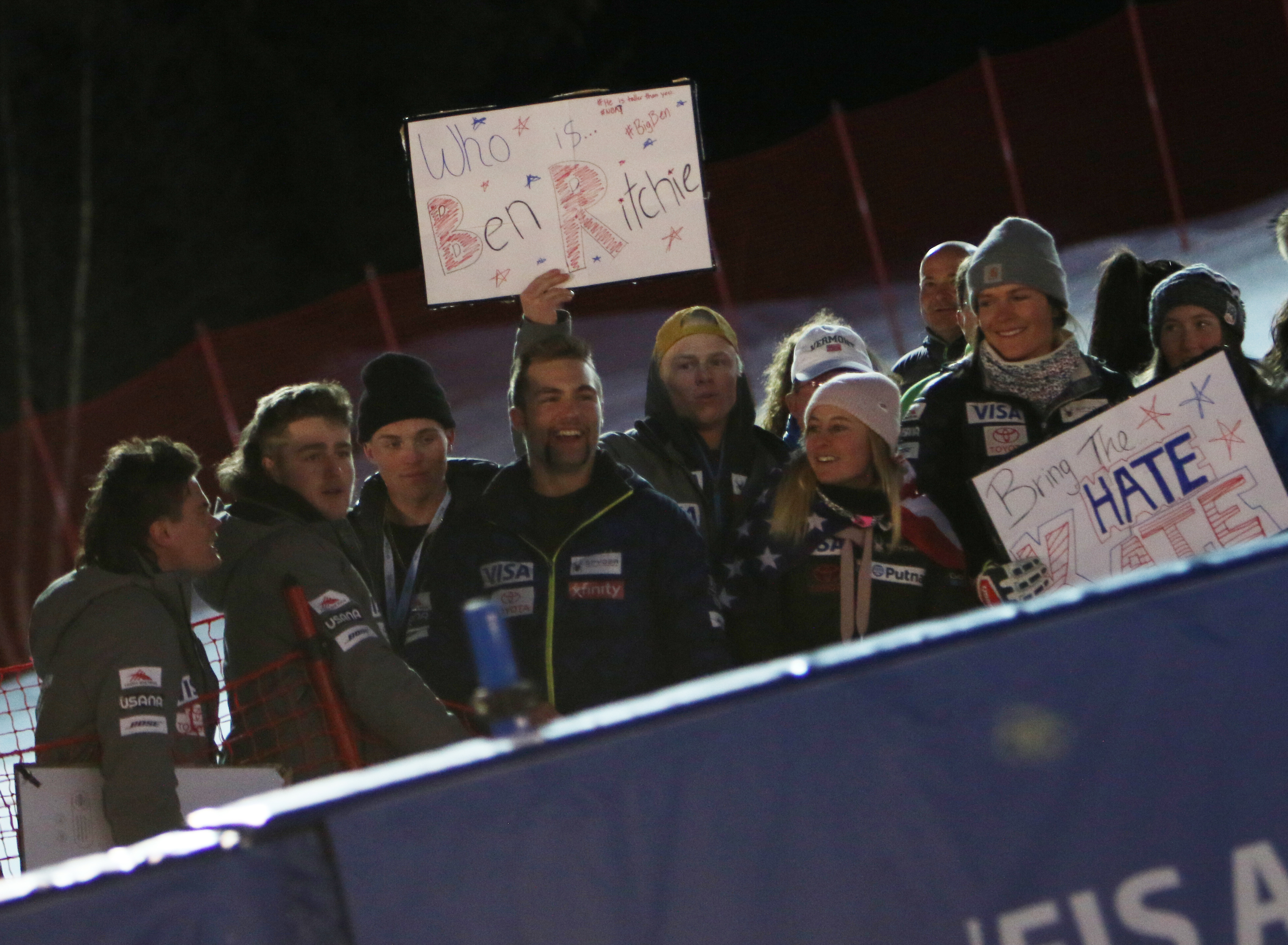
My first real taste of this was with my 2017-2018 NorAm/Europa Cup team, more commonly known as The Shiver. (The “#MeetTheShiver” hashtag on Instagram will tell you all you need to know about this special crew.) This was a team of men who truly cared for one another, and not surprisingly then succeeded together. The success this group had and the successes that followed for the up-and-coming men’s alpine athletes speak for themselves – in their 2019 World Juniors showing, they were the best men’s team in the world. Did every single individual win a medal? No. But, every single individual played a role in every medal that was won.

From sweating together through hundreds of hours of sessions in the gym to pushing one another on the hill to making one another laugh and simply caring when it mattered most, this team is ALL-IN together. Everyone belongs, everyone has a role, everyone contributes. The group’s success isn’t some unexplainable mystery. They were prepared, physically and psychologically, and they executed. And the entire time, they were supported, loved, challenged, and held accountable.
 

The whole team celebrates Ben Ritchie's silver medal at Junior Worlds.

Success in this sport hinges on a lot coming together at once, and so many of those things are out of our control. On the flip side, so many things are within our control. While we can’t control the weather or the snow conditions, we CAN prepare the athlete. We can obviously get them stronger and fitter, we can tweak their setup and tune their skis, we can adjust their line and their tactics. But, as we consider all of that, we must also see the person first. We should shape cultures, set environments, build teams, encourage unity, and teach resilience. We should listen, laugh, nurture, and care. We should work through defeats, learn from both losses and wins, and grow better together. We should look after one another, challenge one another to be more, and hold one another accountable.

To be a small part of the support staff at U.S. Ski & Snowboard means we should do everything in our power to see the athlete kick out of the start as prepared, confident, and ready – physically, mentally, and emotionally – as is humanly possible. And THAT, in short, is what I, as well as the rest of the support staff, actually work to do. Like I said – simply getting athletes stronger is the easy part.


Killington World Cup Tickets On Sale August 21

By U.S. Ski & Snowboard
August, 5 2019
Killington Tixs

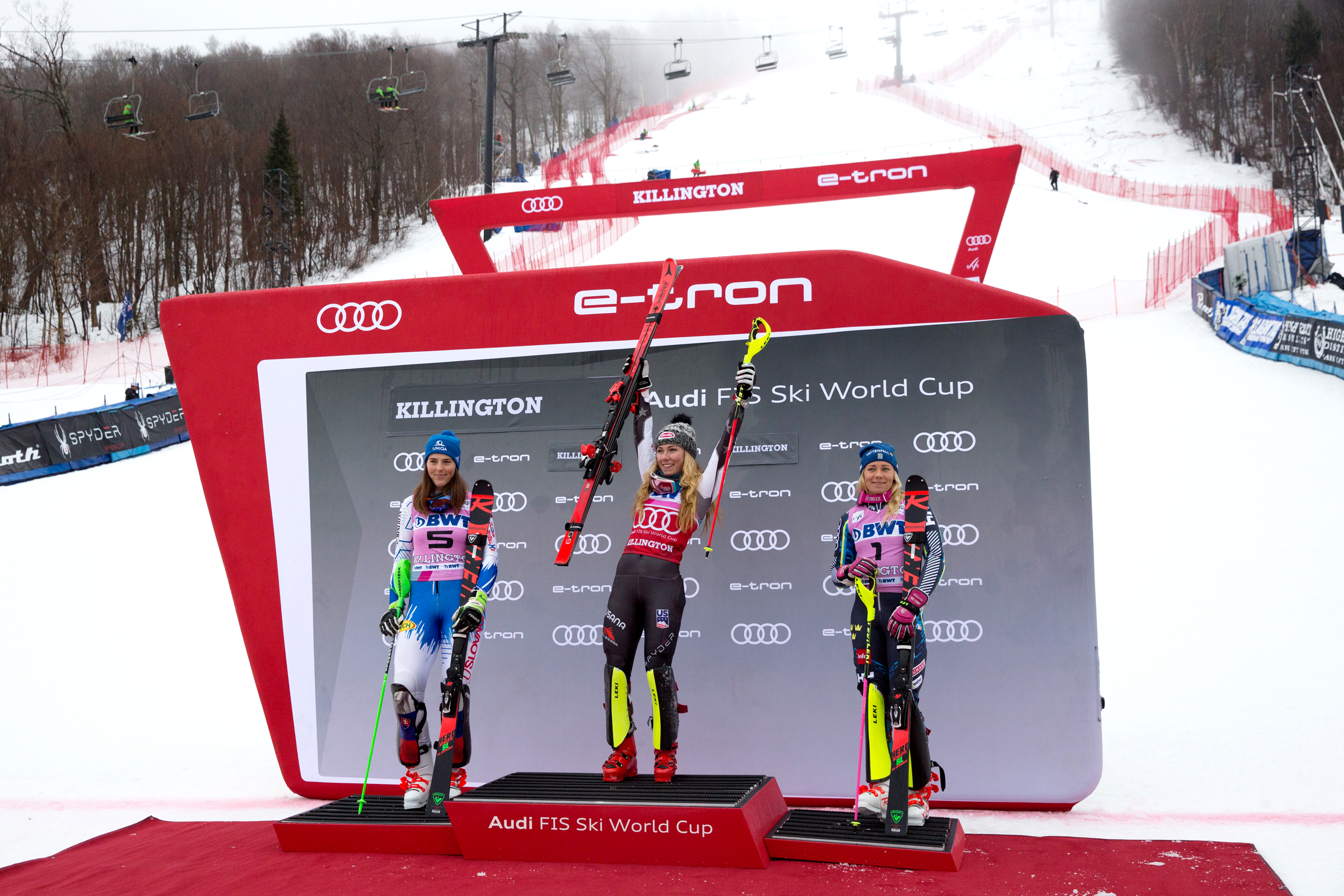
Vermont’s Killington Resort, the largest ski and snowboard destination in Eastern North America and a POWDR resort, announced today that tickets for the 2019 HomeLight Killington Cup will be available for purchase starting Wednesday, August 21 at 9:00 a.m. ET at killington.com. Taking place November 29-December 1, the World Cup will once again bring the women’s giant slalom and slalom races to Vermont and is expected to attract U.S. Ski Team superstar Mikaela Shiffrin to compete against the best women’s technical alpine skiers in the world.

“Killington and the entire community is eager to welcome back world class alpine skiing for the fourth consecutive year. We’ll once again offer free-access viewing areas so the thrill of alpine ski racing can be enjoyed by all and everyone can be inspired by these amazing athletes, especially the next generation of alpine ski racers,” says Mike Solimano, president and general manager of Killington Resort and Pico Mountain. “Over the years, the community’s support has helped us showcase Killington and the state of Vermont to the international ski audience, and we look forward to displaying ‘winter in its original state’ once again on Thanksgiving Weekend.”

Killington Resort will host free concerts throughout the event, in addition to an already action-packed, fun-filled weekend. Other entertainment includes the World Cup Festival Village, fireworks, athlete parades and the Friday night bib draw featuring top athletes.

“It’s exciting to welcome the best women ski racers in the world back to Killington, especially coming off of such an incredible winter season. It was only two months ago, on June 2, that Killington’s ski season ended,” says Herwig Demschar, chair of Killington’s World Cup Local Organizing Committee. “Now, were talking about snowmaking as the resort prepares the Superstar course for another World Cup. Guests joining us for the World Cup weekend will experience Killington as they never have before with world-class racing, live music, autograph signings, fireworks and more – creating a weekend in the mountains not to be missed.”  

New this year, tickets for the Saturday and Sunday events can be purchased as a weekend package. Ticket offerings for 2019 Killington Cup include:

General Admission - Free

In addition to the ticket offers, there will be plenty of free access viewing space for all fans to enjoy. The free area provides standing room access near the base of the Superstar trail and along the run with two jumbo screens for viewing the full race course.

VIP Tickets - $550 Sat/ $500 Sun/ $1,000 Weekend

VIP tickets are available at kwcfgivesback.org in partnership with the Killington World Cup Foundation, which supports athlete hospitality and provides grants to bolster winter sports infrastructure and access to winter sports throughout the 

region. Last year, the KWCF raised $250,000 in grants that they distributed to 21 winter sports programs in seven different states.

4241’ Finish Pavilion - $175 Sat/$150 Sun/$300 Weekend

The 4241’ Finish Pavilion, located on skier’s left of Superstar (below the KMS bag jump), provides, a semi-heated tent and premium viewing area featuring a continental breakfast and lunch buffet with soft drinks and hot beverages catered by the Peak Lodge. A beer and wine cash bar will be available.

Premier Grandstand – $100 Sat/$90 Sun/ $175 Weekend

The Premier Grandstand offers guaranteed access to the highest five rows of the grandstands at the base of Superstar trail, providing one of the best vantage points of the course. Premier Grandstand tickets are limited in quantity and 100% of the proceeds benefit the Killington World Cup Foundation.

Grandstand – $45 Sat/ $40 Sun/$75 Weekend

Ticketed Grandstands are located at the base of the Superstar trail, adjacent to the race course, and are general admission for all rows except the top five. The grandstand provides an elevated view of the race course, along with two jumbo screens broadcasting top-to-bottom race coverage. Limited accessible seating access is available in the front row of the grandstand.

Free parking and shuttles will be available around Killington Resort, however attendees can purchase a preferred parking passes in the Vale parking lots for $25. Preferred parking passes can be purchased when tickets go on sale at killington.com.

For additional information about Killington Resort and the 2019 Audi FIS Women’s Ski World Cup, please visit killington.com/worldcup.

McKennis Featured in Vail Daily: Unbroken and Undeterred

By U.S. Ski & Snowboard
August, 1 2019
Alice McKennis Back on the Podium
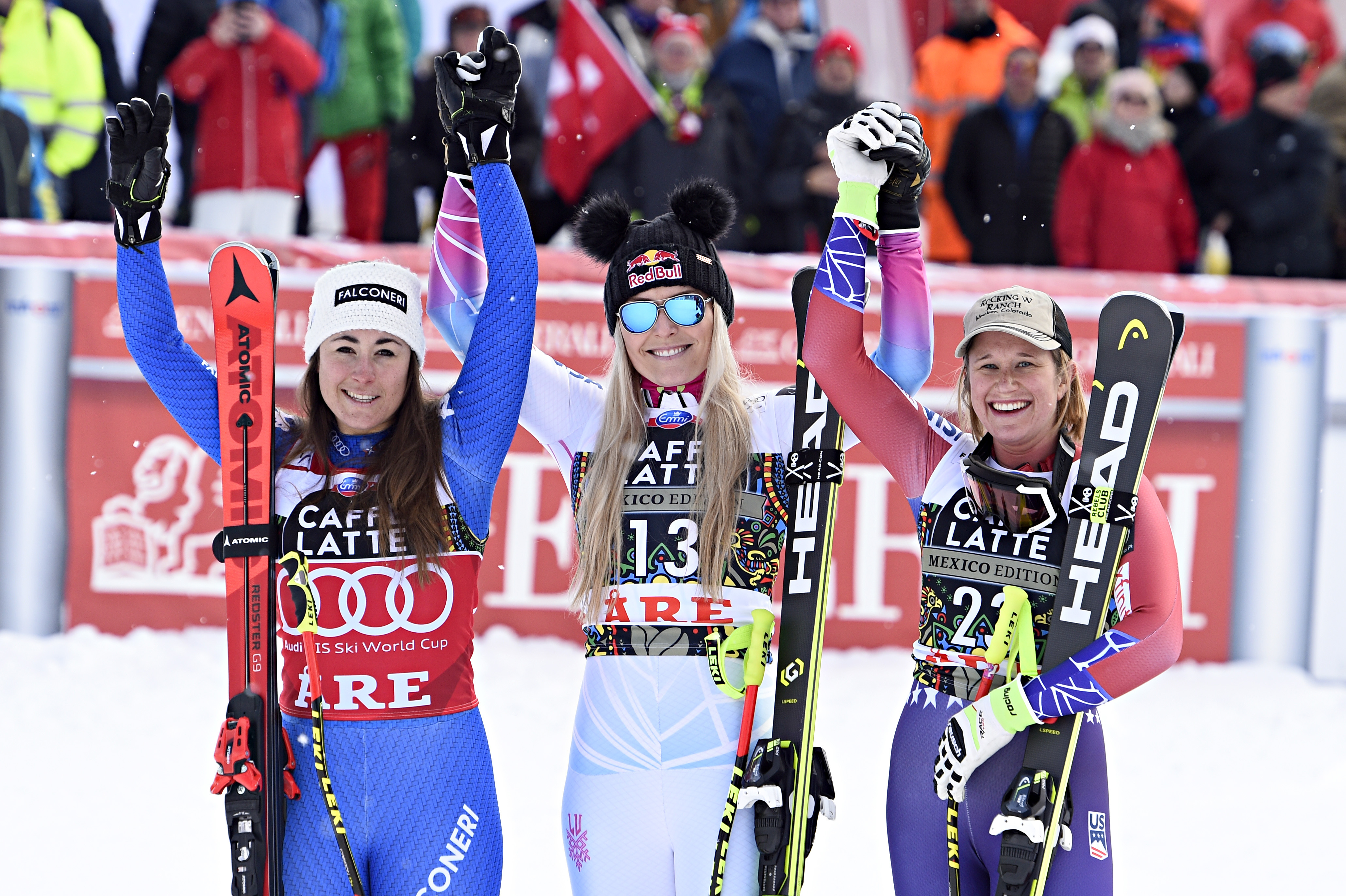
Alice McKennis lands back on the podium for the first time in five years, taking 3rd place during the World Cup Finals Women's Downhill on March 14, 2018 in Are, Sweden. (Getty Images - Alain Grosclaude)

Olympian Alice McKennis (New Castle, Colo.) has gone through her fair share of career ups and downs. In 2013, McKennis landed her first FIS Ski World Cup podium - which just happened to be a victory - on the challenging St. Anton, Austria track. The next season, though, McKennis shattered her right tibial plateau into about 30 pieces in a Garmisch-Partenkirchen, Germany crash that sidelined her for the remainder of the season. It would take McKennis a ton of hard work and unmatched perseverance to make it back to the podium, which she did at the end of the 2017-18 season in Åre, Sweden, with a third place. 

McKennis grew up on a cattle ranch in New Castle, Colo., but she lived close enough to the mountains for her future career path to make sense. Her father, Greg, took her to Sunlight Mountain Resort in Glenwood Springs, Colo. before she had even turned two. She began racing at age five, following her older sister, Kendra, who later competed on the FIS level for two seasons. When she was nine, McKennis joined Ski Club Vail, the club that was nurturing the all-around skills of Alpine star-in-the-making Lindsey Vonn. McKennis watched in awe and took some valuable mental notes as the U.S. Ski Team phenom, who was five years older than her, tore down the slopes. After several years of bouncing around different ski clubs in Colorado, McKennis landed with the Aspen Valley Ski Club.

Edward Stoner of the Vail Daily recently caught up with McKennis to talk about her progress after her most recent setback - a "freak accident" in 2018, in which McKennis crashed while coaching at a camp for future downhillers in Mammoth Mountain, California. Of course, this would come on the tail-end of one of McKennis' best seasons of her career, with a fifth at the Olympics in Pyeongchang in downhill, and a podium at the World Cup Finals in Åre, Sweden alongside her now-retired teammate Lindsey Vonn (Vail, Colo.). She suffered a transverse fracture of both her tibia and fibula. That was the start of a nagging injury that just wouldn't heal. 

McKennis underwent surgery in Mammoth in May, which entailed getting two titanium rods — one for the tibia and one for the fibula. Doctors were still suggesting that she’d be skiing at some point that winter.

At six weeks, her physician, Dr. William Sterett, of Vail Summit Orthopaedics and the U.S. Ski Team, saw essentially no bone healing in X-rays. She underwent another surgery in July, this time to remove a screw that was potentially slowing the healing.

Six weeks later, there was still little healing. She began to develop a searing pain on the inside of her ankle when she walked. Medical imagery revealed that scarring around the fracture was the source of the pain.

It got to the point where she could barely walk.

“The whole time, my leg was just still broken, and that was really one of the hardest things I’ve had to go through,” she said.

Doctors told her she needed ankle surgery. She’d go home and cry. Then she’d go to the gym push her body to the limit. The rods were effective in stabilizing the bone, allowing her to train relatively hard. But walking was painful. She remembers literally crawling from station to station in the gym at one point.

So, after all of this - you may think to yourself, 'Why keep going?! Is it worth it?' 

For McKennis, it is. She wants to win more World Cup races. She wants to go back to the Olympics. She knows she has more gas left in the tank. The Vail Daily asked her, and here's how she answered: 

“Those are things I still want to achieve and I’m really confident I can, so I’m not ready to give up on that. I’m not ready to stop that dream. I still want to pursue it for a few more years and see what I can accomplish. From when I was young, it was always my dream to do this. So, I’m just not ready yet. I still think I have a lot to give to the sport.”

Keep an eye out for Mckennis, who has returned to snow and will be back with the women's speed team in Portillo, Chile in September. 

Read the full article on VailDaily.com. 

Second Annual U.S. Ski & Snowboard Speaker’s Bureau

By Megan Harrod
July, 31 2019
Speaker's Bureau
U.S. Ski & Snowboard athletes took part in the U.S. Ski & Snowboard Speaker’s Bureau program – an intensive, year-long training program offered to a small group of athletes and alumni to hone their speaking skills and learn what it takes to be a successful keynote speaker.

For the second year in a row, U.S. Ski & Snowboard athletes took part in the U.S. Ski & Snowboard Speaker’s Bureau program – an intensive, year-long training program offered to a small group of athletes and alumni to hone their speaking skills and learn what it takes to be a successful keynote speaker. This year the opportunity was offered to all Team athletes, across sports.

Coordinated by Athlete Career & Education (ACE) Director Julie Glusker in partnership with Danny Slomoff and Slomoff Consulting Group, the initial program takes place over a two-day period of time at the Center of Excellence in Park City, Utah with Slomoff’s team of three consultants, and will continue throughout the year with participants and consultants remotely until next summer.  

“We are grateful to Danny and his team for generously sharing their expertise and impactful coaching to help our athletes develop excellent speaking and presentation skills,” said Glusker. “They guide each individual athlete through a progression to learn and hone a challenging skill – speaking effectively and purposefully in public.”

One of the main goals of the program is to build their skills so athletes are able to create income through appearances. Ultimately, Slomoff Consulting Group is working with Glusker and U.S. Ski & Snowboard President and CEO Tiger Shaw to get athletes in front of 80-100 active business leaders and understand the value in inviting these athletes to their organizations to speak. Several athletes already are being paid significant speaker fees for appearances. Both Slomoff Consulting Group and U.S. Ski & Snowboard, along with trustees and donors who support the organization, will be finding paid speaking opportunities for these Speakers Bureau participants.

Slomoff has worked with Shaw for several years, and for the last four years has worked with several athletes and staff from across sports in a pro bono fashion. At the close of this year’s Bureau, which took place on July 28-29th, Slomoff addressed the group, getting emotional about their success and progress throughout the previous two days. 

Slomoff explained to the group why he got into working with Olympic athletes in the 1980s and shared that coaching speakers in business is very similar to how athletes are coached in sport, “The first thing I’m told about you is that you’re a world-class athlete,” Slomoff reflected. “Then we go through these two days and I find that you’re really interesting people. You’re doing things in your young lives that most never experience, or do not experience until much later in life. You’re all very impressive to me. I love the risks you took, the way you treat each other, believe in each other, turn to each other for advice, and more. I thank you all for that.” 

Participants echoed Slomoff’s sentiments about the impact of the program. Freeskier and Olympian Maggie Voisin (Whitefish, Mont.) said, “I liked from the get-go, that it was more about the positives. The coaches were so great at reassuring us when we were flustered.” Graham Watanabe agreed with Voisin, and added that he was thankful for not only the two-day program, but also the opportunity to work with coaches throughout the year. 

“You’re graciously offering up an additional year, and that excites me – these two days have been huge, but there’s so much more to come,” Watanabe noted. “My coach brain turns on watching other people set goals and achieve them in a short period of time. It’s not common, you don’t see it occur in athletics very often. As athletes, we set long-term goals, 5-10 years, so it’s pretty cool to make that short-term demand of yourself and to hit it.” 

Two-time FIS Junior World Ski Championships silver medalist, River Radamus (Edwards, Colo.) said, “For the line of work we’re in, these are very valuable skills. Being able to learn from Danny and his consulting group is super valuable. I’m generally very critical of myself – how my voice sounds, how I carry myself – just having to go in with no judgment and learn improvements, is so valuable.” 

From here, the program participants will work with their respective coaches throughout the next 12 months to further hone their speaking skills. This remote work with the Slomoff coaching staff will include helping athletes find and secure speaking opportunities, draft and write speeches and presentations, and practice delivery modes and styles. 

Athletes involved included: 
Alex Bowen (Springville, N.Y., Aerials - Freestyle)
Quinn Dehlinger (Cincinnati, OH, Aerials - Freestyle)
Breezy Johnson (Victor, Idaho, Alpine)
River Radamus (Edwards, Colo., Alpine)
Kikkan Randall (Anchorage, Alaska, Cross Country Alumna)
Megan Smallhouse (Reno, Nev., Aerials - Freestyle)
Darian Stevens (Missoula, Mont., Pro Halfpipe and Slopestyle - Freeski)
Maggie Voisin (Whitefish, Mont., Pro Slopestyle - Freeski)
Graham Watanabe (Hailey, Idaho, Snowboard Cross Alumnus)

Shiffrin Featured on NBC's 'At Home with Natalie'

By U.S. Ski & Snowboard
July, 26 2019
Mikaela Shiffrin and Natalie Morales
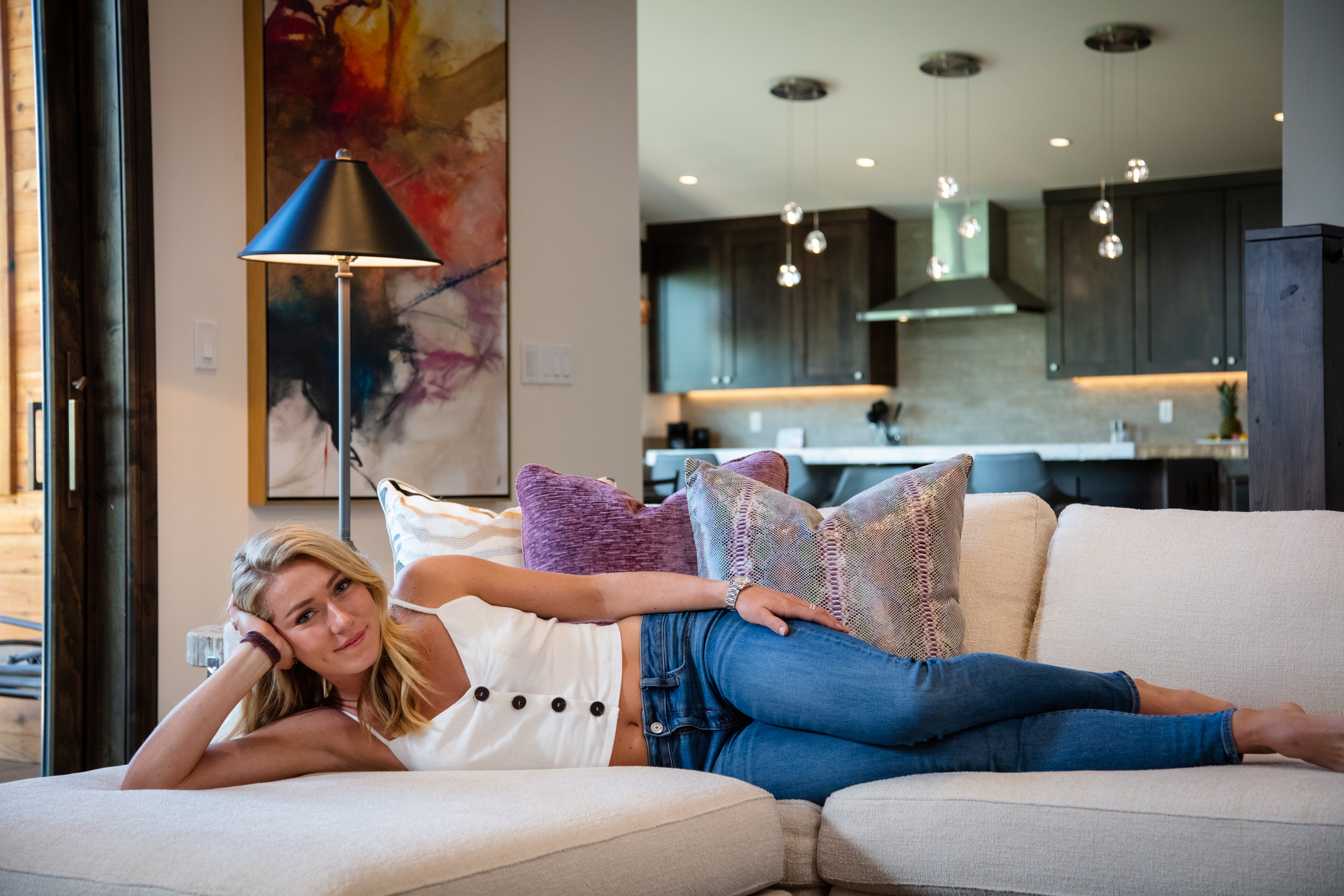
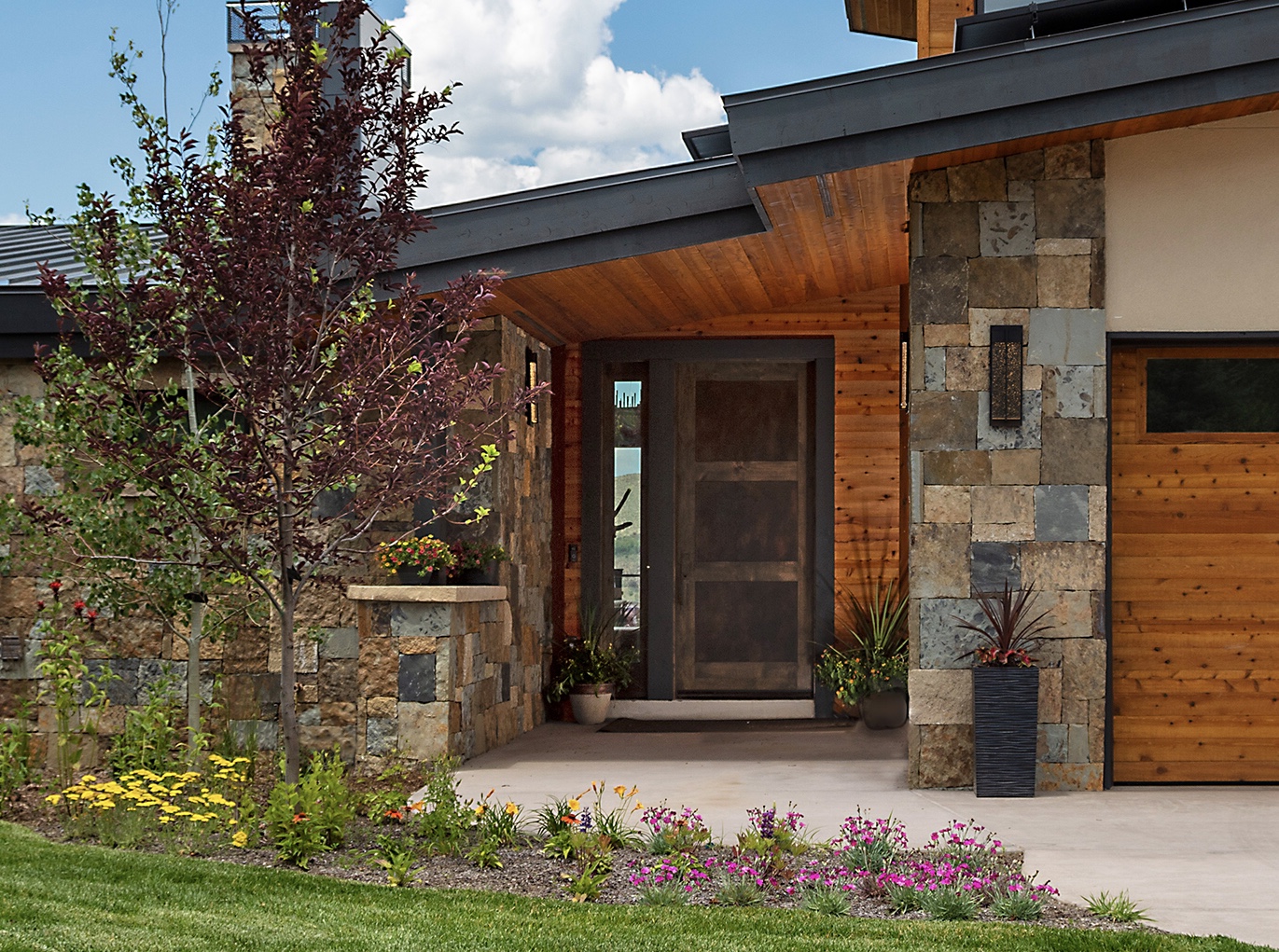
Mikaela Shiffrin and NBC's Natalie Morales pose at Shiffrin's new Edwards, Colo. home during the filming of NBC's exclusive view at Shiffrin's home on the recently debuted "At Home with Natalie Morales". (Brent Bingham Photography)

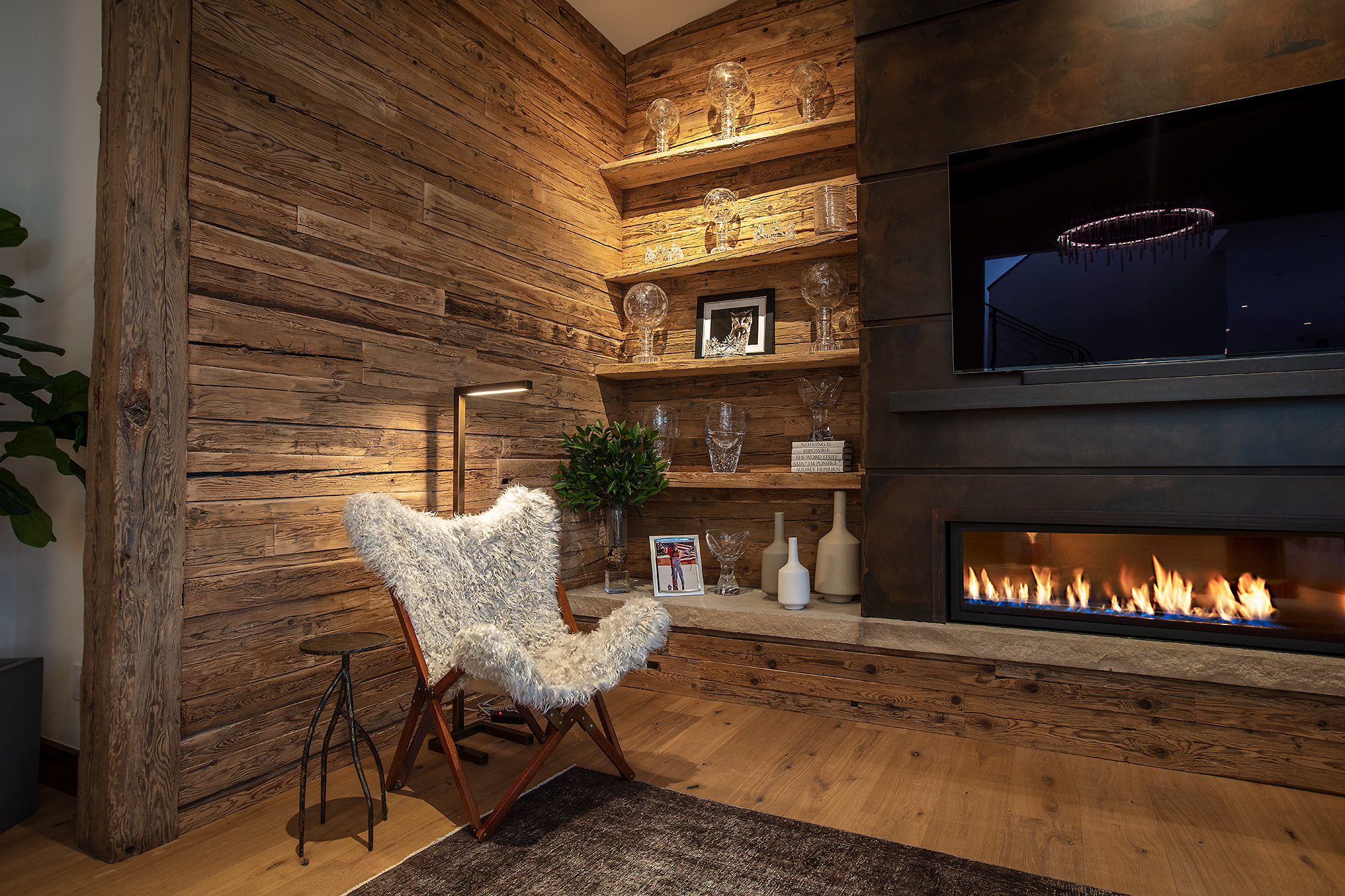
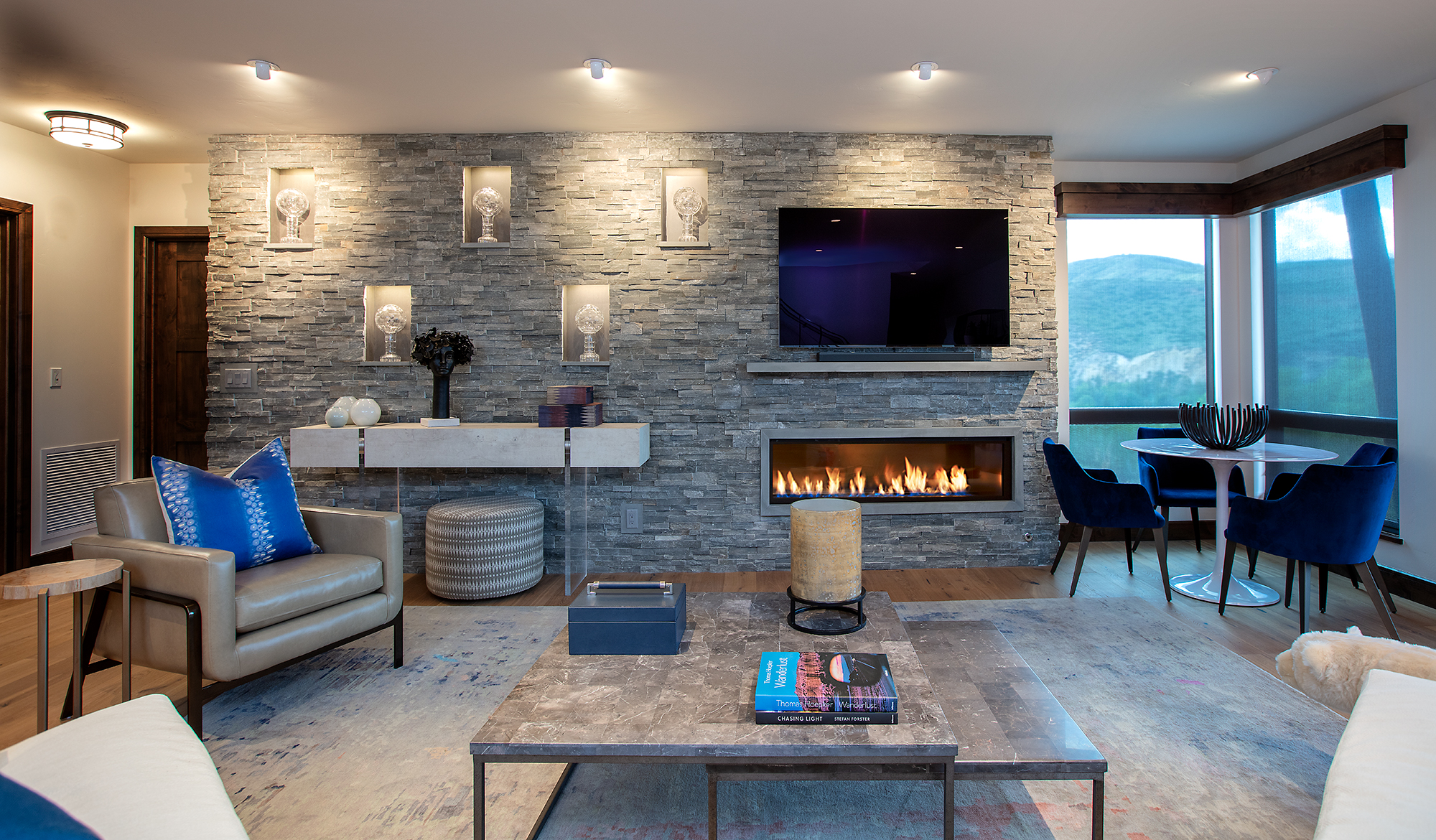
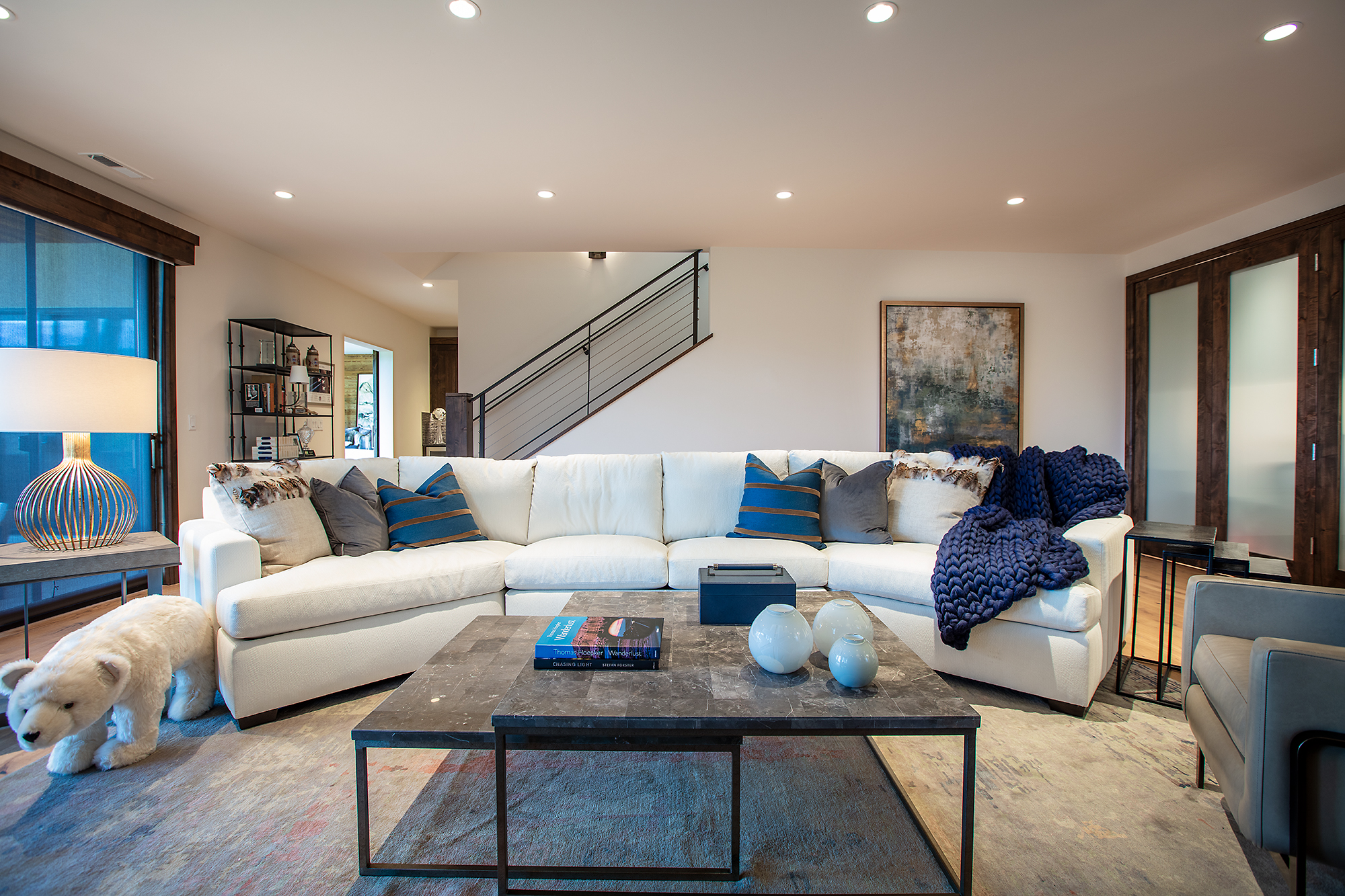
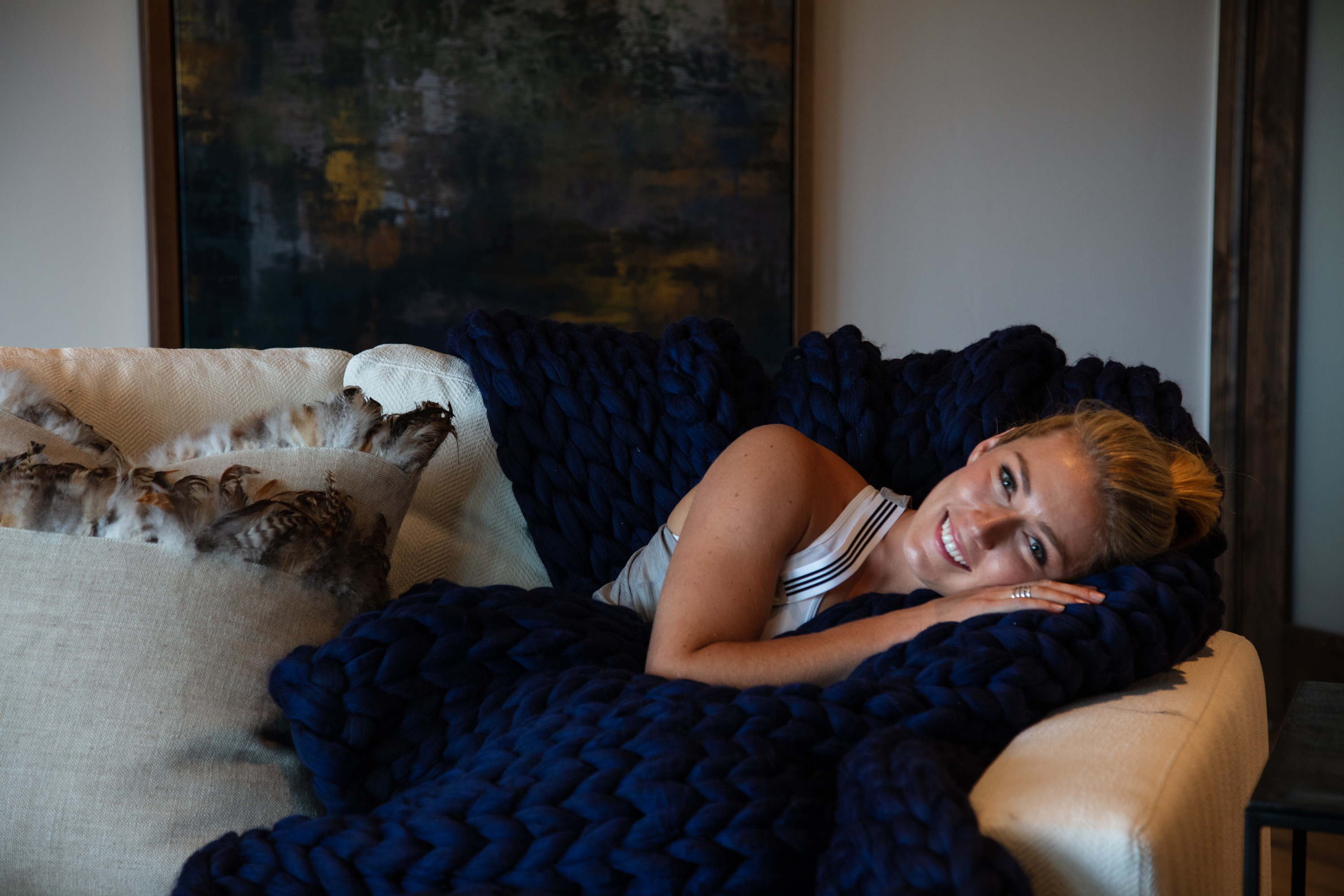
Two-time Olympic gold medalist (and one-time silver medalist) Mikaela Shiffrin (Edwards, Colo.) recently moved into her "sanctuary" new home in the Rocky Mountains and NBC's Natalie Morales was there for an exclusive tour of the home, including her spread of FIS Ski World Cup globes, World Championship medals and beyond. 

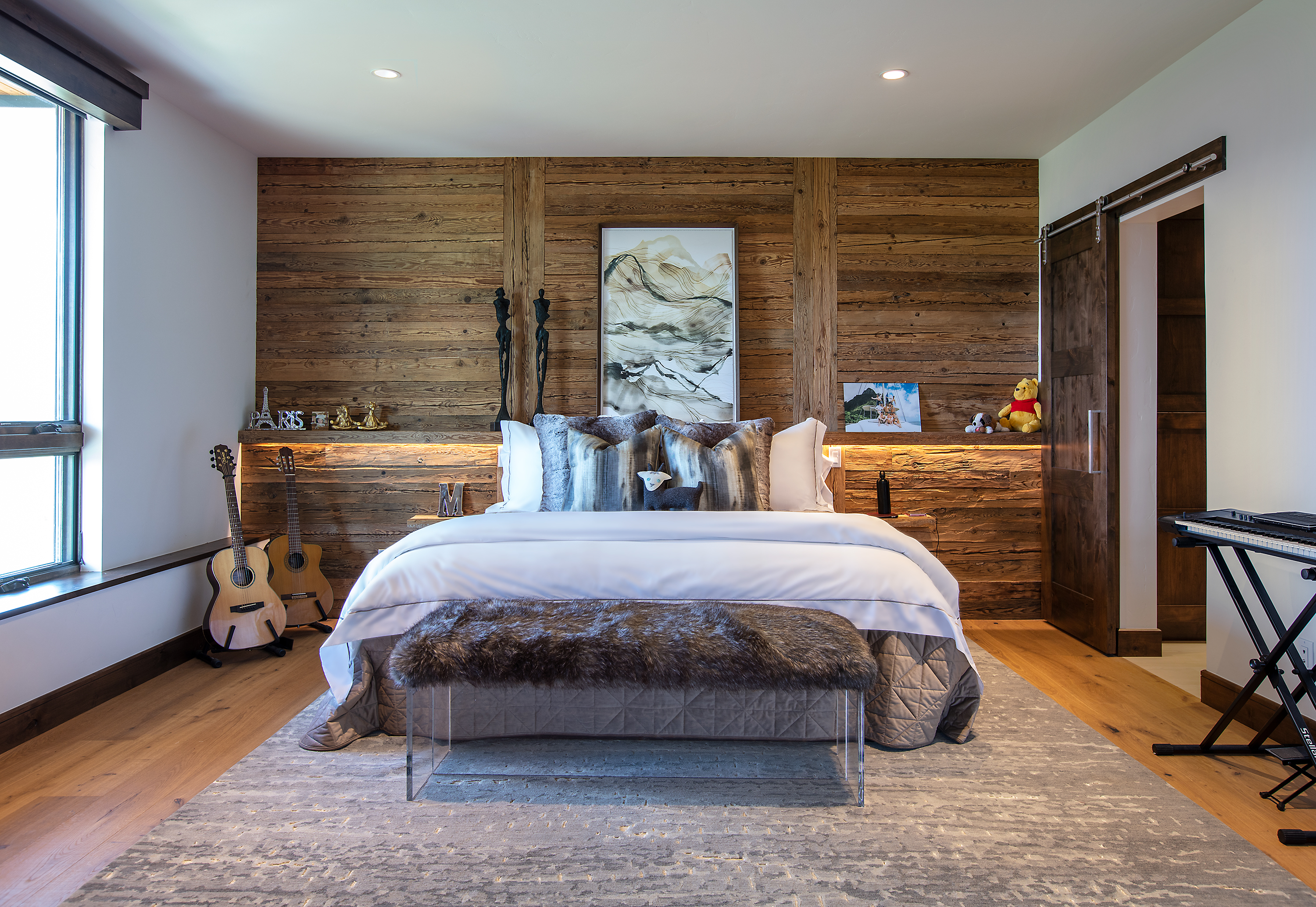
In a new NBC series called "At Home with Natalie," Morales aims to share the homes of celebrities, their favorite nooks, and what makes them so special. NBC launched the series with Shiffrin's episode, which highlighted the fact that Shiffrin worked with local designers from afar (while she was competing in Europe!) to make the look come to life. One such company she worked with was local wood company Arrigoni Woods, who sources 100+ year old reclaimed wood from Switzerland and Austria - places that are near and dear to Shiffrin's soul, seeing as though she spends much of her time in Europe. 

The Olympic medalist worked with the gurus at Home Outfitters to design her home, but she had a good idea of what she wanted from the get-go.

"I pulled pieces from almost every place that I've been to," she said. "That's one of the coolest things about traveling is I can see things that I love and styles and feelings that I get and kind of pull it in here."

One such feature? A wall full of 100-year-old reclaimed wood from Austria, a familiar place for the traveling skier.

Over the years, Shiffrin explained, she's been influenced by certain European design styles, and gravitates towards a Zen feel that mixes the old and the new. One of her favorite areas of the house is a spacious, open bedroom she calls her "lair."

But Shiffrin doesn't live in the house by herself. Since she spends so much time on the road, the skiing champ was keen on having her parents live with her.

"When I am home it is important for me to be able to be around family," she said. "I'm lucky that they were willing to (move) again with me because I don't think I would have been able to move here and live here alone and kind of live in my dream house as my first house if they weren't willing to do that."

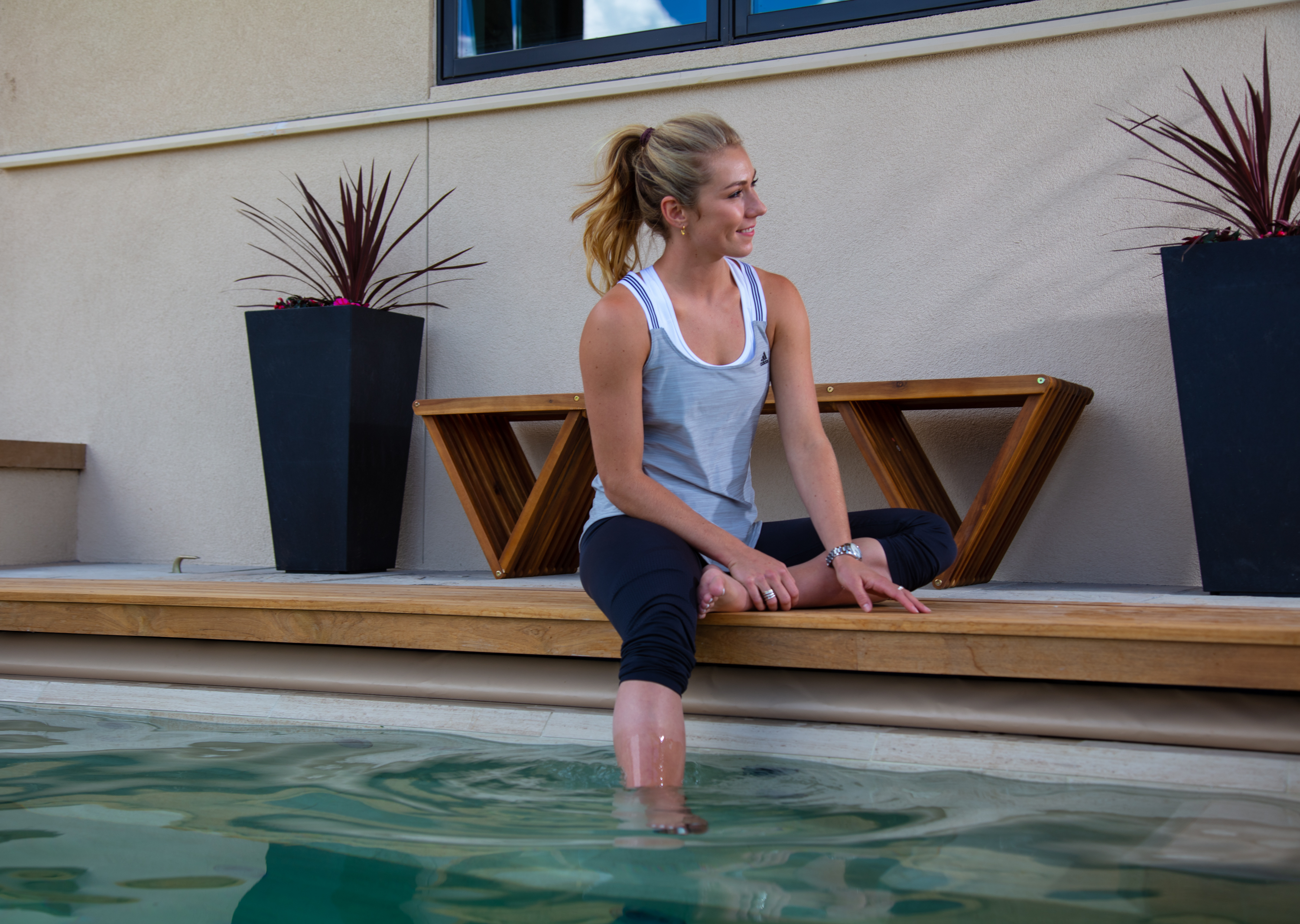
In order to get the point across to the crew of incredible builders and designers from afar while she was traveling - and breaking records on the World Cup tour all season - she would paint or draw pictures of her vision, which the builders and designers would interpret guided by Shiffrin's parents - Eileen and Jeff Shiffrin - to see it to fruition. The house includes everything from state-of-the-art eco-friendly components to a therapy pool in the background. 

"It's so incredible to have been able to work with so many local businesses and designers to make my dream home come to life," Shiffrin commented. "After such a long and busy season, it was such a treat and so special to come home to this new space. I remember those first couple of nights of sleep - it was the deepest sleep I had in so long. This new home feels like a sanctuary to me. It's special." 

Watch the full segment on Today.com

Ted Ligety Scales Back Race Schedule to Focus on GS

By U.S. Ski & Snowboard
July, 16 2019
Ted Ligety Scales Back Race Schedule
Two-time Olympic champion Ted Ligety has announced that he will only be racing in giant slalom World Cup events this season. (U.S. Ski & Snowboard)

Double Olympic champion Ted Ligety (Park City, Utah) has announced that he will be scaling back his race schedule for the 2019-20 season. 

Ligety, who will turn 35 this summer, has struggled with various back and knee injuries since his last FIS Ski World Cup victory in 2015. He announced in a recent interview with KPCW radio that he will only be racing in giant slalom World Cup events this season, which kicks off Oct. 27 in Soelden, Austria. 

“So it’ll be a little bit easier schedule on my body,” Ligety said. “I’ll be able to be home a little bit more as well, and then we see. I mean, I would like to keep going as long as I feel like I can win races and feel healthy. That’s really the biggest part, and nowadays I have a 2-year-old son, and there’s more factors than there was when I was 25 years old.”

Ligety, nicknamed “Mr. GS” for his giant slalom prowess, has a 2014 Olympic gold medal and three world titles in that event. He also has an Olympic alpine combined gold medal from 2006, and world titles in the super-G and alpine combined from 2013. 

“There’s a lot of hard miles on my body up to this point, but I’m still enjoying it,” said Ligety, whose 321 World Cup starts are the most among active Olympic medalists now that Lindsey Vonn (Vail, Colo.) and Aksel Lund Svindal have retired. “Right now, I feel really healthy and trying to get to a point where I feel I can win races. That’s the goal right now.”

Check out the full article on olympics.nbcsports.com. 

Women's Alpine Development Hits Snow with All-Female Staff

By Megan Harrod
July, 16 2019
Women's Development Camp Staff
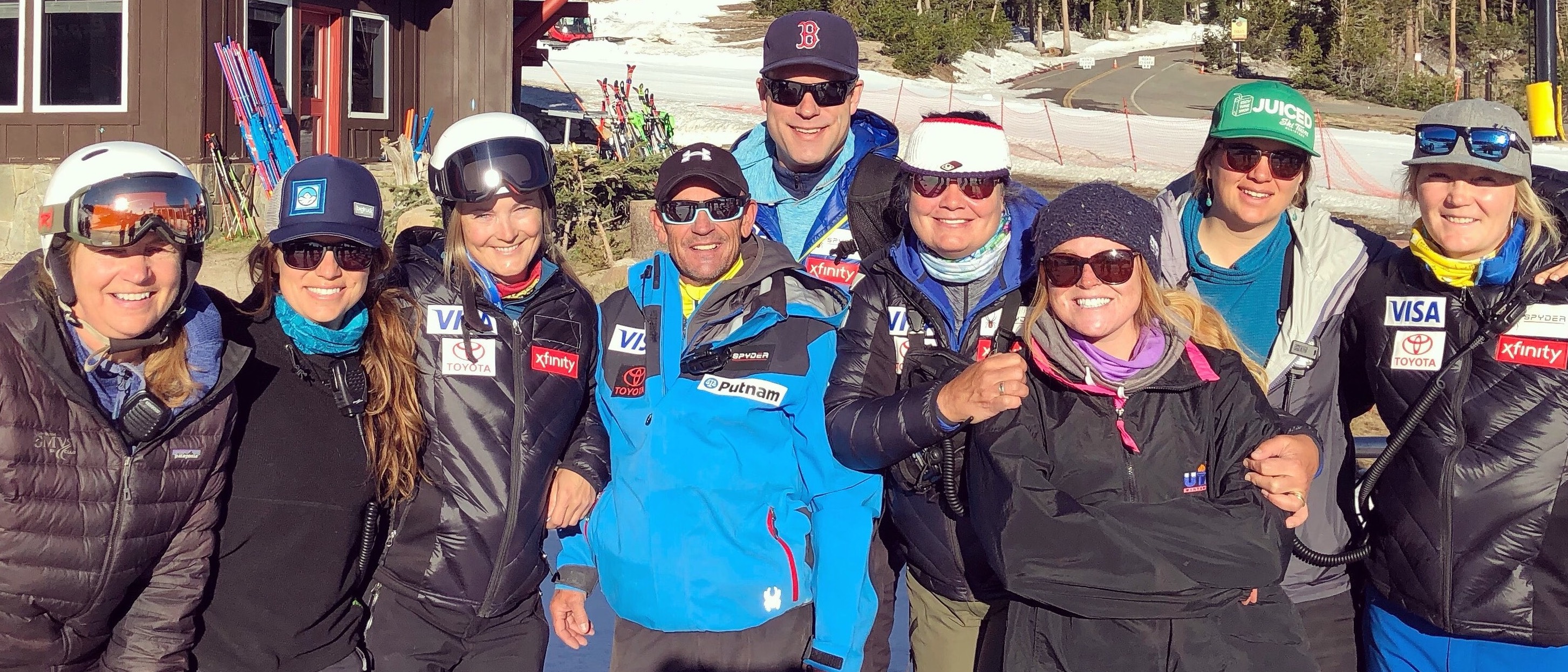
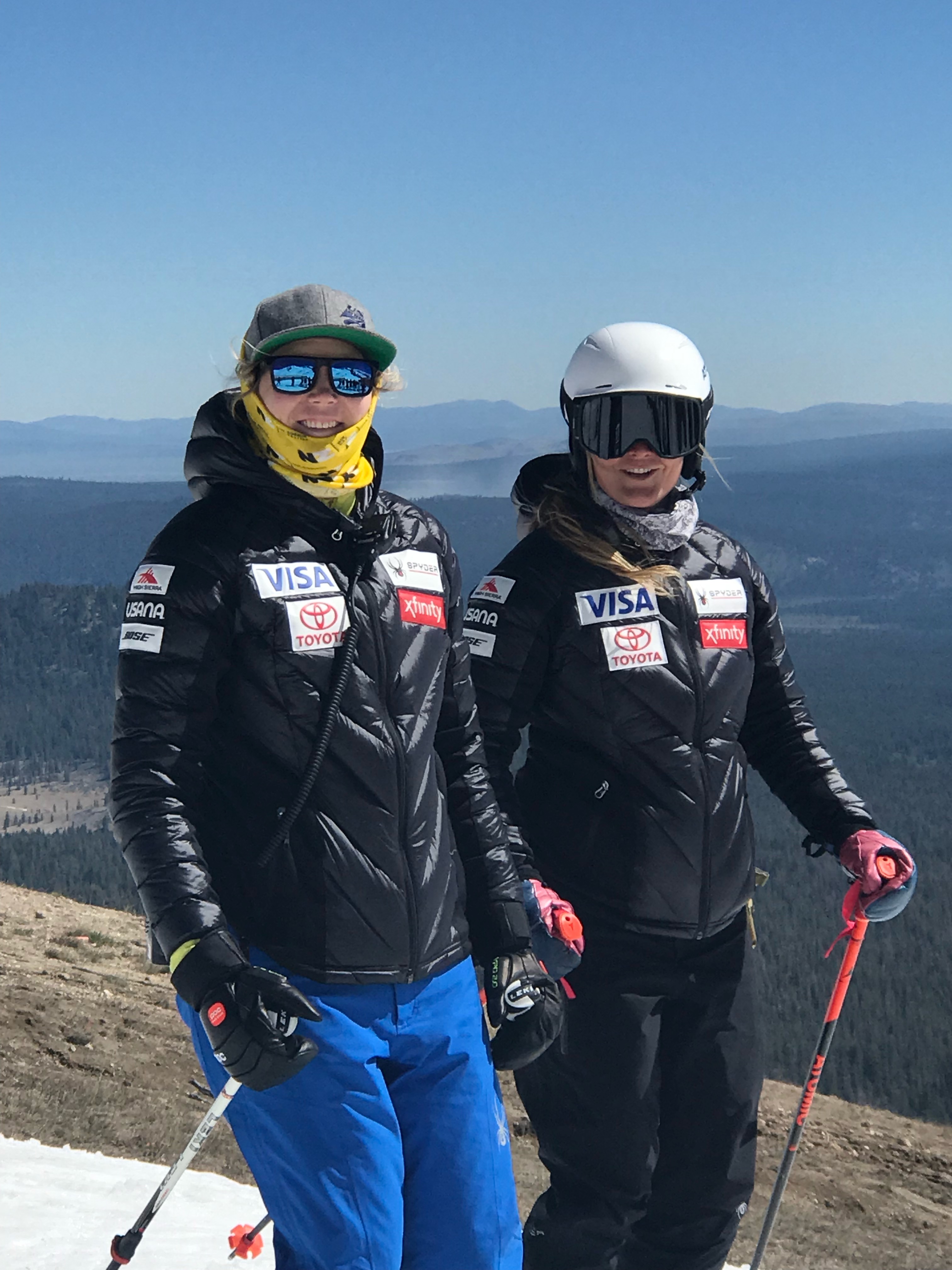
A portion of the all-female coaching staff for the Mammoth women's alpine development camp poses for a picture, including Head Women's Development Coach Marjan Cernigoj and Alpine Development Director Chip Knight (middle) and newly-hired women's C Team coach Katie Twible (far right).

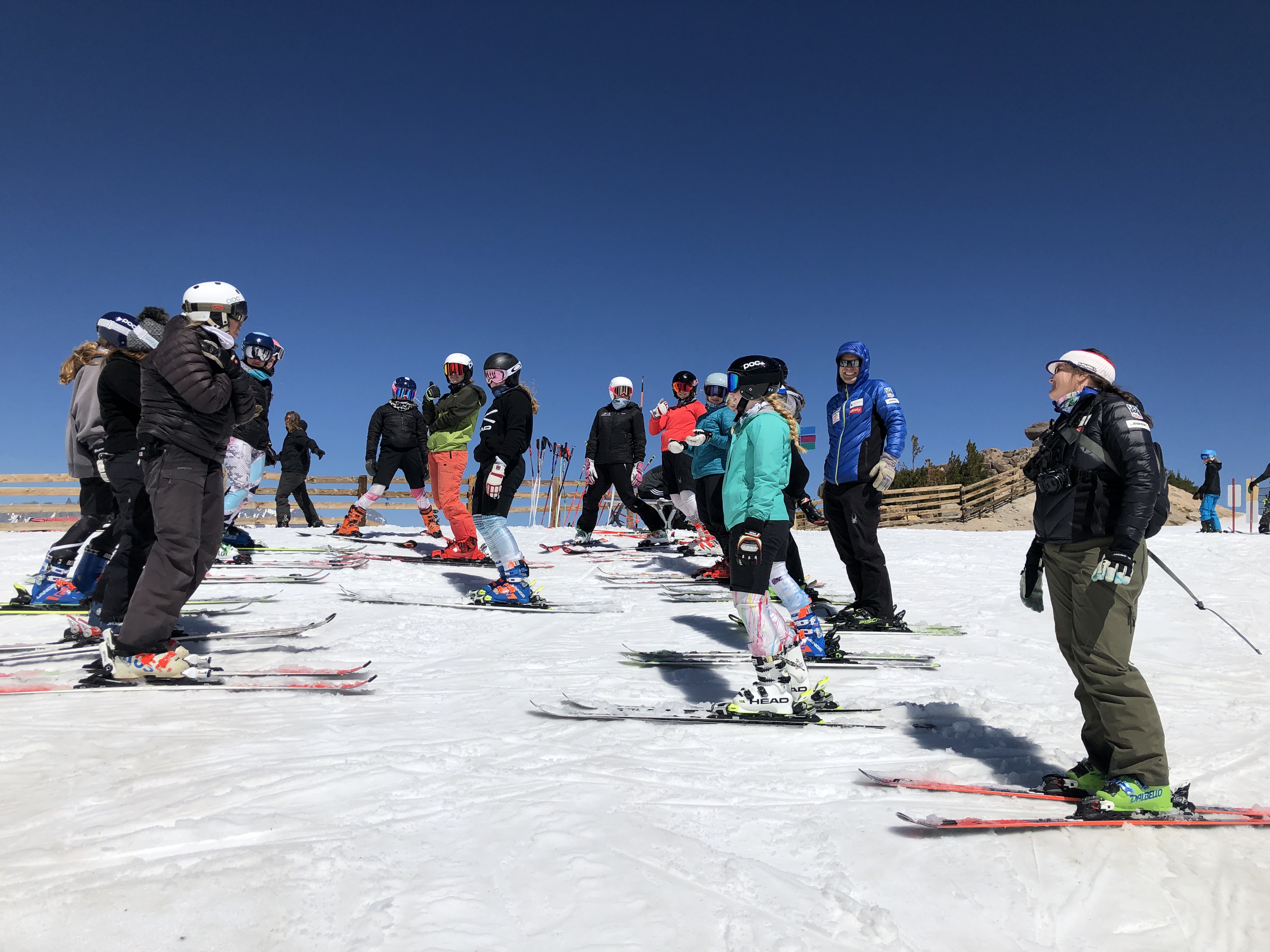
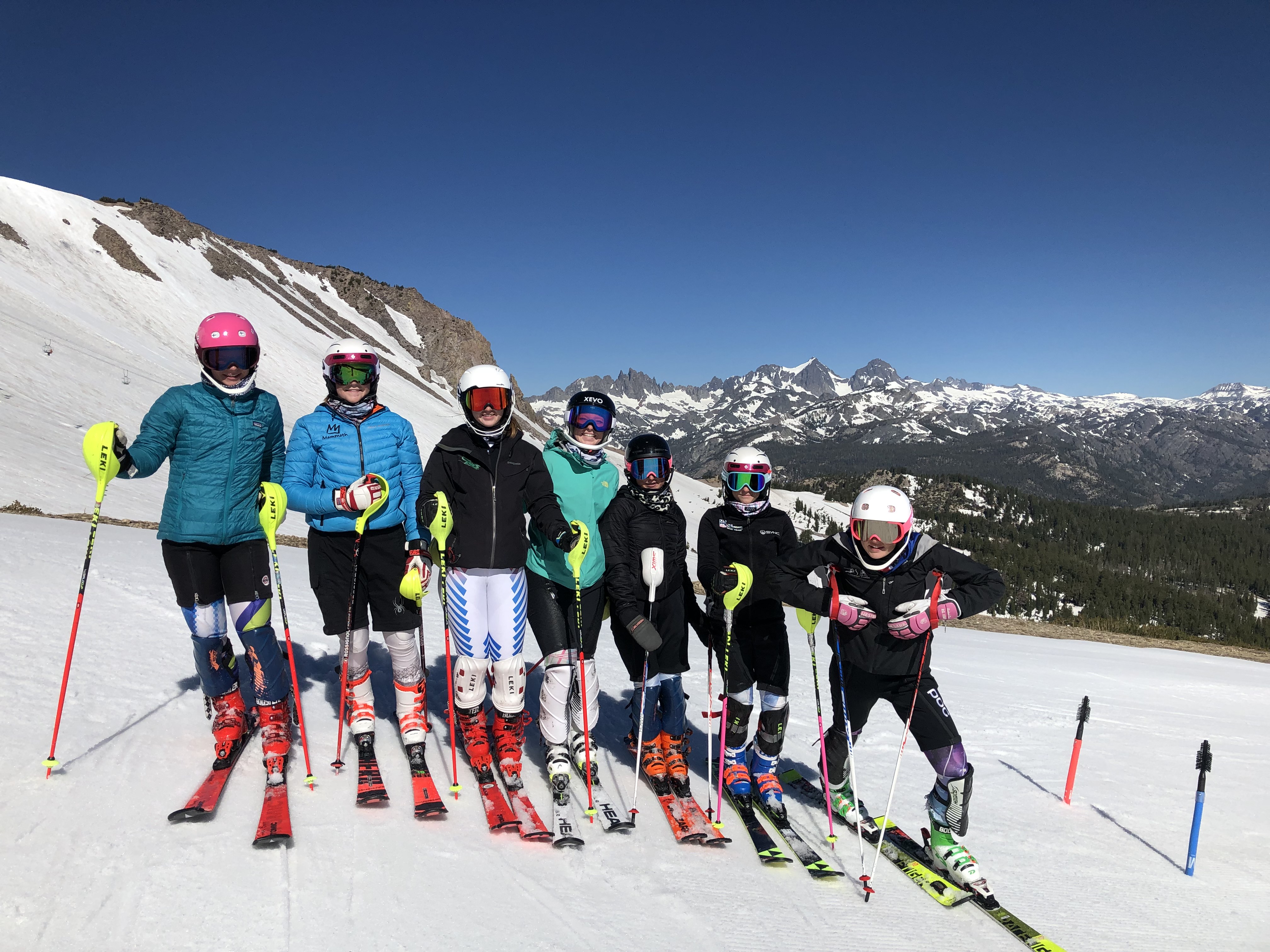
The second women’s development camp of the 2019-20 prep period at U.S. Ski & Snowboard official training site Mammoth Ski Area in California wrapped on June 28, led by head women’s development coach Marjan Cernigoj and highlighted by an all-female coaching staff from across the nation. 

Cernigoj, who has been with U.S. Ski & Snowboard in the alpine development role for just over one year now, said the first camp was in late April, early May and Mammoth served up excellent training conditions and hospitality for both camps. 

“Everything was amazing,” reflected Cernigoj. “We got lucky with the weather - ninety percent of the success of the camp came from our luck with the weather, with the ability to have daily situations for good training. Mammoth gave us pretty much everything we asked for on the hill - space, very accommodating. Both camps at Mammoth were incredible. We’ll return here. We had great service.” 
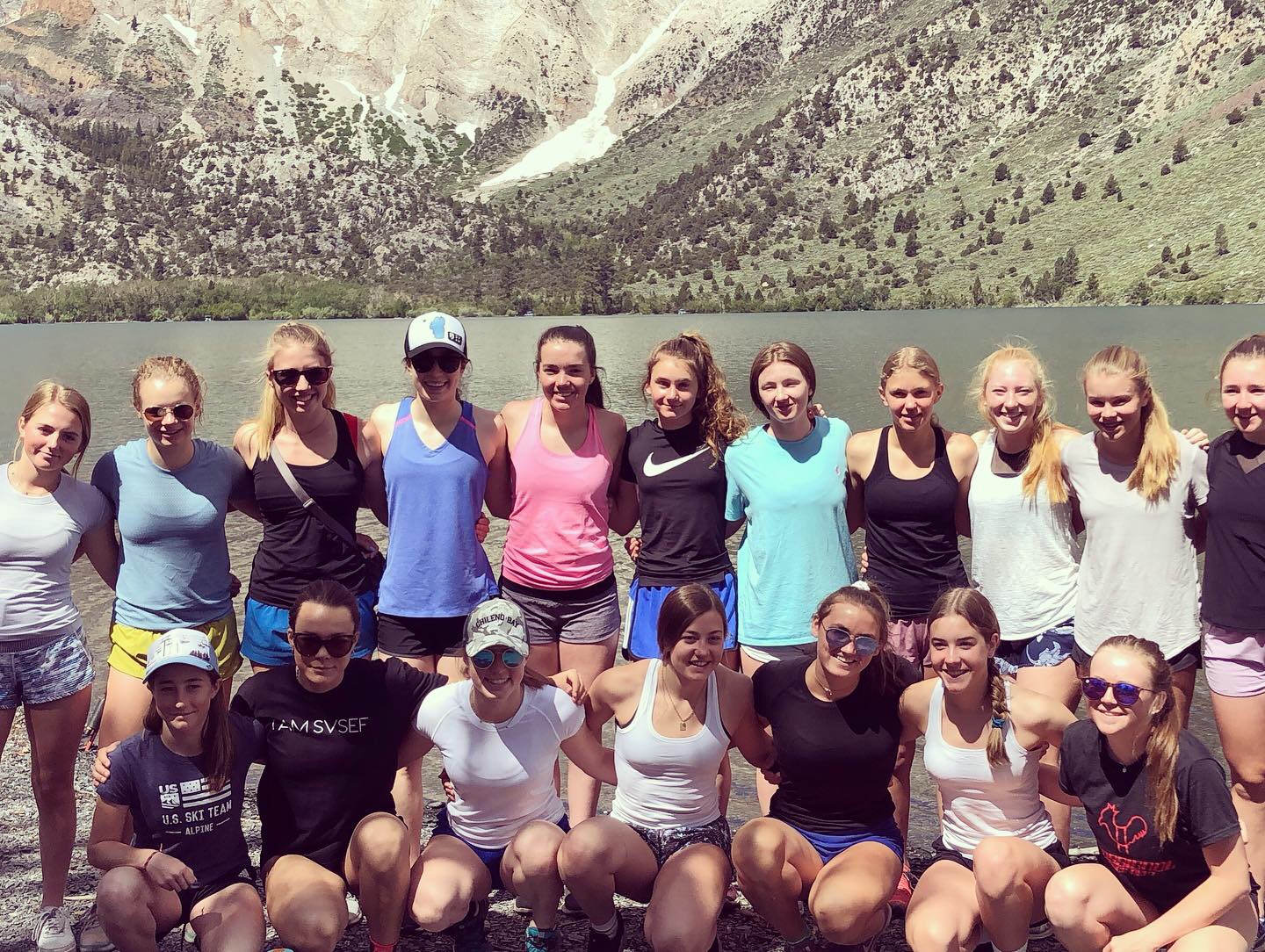
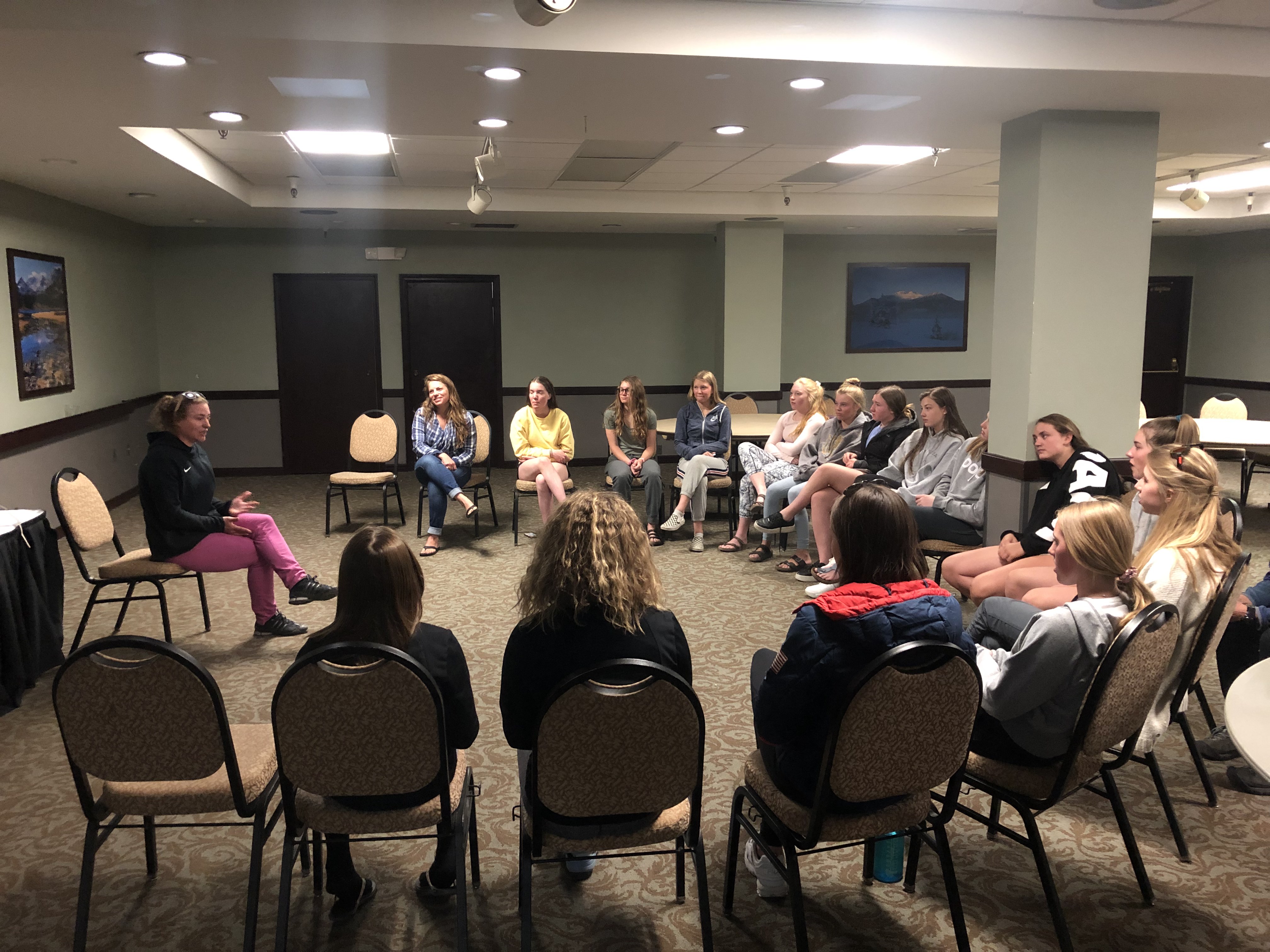
This second camp was slightly different in nature, as Cernigoj and Alpine Development Director Chip Knight invited U16 girls from across the nation, for a total of 21 athletes, eight women staff members and Cernigoj as the leader of the camp. “We had eight days on snow, four days of giant slalom and four days of slalom each,” Cernigoj said. “It was quite a big span of skills and ages, from 2005 birth years all the way to C Team member Abi Jewett (Ripton, Vt.), who joined us for the beginning of the camp.” 

But that’s not all that was different about the second women’s development camp - what was most unique about the camp was that, apart from Cernigoj, the entire coaching staff was composed of women. One of the few female coaches on the FIS Ski World Cup circuit, women’s speed coach Karin Harjo made history when she became the first woman in World Cup history to set a slalom course. This year Katie Twible joins Harjo on the U.S. Alpine Ski Team coaching staff as an assistant coach for the women’s C Team. However, at the U16 level, Cernigoj realized there are many female coaches, and saw an opportunity to create something special for the June Mammoth camp. The results? “It was awesome,” beamed Cernigoj. “It worked so much better than even what I had envisioned or anticipated from the beginning.”

The concept all began at Athletic Summit while in Park City, Utah this spring, noted Cernigoj.  “We were planning this second camp of the season together with the U16s, which is the age group I’m not really used to coaching,” admitted Cernigoj. “When I was looking through the coaching staff who could help me out, I noticed that a lot of female coaches are coaching at the U16 level. So, that was kind of the first hint that I had to create this project. Then, at U.S. Ski & Snowboard Congress, there was a lot of talk about female empowerment in coaching and in sports and in general, so that made me realize this is what I needed to be doing to show these younger athletes that there are females on all levels of sports preparation. If you look through the eight female coaches that were here, they come from all sorts of backgrounds.” 

Mammoth Women’s Development Camp Coaching Staff:
Marjan Cernigoj – U.S. Alpine Ski Team, Head Women’s Development Coach
Katie Twible – U.S. Alpine Ski Team, Women’s C Team Assistant Coach
Brandy Barna – Ski & Snowboard Club Vail, ATC
Mary Joyce – Rowmark Ski Academy Coach
Katharina Golik – Mammoth Ski & Snowboard Team, Conditioning Coach
Kathy Okoniewski – Eastern Region Youth Development Coach
Lisa Perricone – Ski & Snowboard Club Vail Coach
Kristina Revello – Rocky/Central Region Development Coach
Lisa Segal – Park City, PSIA Examiner/Specialist 

Cernigoj said that this well-rounded staff, with expertise from the entire spectrum of coaching, gave the athletes a chance to see that opportunity exists at all levels - for both men and women. He added that having Twible join the crew for what was her first on-snow camp, was exceptional. “It was so awesome to have Katie on snow with us,” Cernigoj said. “She’s extremely knowledgeable. She helped on the snow, she helped the girls a lot with her knowledge of setting up the boots, so that’s definitely where her expertise came into this camp.”

Formerly a U16 coach at Craigleith Ski Club, and an elite ski racer herself, competing for the University of Colorado, Twible had never been a part of an all-female coaching group, but was blown away by how amazing the camp was. “Growing up I never really had female coaches myself...so it was really cool to be a part of that and be a part of a group of women who were all so different, with such different backgrounds,” Twible commented. “To be there and help build the next generation of U.S. Ski Team athletes was really rewarding.”

Newly-hired rocky/Central Region Development Coach Kristina Revello echoed Twible’s sentiments, “It was an incredible project; I look forward to creating more environments like this one in the future. The athletes made gains on snow and felt support from our staff in ways I think many of them never have before. It was a refreshing way for the staff to work with such a great group of young women!”

The camp was not only empowering for the athletes, but it was empowering for the staff, too. “The staff was exceptional, super positive, and worked really hard.” Twible continued. “Working together was so gratifying; everyone was really committed. These girls had questions and the coaching staff handled it super well. It was an open environment with no holding back. I think the girls learned so much from it. On and off the hill, we promoted that message of strength.”

The purpose for Twible’s involvement with the development camp was twofold: first, it was an opportunity to get her feet wet and get on snow for her first U.S. Ski & Snowboard camp, but second - and perhaps most important - Cernigoj’s goal was to bridge the gap between World Cup, Europa Cup and NorAm levels. The first step in doing so was involving Twible so she and Marjan could get to know each other, get their communications down and speak the same language - as they’ll be working closely together this winter. Since the alpine development program is project-based and Cernigoj and his men’s counterpart Sasha Rearick are often solo, integrating new coaching staff in with each project, Twible said it’s important for her to show more support and open communication with Cernigoj down to the D-Team level. 

Twible is beyond excited for the opportunity to work with the Team and feels she can learn a lot from fellow Europa Cup/NorAm coaches Magnus Andersson and Kris Shampeny in more of a support role. “Since I started coaching, I have only been a head coach and have only run teams, so I was excited to take this role because I think it’s actually a lot harder to be an assistant than a head coach,” she said. “I wanted to work with Magnus and Kris and get more experience, and I really wanted to work with this group of girls who have excelled, and help bring them a different dynamic. A lot of them haven’t had a female coach. In my role, I feel like it’s so much more than coach - it’s also sports psych, trainer, etc. I really like the strength and conditioning aspect, and I like a holistic approach. I told Magnus I can help with that and am super-invested in. I felt like I could really help fill in the gaps.”

Cernigoj feels positive about the progression the women’s alpine development program has made during the last 12 months, and believes that U.S. Ski & Snowboard is getting a bigger pool of athletes at a higher skill level from across the nation. Now one year in, he’s had the chance to meet almost every athlete from the 2005 birth year and up. 

“I thought we had quite a good first season last year with moving Keely Cashman (Strawberry, Calif.) up to B Team, and some other athletes skiing very strong,” reflected Cernigoj. “This year again I have five girls on the D-Team and then everything else is invitation-based. The experiences have been great, and the coaches that come to join us during these projects see that we are tackling a really, really big issue - all the way from the athletes just joining us at the FIS level with no points all the way up to the ladies that we have to help connect to our C Team. I believe this team has the biggest span of skills than any other team, so it’s challenging. The young athletes have many issues, from growth to conditioning to ski levels to growing up. It’s challenging.” A challenge that Cernigoj is tackling with passion and creativity. 

What’s next for the women’s development crew? Next up: Ushuaia, Argentina, where four D-Team athletes and four invitees will travel July 23rd for a three-week slalom, giant slalom and super-G camp.


Lindsey Vonn: The Final Season Coming to HBO This Fall

By U.S. Ski & Snowboard
July, 15 2019
Lindsey Vonn on HBO Exclusive
Lindsey Vonn: The Final Season will debut on Tuesday, Nov. 26. (Getty Images - Christophe Pallot)

HBO announced Monday that Lindsey Vonn's (Vail, Colo.) documentary, entitled "Lindsey Vonn: The Final Season" will debut on Tuesday, Nov. 26 exclusively on HBO. The announcement was made by Peter Nelson, executive vice president, HBO Sports. 

Known as the most decorated female alpine skier of all time, Vonn intimately recounts her final season in this feature-length documentary, with a look back at her transcendent career, from child prodigy with humble beginnings at Buck Hill, Minn. to the Olympic champion and winningest female alpine ski racer. 

Lindsey Vonn: The Final Season traces Vonn’s exhilarating story from her childhood in Minnesota, all the way to the World Championships in Are, Sweden this past February, for what proved to be the epilogue of her fabled career, as she earned bronze in her final event. Teton Gravity Research, widely recognized as one of the premier documentary production companies in the outdoor action, adventure, and exploration space, had a camera crew embedded with Vonn throughout the winter months, capturing the final, intimate moments of her skiing journey.

“Lindsey Vonn is a global icon of transformative force,” said Peter Nelson. “No skier, woman or man, has ever exerted her influence in sport and culture — ever transcended to her stature. There are a lot of athlete documentaries today, but this film, at once heartbreaking and inspiring, takes us places unseen with an elite athlete like Lindsey, revealing the sacrifice demanded of a champion confronting her human limits to end an unparalleled career.”

Lindsey Vonn says, “I am thrilled to partner with HBO to give viewers an inside look into my career and to share my story with the world.”

The film will debut Tuesday, Nov. 26 10-11:30pm ET, exclusively on HBO and will also be available on HBO on Demand, HBO NOW, HBO GO and partners’ streaming platforms.

Read the full article on medium.com.

Shiffrin Doesn’t Skip Leg Day in LA

By Megan Harrod
July, 14 2019
Mikaela Shiffrin LA
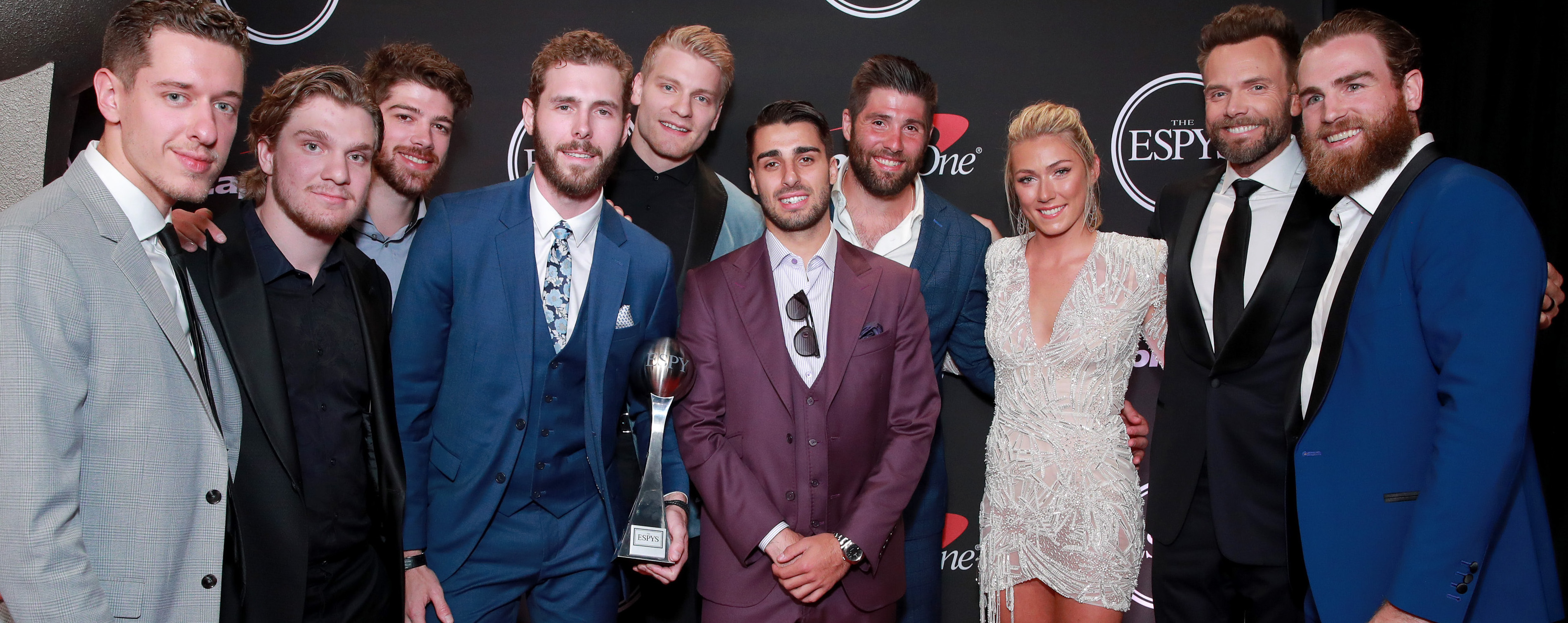
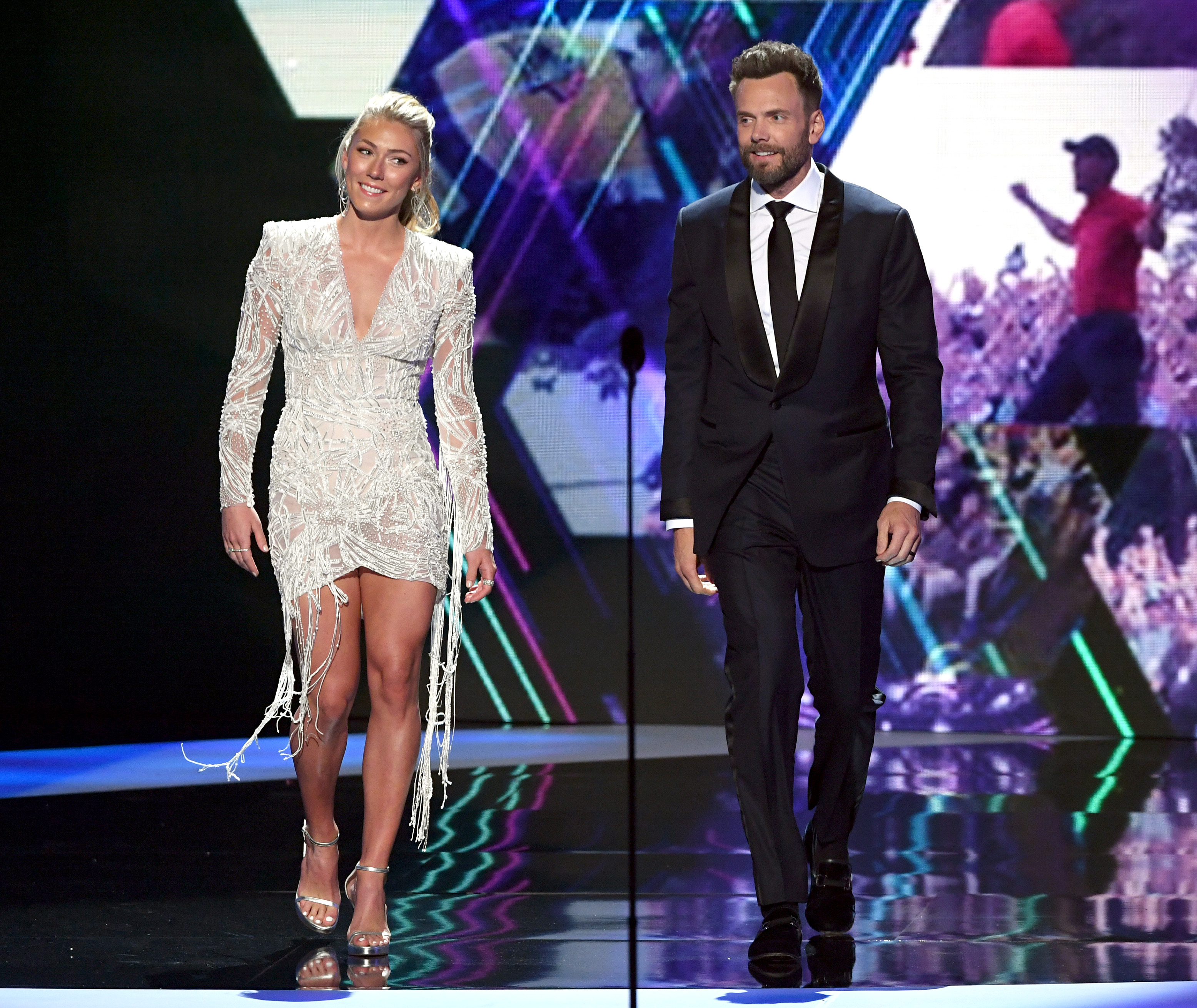
Mikaela Shiffrin and Joel McHale presented the ESPY for Best Comeback to the St. Louis Blues. (Getty Images - Rich Fury)

After a productive and fun week in Los Angeles, Calif., Mikaela Shiffrin (Edwards, Colo.) has returned home to Colorado to finish her final strength and conditioning block before heading to the Southern Hemisphere - first Argentina, then Chile - to return to on-snow training. In case you were curious, busy schedule or not, she would never miss a leg day while in LA. 

Juggling a strenuous on and off snow schedule, Shiffrin - who was up for the Best Female Athlete ESPY Award in a stacked category that included soccer star Alex Morgan, gymnast Simon Biles and basketball player Breanne Stewart - has little time to devote to red carpet events. However, after being nominated in 2014 and 2018 in two categories each year - Best Female Athlete and Best Female U.S. Olympian, and again in 2019 for Best Female Athlete, Shiffrin has found the sweet spot in balancing a busy schedule featuring double sessions in the gym, sponsor obligations, media interviews and cover shoots, and more. Hearing all of that might make you tired - and it should, considering Shiffrin’s schedule is planned down to the minute. As an athlete first and foremost, it even includes precious time for refueling with snacks, rest and recovery. 

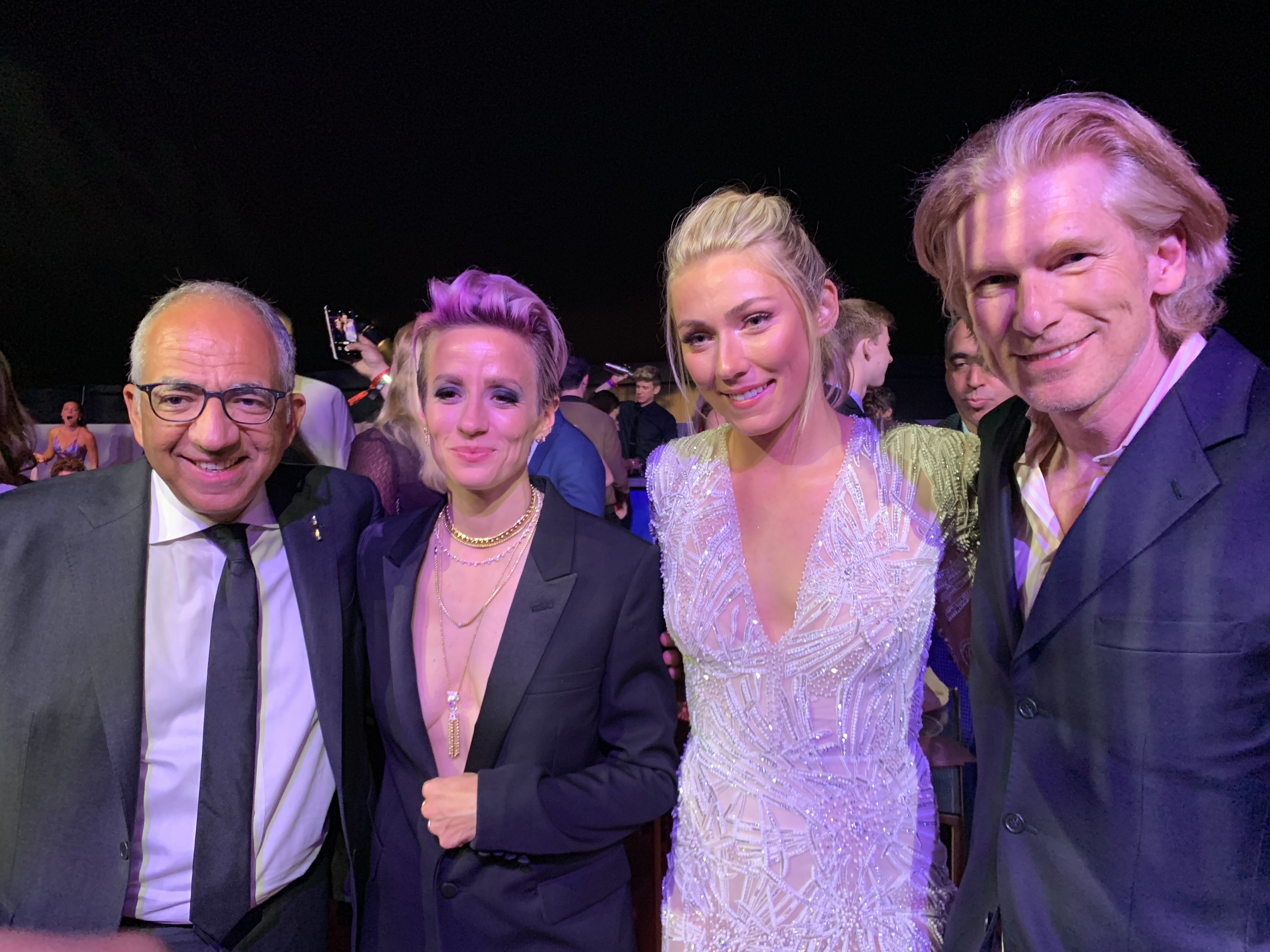
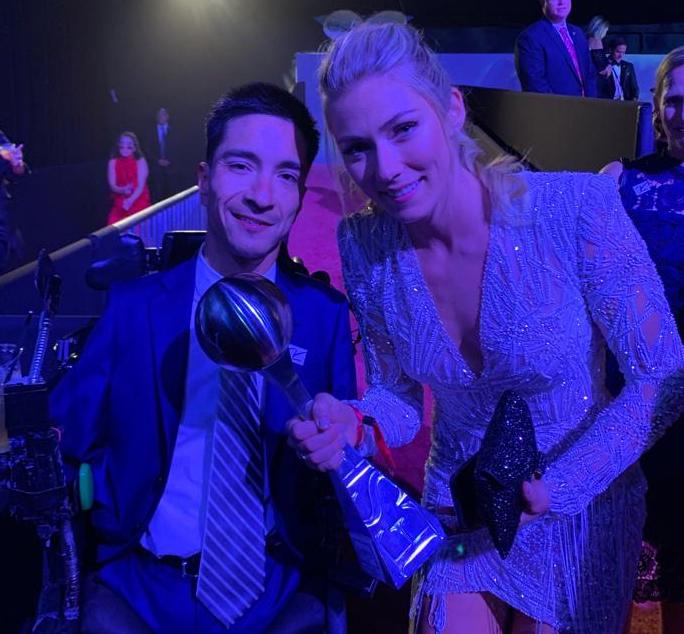
The week is not all fun and games, but it is both fun and extremely productive. On the outside, it may appear that it’s all rubbing shoulders with the brightest stars in sport and Hollywood both - sitting in between NFL stars Odell Beckham Jr. (aka “OBJ”) and Patrick Mahomes, presenting on stage with comedian/actor Joel McHale and first round NBA draft pick Zion Williamson, dancing with musician Ciara at the afterparty and hanging with the newly-minted world champion U.S. Women’s National Team before heading to LeBron James' Uninterrupted party to meet the king himself - but it’s much more than that. There’s still work to be done. And by “work,” we mean work in the gym, of course. While other attendees may not be in their strength and conditioning season and may be able to take a break for a day or two, Shiffrin knows you can’t take time off if you want to be the best in the world. 

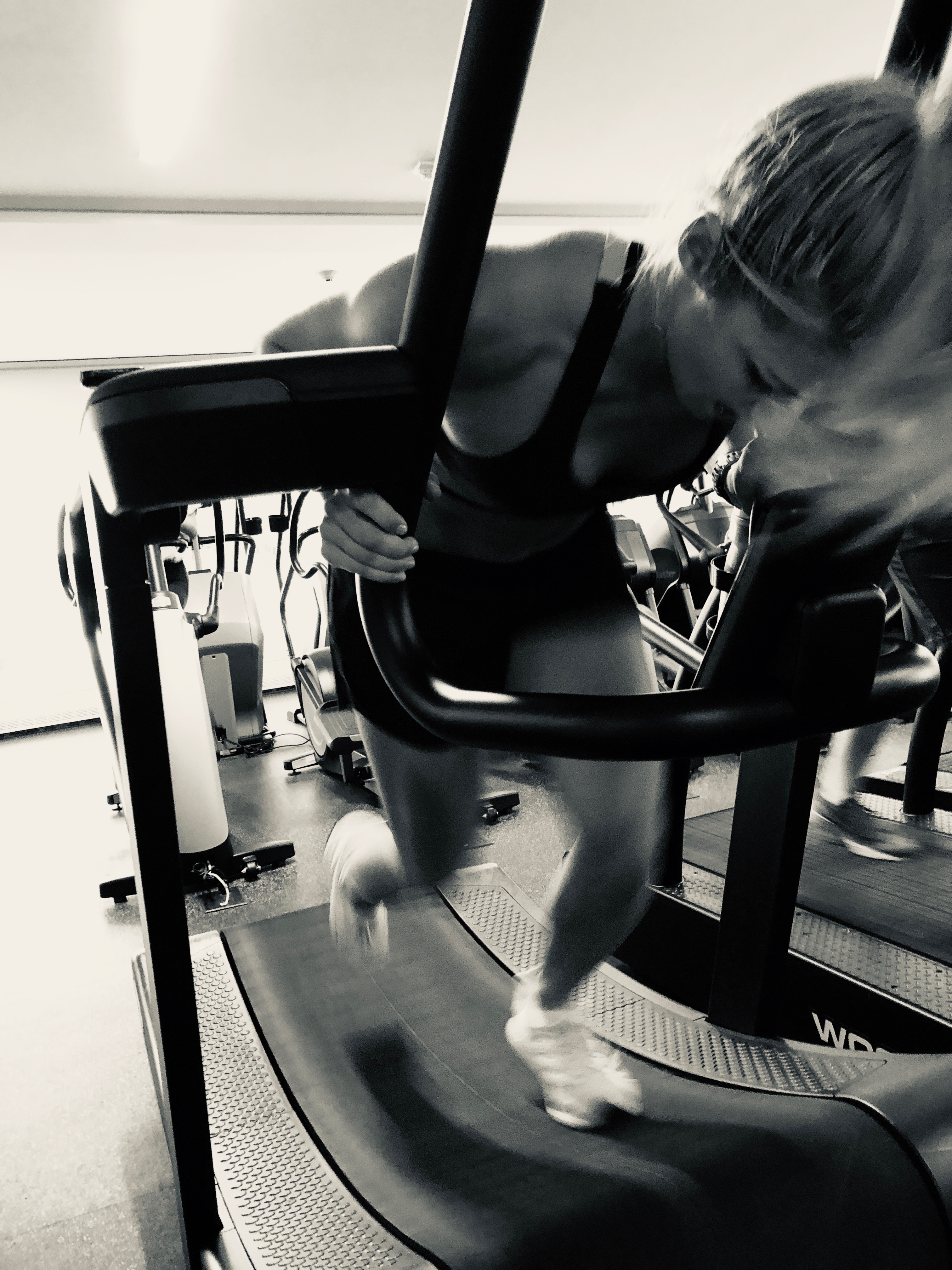
Shiffrin in the gym
Shiffrin trains at Equinox in downtown Los Angeles, the morning of the ESPYS.


What does that mean, exactly? A double session on the day you walk the red carpet with a sponsor shoot in the middle during her smoothie break with U.S. Ski & Snowboard’s digital team, plus time allotted for hair, makeup, the final fitting with the stylist, media on the red carpet, a photo shoot in the green room for the 2019 ESPY Collection (a photo series dedicated to the greatest athletes and sports figures of our time), and preparation for presenting the Best Comeback ESPY to the St. Louis Blues NHL team with McHale onstage. Imagine that schedule for a moment. As Shiffrin's notoriety is building with each spectacular season - there's always more...more requests for her time, more autograph signings, more media, more sponsor obligations, more training on and off snow - every second counts. 

Shiffrin’s week in Los Angeles has evolved quite drastically since her first foray into red carpet-land in 2014 as a wide-eyed 19-year-old. In 2018, Shiffrin worked with a stylist for her red carpet look for the first time, and in 2019 she worked with Jasmine Caccamo, who also happens to style Morgan and fencing star Ibtihaj Muhammad, among others. 

“I remember when I went to the ESPYS the first time, after winning Olympic gold in Sochi (2014), I had no clue what I was doing,” Shiffrin said with a giggle in an exclusive behind-the-scenes piece with Glamour Magazine. “I had just turned 19, and I was wide-eyed and, well, basically the gif/emoji for awkward. I wore a simple black dress and bought a part of YSL strappy heels which I still use to this day, they are AMAZING. I even did my own hair and makeup. I live in Colorado in the mountains (not in a place like LA where it’s more common to work with stylists and get dressed up for big events), and with my race schedule, I don’t get to walk the red carpet often, so I quickly learned to take advantage of those opportunities when they arise.”

Working with a stylist who understands athletic bodies was important for Shiffrin. “Last year was the first year I worked with a stylist, at the ESPYS and Nickelodeon Kids Choice Sport Awards, and it was great. I feel like I’m at the point in my career now where media and sponsor opportunities are increasing more and more, and it is important to find and create my own unique style as I continue to build and refine my brand. Alex Morgan is a good example of an athlete peer who also works with a stylist, and I had been following her look and really liking it. That’s the main reason I was drawn to Jasmine, actually, because she knows how to style an athletic body and she, too, was an athlete.”

More goes into choosing a “look” for an athletic body than one may consider. “As an athlete, I’m very aware of my body type and what works/what does not work. Skiers have powerful quads, and I know that if the dress is too short, it won’t look great, like my quads will overtake the dress. Similarly, I’m also big on accentuating my shoulders in a feminine way. I have always derived a lot of inspiration from style magazines and Instagram...some styles I follow are Rosie Huntington-Whitely, Gigi and Bella Hadid, Taylor Swift, Blake Lively, Karlie Kloss, (and I already mentioned Alex Morgan) etc. I love looks that are feminine and fresh, edgy in a classy way and not over-the-top - nothing forced (at least I hope not!). I make an effort to look natural but add a bit of uniqueness to the look at the same time. So, it was really important for me this year to build on the look I established last year on the red carpet, and - I was really happy with the final look.”

Coming off the best season of her career, breaking a new record almost every time she crossed the finish line - at a mere 24-years-old - Shiffrin was nominated for Best Female athlete for good reason. She had a record-setting 2019 season including 17 FIS Ski World Cup victories, four World Cup titles and three World Championship medals - two golds and one bronze - including becoming the only athlete in the history of ski racing to win four successive World Championship gold medals in a single discipline (slalom). This season, she established herself among the upper echelon of athletes as arguably the most dominant athlete in the world. 

An ESPY Award, short for Excellence in Sports Performance Yearly Award, is presented by ESPN to honor individual and team athletic achievement and other sports-related performance during the previous year. Winners are chosen through voting by fans and sports writers, broadcasters, sports executives and sportspersons. 

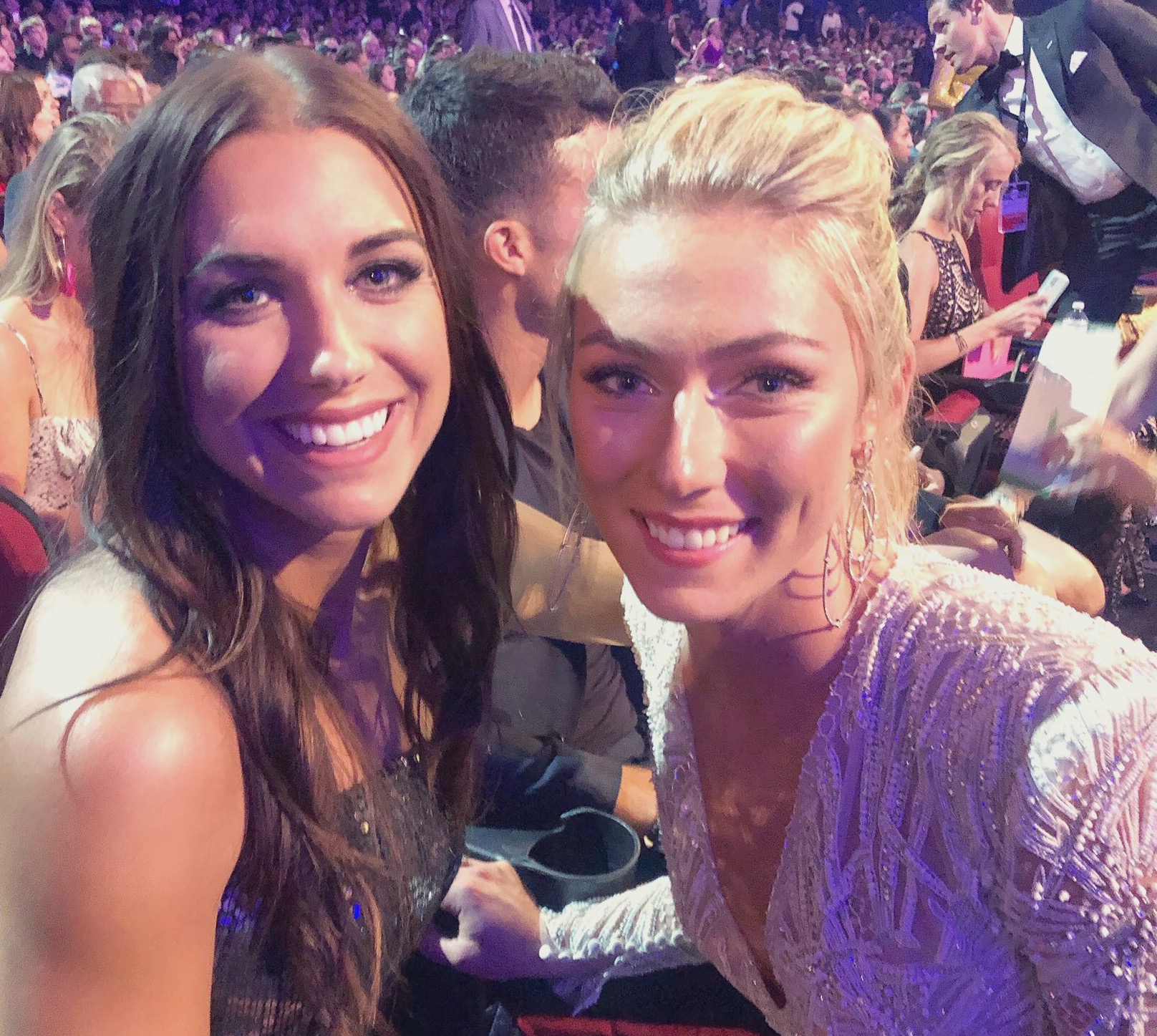
However, the night belonged to Morgan of the U.S. Women’s National Soccer Team, who took home the award. With the ESPYS following close behind the U.S. Women’s National Team World Cup victory, the sports world was still buzzing at the 27th Annual ESPY Awards ceremony. Morgan and the U.S. Women’s National Soccer Team also won the Best Team Award after an unforgettable performance over the course of the last month of World Cup competition.

Critics of the Awards show took to social media, commenting that Shiffrin was “robbed," arguing that she didn’t just have the best performance for a female, but the best for any athlete - male or female. Many fans also said it was highly unlikely that Shiffrin’s 2019 season will ever be topped by another skier. Of course, the ever-humble Shiffrin acted with her usual class and sophistication, congratulating Morgan for the honor, noting the mere importance of the nomination for a skier in a non-Olympic year in the first place. 

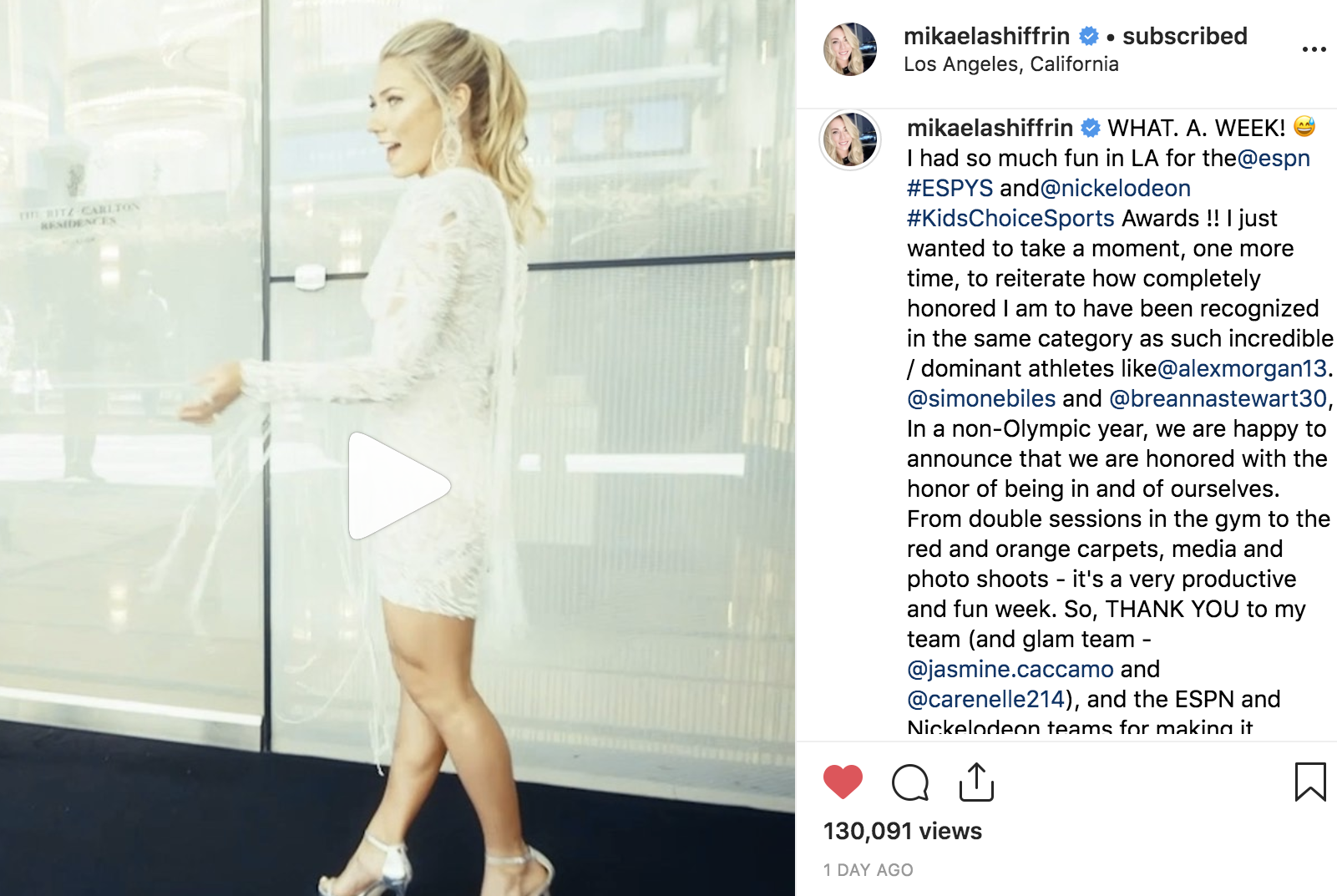
“I wanted to take a moment, one more time, to reiterate how completely honored I am to have been recognized in the same category as such incredible/dominant athletes like Alex Morgan, Simone Biles and Breanna Stewart,” commented Shiffrin. “For the little sport of ski racing (we have some work to do!) to be represented in a non-Olympic year is truly an honor in and of itself. From double sessions in the gym to the red and orange carpets, media and photo/video shoots - it was a very productive and fun week.”

Mikaela Shiffrin LA