Breakpoints

No Retina
Retina
XS Screen (480px)
SM+ Screen
SM Screen (768px)
SM- Screen
MD+ Screen
MD Screen (992px)
MD- Screen
LG+ Screen
LG Screen (1200px)
LG- Screen
XL+ Screen (1600px)
Short Display Name
Alpine

Alpine Official Membership

Alpine Official: AGE 18 and over // PRICE $80

Please review the Alpine Member Benefits here.

Competitive events are the core of U.S. Ski & Snowboard programs with a network of over 4,000 events, all managed by U.S. Ski & Snowboard Officials. Officials are able to achieve various levels of certification through educational programs offered by U.S. Ski & Snowboard.

Shiffrin, Kim Nominated for 2019 ESPYS

By U.S. Ski & Snowboard
June, 19 2019
ESPYS 2018
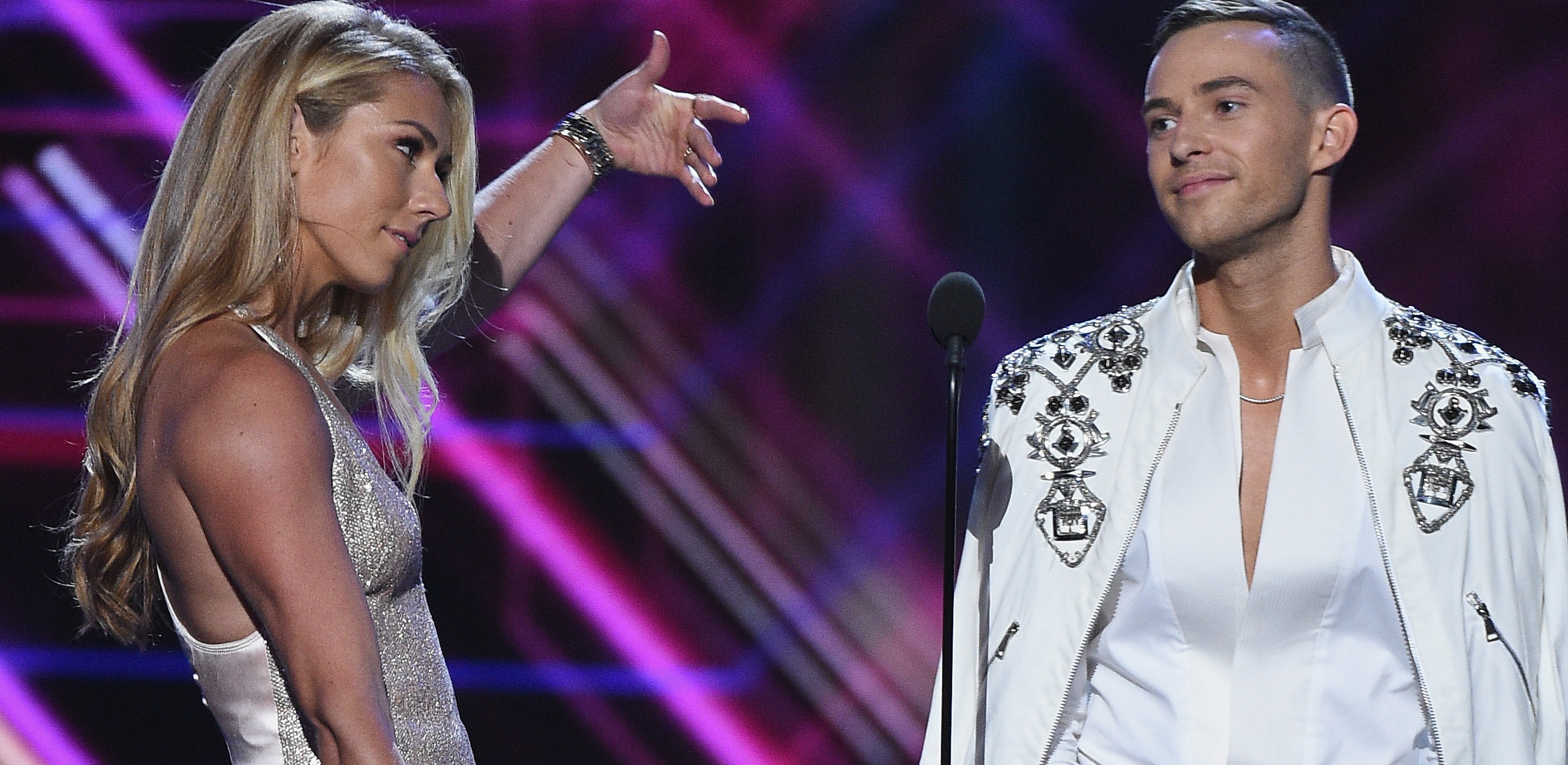
Mikaela Shiffrin and Olympic figure skater Adam Rippon speak onstage at The 2018 ESPYS at Microsoft Theater on July 18, 2018 in Los Angeles, California. (Kevork Djansezian/Getty Images)

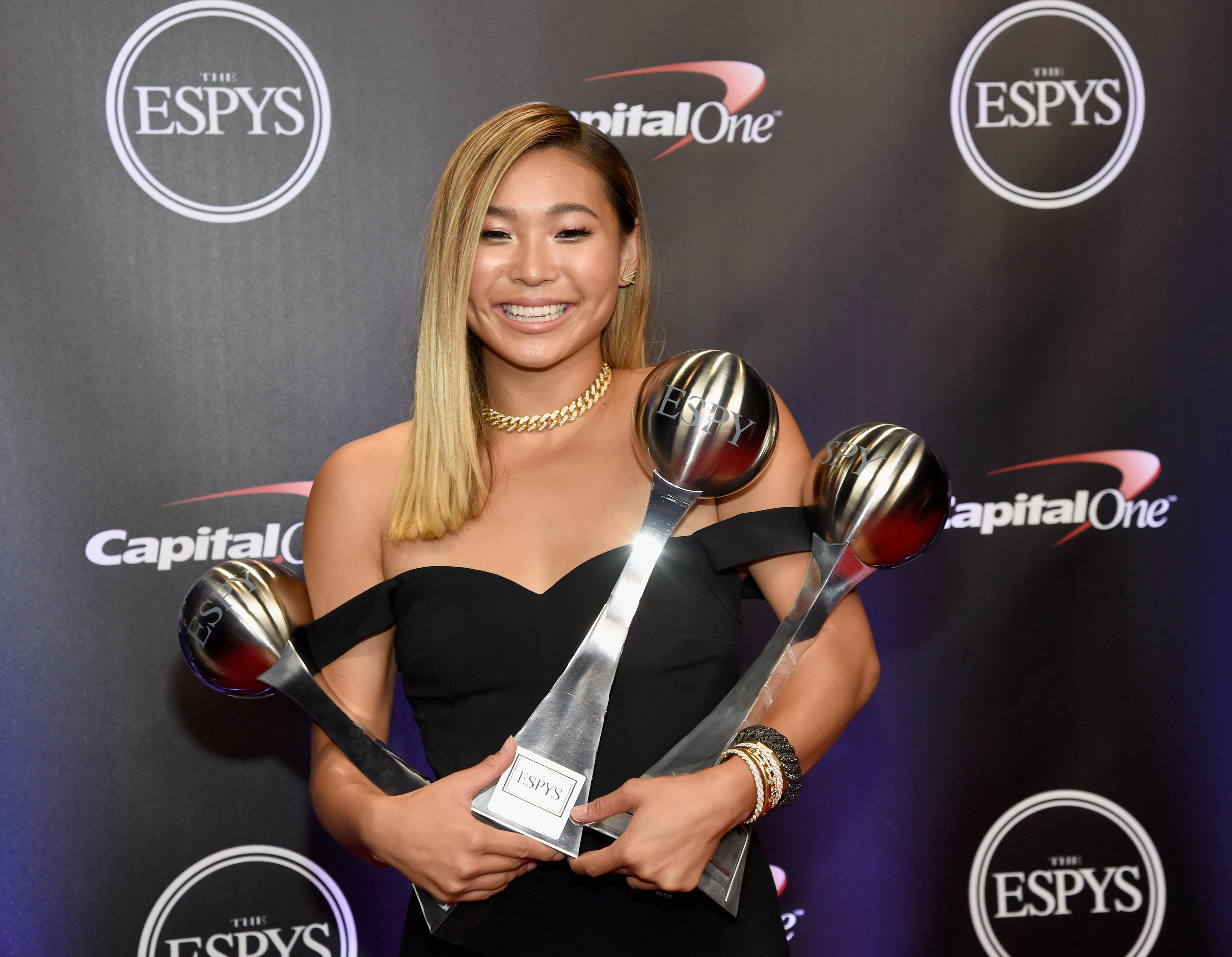
Double Olympic champion Mikaela Shiffrin (Edwards, Colo.) and Olympic gold medalist Chloe Kim (Torrence, Calif.), who each dominated their competition this past season, are nominated for the 2019 ESPY Awards. 

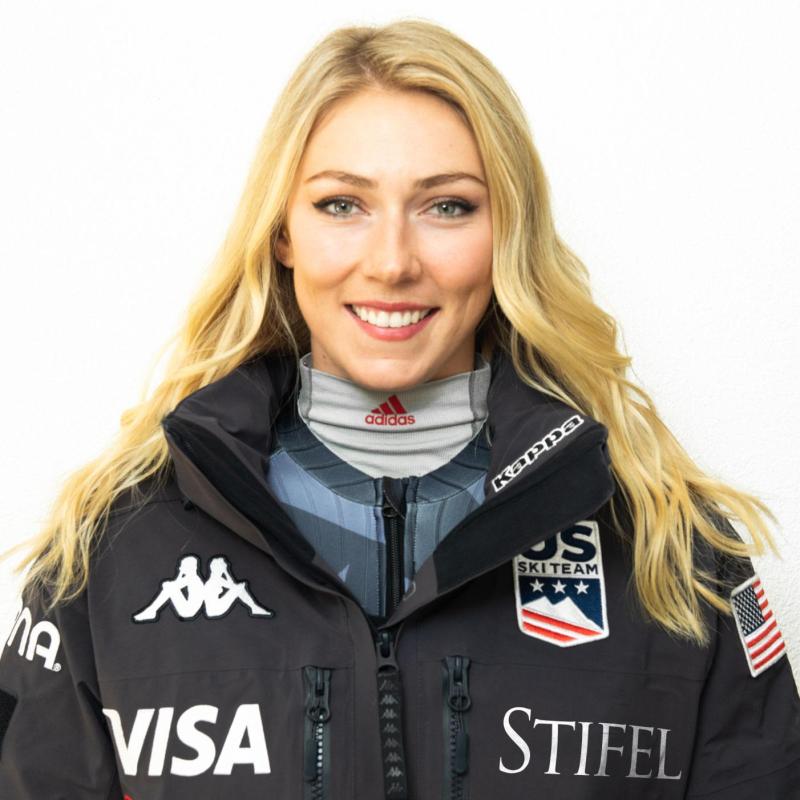
Shiffrin is fresh off a record-smashing 2019 season, making history with a whopping 17 FIS Ski World Cup victories, four World Cup titles and three World Championship medals - two golds and one bronze - including becoming the only athlete in the history of ski racing to win four successive World Championship gold medals in a single discipline (slalom). With what is her best season yet (at a mere 24-years-old), she established herself among the upper echelon of athletes as arguably the most dominant athlete in the world. Shiffrin joins three powerhouse female athletes in the "Best Female Athlete" category: soccer star Alex Morgan, gymnast Simon Biles and basketball player Breanne Stewart. 

Kim cleaned house at the 2018 ESPYS, winning the Best Female Athlete, Best Female Action Sports Athlete and Best Female U.S. Olympic Athlete awards. She dominated her competition this past season, winning her first halfpipe World Championships title in Park City, Utah, and walking away with an 83% winning percentage on the season. Kim is up for Best Female Action Sports Athlete, joining skier Kelly Sildaru, snowboarder Zoi Sadowski-Synnott and surfer Stephanie Gilmore. 

The award show gathers top celebrities from sports and entertainment to commemorate the past year in sports by recognizing major sports achievements, reliving unforgettable moments and saluting the leading performers and performances. The 27th ESPYS will be hosted by Tracy Morgan and will broadcast live on ABC Wednesday, July 10, at 8 p.m. ET from Microsoft Theater in Los Angeles, California.

Voting for the awards is open at www.espn.com/espys, and fans can vote multiple times - so vote for your favorite U.S. Ski & Snowboard athlete, and then vote again and again. And again. 


Kim, Vonn, Shiffrin, Anderson Nominated for Kids' Choice Awards

By U.S. Ski & Snowboard
June, 11 2019
Nick Awards
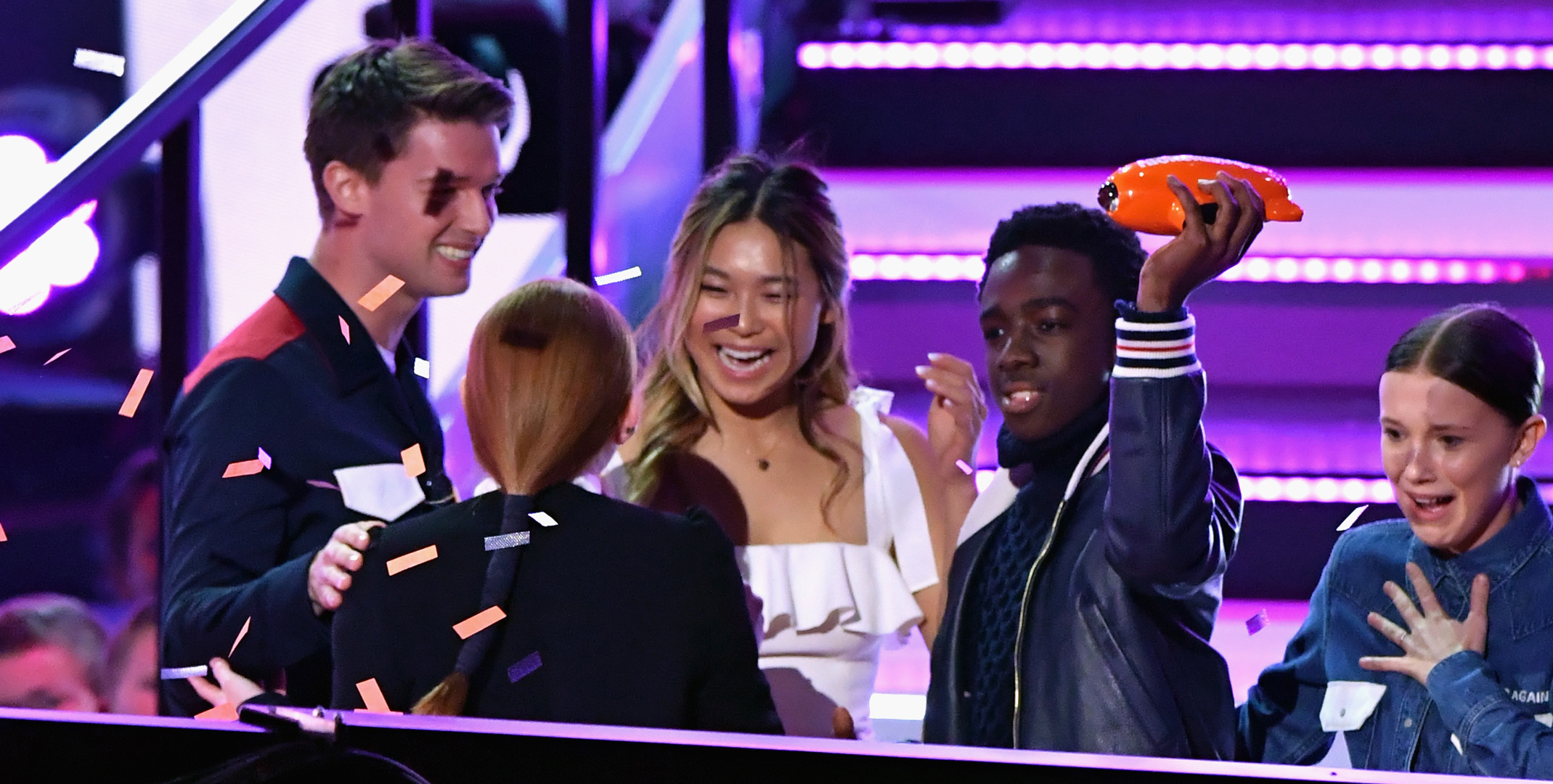
Patrick Schwarzenegger (left) and Chloe Kim present the Favorite TV Show award for 'Stranger Things' to Sadie Sink, Caleb McLaughlin, and Millie Bobby Brown at Nickelodeon's 2018 Kids' Choice Awards at The Forum in Inglewood, California last March. (Getty Images/Film Magic - Jeff Kravitz)

Chloe Kim (Torrence, Calif.), who dominated the competition this past season, winning her first halfpipe World Championships title in Park City, Utah, and Lindsey Vonn (Vail, Colo.) lead the list of four U.S. Ski & Snowboard athletes nominated for the 2019 Nickelodeon Kids' Choice Sport Awards.

Vonn, who retired from competition following her downhill bronze medal performance at the 2019 World Championships, joins Kim in the “Favorite Female Athlete” category, along with soccer star Alex Morgan; tennis players Naomi Osaka and Serena Williams; and gymnast Simone Biles.

Mikaela Shiffrin (Edwards, Colo.) and Vonn are both nominated in the “Need For Speed” category along with NASCAR stars Joey Logano and Kyle Busch; swimmer Katie Ledecky; and Formula 1 driver Lewis Hamilton. Vonn won the “Need For Speed” category at the 2018 Kids' Choice Awards.

Kim and two-time Olympic gold medalist Jamie Anderson (South Lake Tahoe, Calif.) are both nominated in the “Favorite Action Sports Star” category along with skateboarders Nyja Huston and Brighton Zeuner; rock climber Alex Honnold; and surfer John John Florence.

Voting for the awards is open at www.kcs2019.com and on the Screens Up App, and fans can vote multiple times - so vote for your favorite U.S. Ski & Snowboard athlete, and then vote again and again. And again. 

The awards will be presented on July 11 at the Barker Hangar in Santa Monica. The ceremony will be aired Aug. 10 on Nickelodeon. Former NFL defensive lineman-turned-TV host Michael Strahan will return to host the event.

Spyder Deepens Its Partnership With U.S. Ski Team With Expanded Sponsorship Deal

By U.S. Ski & Snowboard
June, 10 2019
Spyder

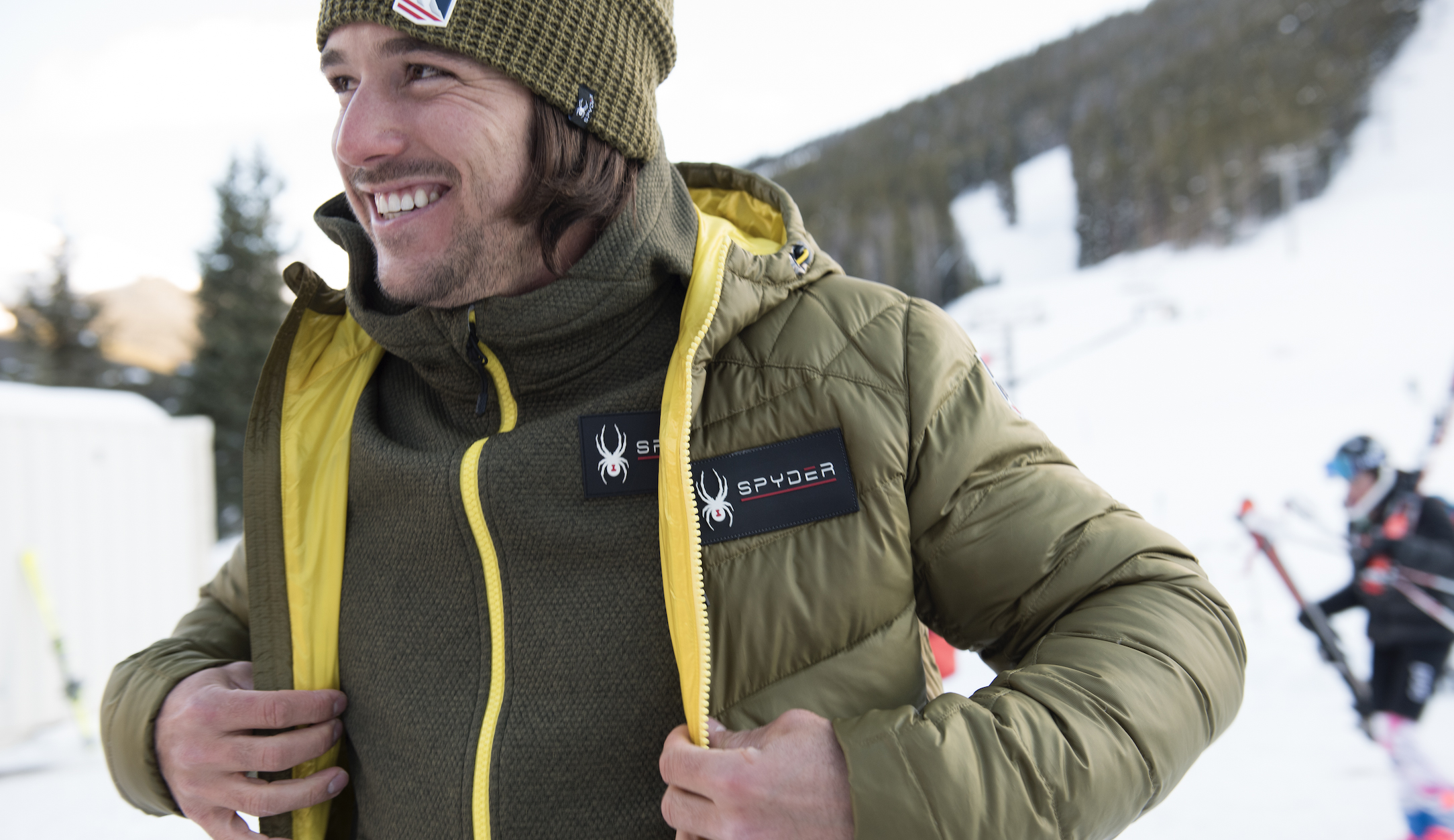
NEW YORK, NY – Spyder, a leading ski and performance brand, today announces the renewal and expansion of its sponsorship agreement with the U.S. Ski Team. Spyder has been the exclusive official apparel partner of the U.S. Ski Team since 1989. Spyder’s agreement will continue with rights to design and create the exclusive men’s and women’s uniform for the U.S. Alpine Team and under the new agreement will add the U.S. Freestyle Team and the U.S. Freeski Team. The agreement also extends to outerwear and baselayers with non-exclusive rights for headwear, shells, pants, insulators, fleece, training gear, gloves, and eyewear, which will also be provided to athletes as part of the official uniform.  

The exclusive Spyder branded uniforms will be worn during 35+ domestic events each year and more than 100 worldwide events as part of the annual World Cup circuit. Additionally, Spyder uniforms are already being utilized, starting with the World Championships which took place in February 2019, and will continue leading up to and during the 2022 Olympic Winter Games in Beijing. 

The U.S. Ski Team is comprised of over 100 high-profile athletes including World Cup winner Steven Nyman, double-Olympic gold medalist Mikaela Shiffrin, junior Olympic gold medal winner River Radamus; the U.S. Freeski Team’s X Games gold medalist Maggie Voisin; and the U.S. Freestyle Team’s World Championship winner Ashley Caldwell and World Championship silver medalist Jaelin Kauf. The team also boasts some of the world’s most famous Olympians who are among the most dominant and successful sports stars of all time competing in events worldwide.

“The U.S. Ski Team has been a critical partner for Spyder for more than three decades. As a leader in performance ski wear, extending our partnership was a natural progression in our shared history,” said Nick Adcock, Chief Executive Officer of Spyder, Global Brand Group U.S. “Performance and Innovation is the foundation of everything we do at Spyder and the U.S. Ski Team allow us to continually elevate our product through their insights and feedback. We look forward to the ongoing collaboration with our now expanded family at the U.S. Ski Team.”

“Everyone at U.S. Ski & Snowboard is delighted that we have renewed and grown our partnership with Spyder,” said Dan Barnett, U.S. Ski & Snowboard’s Chief Marketing Officer. "For over 30 years Spyder has been the perfect partner for our Alpine Team and now we are very pleased to be able to announce that Spyder is adding our Freestyle and Freeski Teams to their roster. Spyder is now the exclusive apparel partner for our Alpine, Freestyle and Freeski teams, a partnership that takes us through 2023 which means Spyder will be worn exclusively by more than 50 world-class athletes competing in Beijing during the 2022 Olympic Winter Games.” 

Spyder offers technical ski, fitness, and lifestyle apparel and accessories for men, women, and children on and off the mountain. The U.S. Alpine, Freestyle and Freeski Team uniforms will include race suits, outerwear, hoodies, gloves, facemasks, and beanies. To learn more and stay up to date on Spyder and the U.S. Ski Team please follow @SpyderActive on social media.

###

About Spyder
Spyder is one of the world’s most recognizable and credible outdoor sportswear brands. Focused on enhancing the ski experience both on and off the mountain, Spyder prides itself on its advanced technical composition and style. Originally founded by David Jacobs, coach of the Canadian Ski Team and Bob Beattie, coach of the United States Ski Team, Spyder’s roots run deep in the ski community. Pioneering its first padded ski sweater in 1978, and sponsoring the U.S. Ski Team since 1989, Spyder offers technical ski, fitness, and lifestyle apparel and accessories for men, women, and children. The highly sought-after brand is available in department stores, sporting goods stores, and specialty retailers throughout North America, Europe, the Middle East, and South Korea.

About U.S. Ski & Snowboard
U.S. Ski & Snowboard is the Olympic National Governing Body (NGB) of ski and snowboard sports in the USA, based in Park City, Utah. Tracing its roots directly back to 1905, the organization represents nearly 200 elite skiers and snowboarders in 2018, competing in seven teams; alpine, cross country, freeski, freestyle, snowboard, nordic combined and ski jumping. In addition to the elite teams, U.S. Ski & Snowboard also provides leadership and direction for tens of thousands of young skiers and snowboarders across the USA, encouraging and supporting them in achieving excellence. By empowering national teams, clubs, coaches, parents, officials, volunteers and fans, U.S. Ski & Snowboard is committed to the progression of its sports, athlete success and the value of team. For more information, visit www.usskiandsnowboard.org

About Authentic Brands Group​
Authentic Brands Group (ABG) is a brand development, marketing, and entertainment company, which owns a portfolio of global entertainment and lifestyle brands. Headquartered in New York City, ABG manages, elevates, and builds the long-term value of more than 50 consumer brands and properties by partnering with best-in-class manufacturers, wholesalers, and retailers. Its brands have a global retail footprint in more than 100,000 points of sale across the luxury, specialty, department store, mid-tier, mass, and e-commerce channels and more than 4,950 branded freestanding stores and shop-in-shops around the world. ABG is committed to transforming brands by delivering compelling product, content, business, and immersive brand experiences. It creates and activates original marketing strategies to drive the success of its brands across all consumer touchpoints, platforms, and emerging media. ABG’s portfolio of iconic and world-renowned brands includes Marilyn Monroe®, Mini Marilyn®, Elvis Presley®, Muhammad Ali®, Shaquille O'Neal®, Sports Illustrated®, Dr. J®, Greg Norman®, Neil Lane®, Thalia®, Michael Jackson® (managed brand), Nautica®, Aéropostale®, Juicy Couture®, Vince Camuto®, Herve Leger®, Judith Leiber®, Frederick's of Hollywood®, Nine West®, Frye®, Jones New York®, Louise et Cie®, Sole Society®, Enzo Angiolini®, CC Corso Como®, Hickey Freeman®, Hart Schaffner Marx®, Adrienne Vittadini®, Taryn Rose®, Bandolino®, Misook®, 1.STATE®, CeCe®, Chaus®, Spyder®, Tretorn®, Tapout®, Prince®, Volcom®, Airwalk®, Vision Street Wear®, Above The Rim®, Hind®, Thomasville®, Drexel®, and Henredon®. For more information, please visit authenticbrandsgroup.com.

About Global Brands Group Holding Limited
Global Brands Group Holding Limited (SEHK Stock Code: 787) is one of the leading branded apparel, footwear and brand management companies. The Group designs develops, markets and sells products under a diverse array of owned and licensed brands and a wide range of product categories. Global Brands’ innovative design, capabilities, strong brand management focus and strategic vision enable it to create new opportunities, product categories and market expansion for brands on a global scale. In addition, the Group is the global leader in the brand management business through its joint venture, CAA-GBG Global Brand Management Group.
The Process of Cultural Shift: Men’s Alpine Ski Team

By Megan Harrod
June, 7 2019
Men's Alpine Team Culture
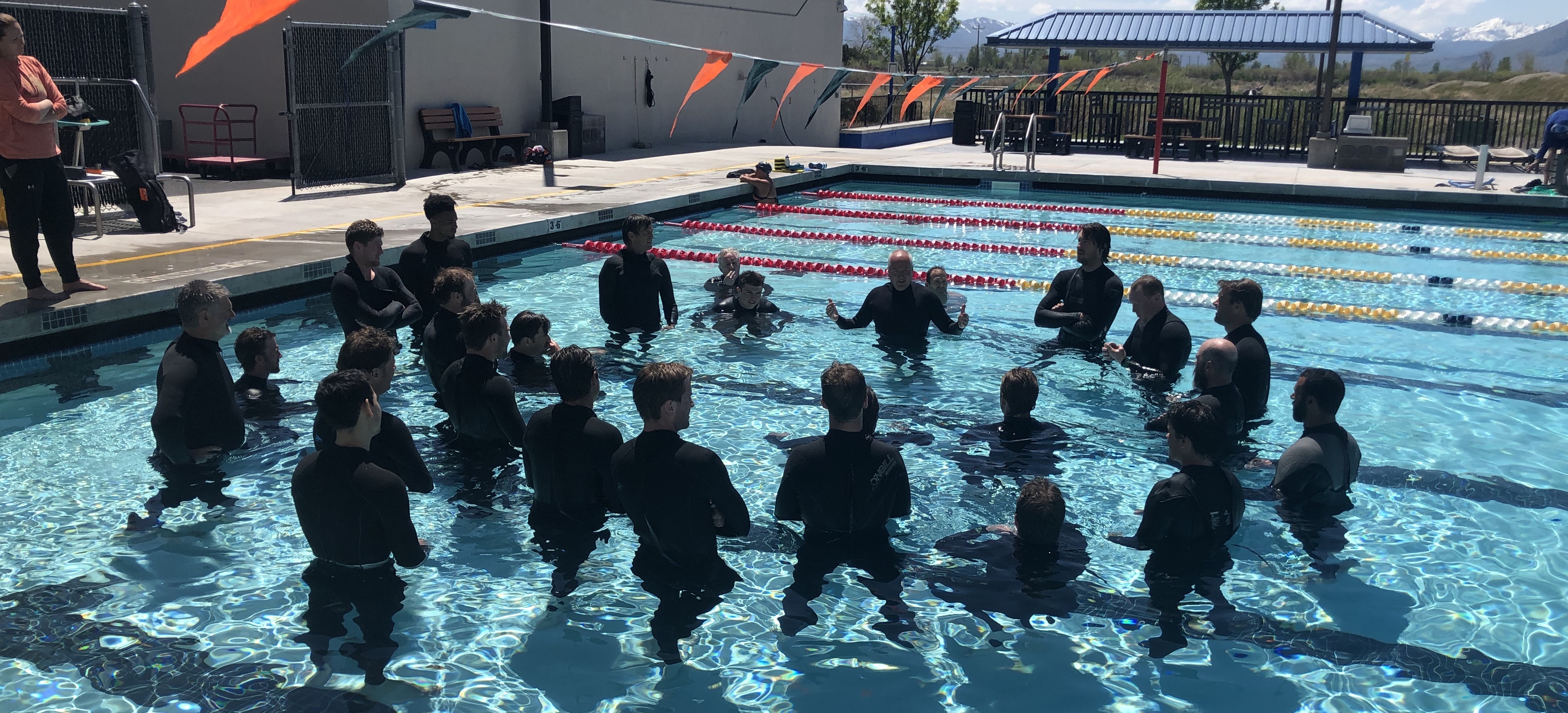
Dr. Andy Walshe, current director of high performance for Red Bull, explains a breathing exercise the the men's alpine staff and athletes during their recent team building camp in California.

With a key focus on team culture, the men’s U.S. Alpine Ski Team recently spent three days in California for a team building and testing camp based out of the certified Center of Excellence Barton Center for Orthopedics and Wellness campus in South Lake Tahoe.

Spearheaded by alpine director Jesse Hunt, the three-day camp involved the entire men’s alpine team, as well as coaching staff, and sports science staff - including strength and conditioning coaches and physiotherapists - to unite through physical testing as well as a series of team-building exercises led by Dr. Andy Walshe and his team from Liminal Collective. Prior to Liminal Collective, Walshe was the director of high performance for Red Bull and formerly held the role at U.S. Ski & Snowboard as well. 

The topic of culture has been a key area of focus for U.S. Ski & Snowboard, that really started as the result of a discussion led by alpine athletes at the conclusion of the 2018 season at U.S. Alpine Championships with President and CEO Tiger Shaw and Chief of Sport Luke Bodensteiner in attendance. It became apparent to Shaw and Bodensteiner that the athletes saw a need for dialing in culture as a team, creating a stronger relationship between the athletes and support staff in the Center of Excellence in Park City, Utah, and improving communication between athletes and staff.

As an organization, U.S. Ski & Snowboard has made an effort to do a deep dive to understand what was done well and what could be improved. The process of creating a cultural shift can be incredibly challenging, especially when competition and training schedules can be all over the place, but the men’s alpine team made significant progress this spring when they brought the entire squad together in California for this three-day camp.

Though the time spent at certified Center of Excellence Barton Center’s campus was just one of the three days, B Team athlete Sam Morse (Sugarloaf, Maine) said “it was probably one of the most productive days of my career with U.S. Ski & Snowboard. The strength and conditioning, sports science and all of the docs and PTs came over from Park City, and we cranked everything out - all of the testing - physicals, bike test, force plate, concussion testing, etc.” The best part for Morse? It was done as one entire team.

“We were able to do all of that, as an entire team, in the Barton Health facility,” Morse reflected. “And it was sweet. They brought a bunch of our gear from the Center of Excellence in Park City - force plates and lactate bikes - there. I had never been to Barton Health, and I was super impressed. Travis (Ganong) had been telling us about it for a while.” From there, the athletes and staff shifted to another location where they did in-depth Navy Seals-esque work with Walshe and Liminal Collective.

Former men’s head speed coach John McBride did a team building camp with the men’s speed team last summer, working with Walshe and doing breath control and exercises that would require the athletes to work as a unified group. The breath control work was less about actually holding your breath, and more about remaining calm when things get chaotic, which can apply to situations on or off the mountain.

“There were a bunch of presentations, personality tests and discussions around that, and then we did all kinds of team-building exercises including a lot of games that were solid ‘type 2’ fun,” noted Morse. “It was sweet, and I have to commend Jesse Hunt for pulling it all together. Most of the coaching staff was there, and they were doing everything we were doing, and for some of those guys, a lot of that pool work was the most strenuous stuff they’ve done in a while. And they were troopers. I thought it was a really productive camp.”

Men’s alpine athletic development coordinator Michael Bingaman echoed Morse regarding the importance of the breathing work, “...they were teaching us how to find calmness in a high-pressure situation - like, for instance, in the start gate at Kitzbuehel. In those moments, you need to understand your physiology and you need to understand how to calm down or get the right amount of amped up but not over-amped. They taught us skills and then we put them to use in the pool. We were working in groups and teams for all of the exercises - the groups were mixed, and during the 10 different activities, the groups changed. Everyone got a chance to work with everyone, and everyone also got the chance to lead.”

As part of this, the former Navy Seals shared their creed with the athletes and staff, who were able to use the creed as a sort of foundation for creating their own version for the men’s U.S. Alpine Ski Team. Bingaman stressed the weight it carried for the message to be delivered by the Navy Seals - who are the epitome of a high-performing team that has to work together because - for them - it’s life or death.

“In the model they have, they understand very clear roles and responsibilities, they all have each other’s backs,” said Bingaman. “They talked about debriefing, and how anyone can say anything, and it’s not a personal attack. No one comes into debriefing sessions with pride, but rather collectively they want to be the best that they can be, so it is essential that they work through an exercise like that. I think helping the athletes to see what that looks like and what it can look like was influential. It’s tough for our sport - because it’s an individual sport but it’s in a team environment - and the Seals did a good job of relating it to us and showing the athletes why it’s important for us to be a unified team.”

Whereas the speed and tech teams have done similar team building exercises in the past, the difference for this particular one was that all athletes across all teams - A, B and C Teams - and staff were together. The process was collaborative and discussion based and showed all of the athletes the importance of breaking down those barriers and working towards one unified goal.

“It was so nice to have everyone in one room for that exercise, as an entire men’s team,” commented Morse. “It definitely feels like a clean slate/new beginning - with Jesse Hunt at the helm, with A, B and C teams being fully funded, and with this push towards 2026, and the Team being like, ‘These are our guys and we’re going to invest in these guys.’ It just means so much to us, as athletes, to feel supported by the organization. It feels like a profession now in a way that it didn’t before. Everyone who was there is committed to moving forward as a united team, knowing that working together as a team will what make us great as a group.”

In order to create a positive culture, it’s necessary to discuss the more challenging topics and get everything out in the open, and the team did just that - taking time to identify what the “perfect” teammate looks like as well as what the worst qualities are in a teammate. From there, they set up situations that allowed the athletes and staff to role play and work through challenges.

“For instance,” recalled Bingaman, “they got Steven (Nyman), and a couple of younger athletes together it said, ‘Ok, guys - Steven just arrived to the team meeting late. How are you going to handle this?’ That’s what we have to do. We say these things, but then when it comes to a real world situation, the guys are going to have put it into practice. Some of the athletes even discussed real issues that occurred during the season and they sat down and worked through the situation in front of everyone, and it went super well. That was great.”

The power of a three-day camp focused on building a more positive team culture where the athletes could take ownership and lead, was vast. “Maybe the coolest piece was that - at the end of that day - we were in a massive circle and we all went around one by one and said what our takeaways were. It was really cool to see the older guys like Travis (Ganong) and Bryce (Bennett) really into it - and how they were so passionate about where the team was going and how they wanted everyone to be on the same page. I think it made us realize that, if we as a staff, can step back and let the athletes take ownership and lead, they’re going to do something amazing.”

With numerous men’s alpine athletes in a position to win at every level, this cultural shift may just be the final ingredient in getting them back to the top.

Moguls and Alpine Athletes Find Common Ground

By U.S. Ski & Snowboard
June, 5 2019
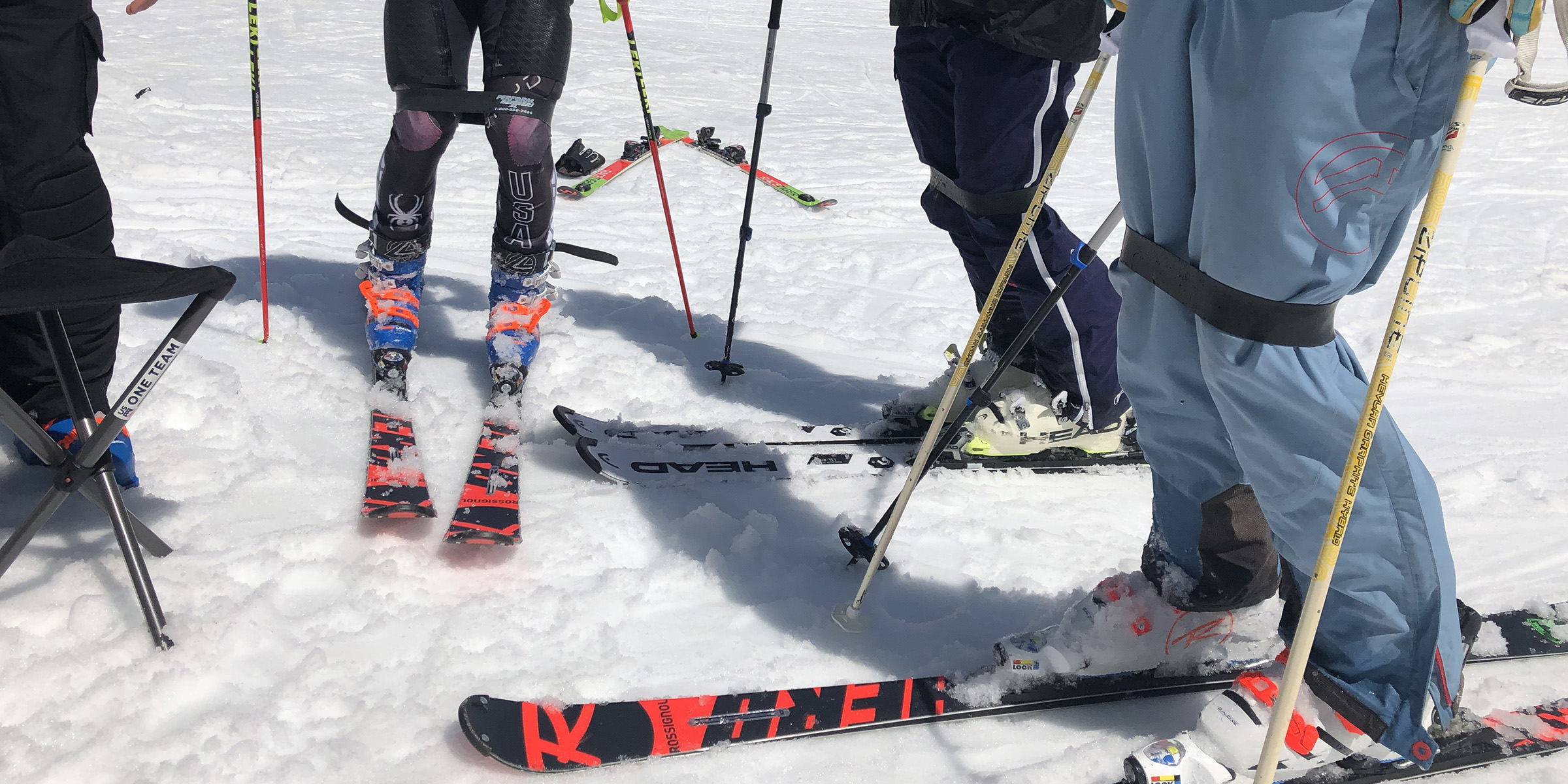
Alpine skiers do a moguls drill
Alpine athletes use exercise bands to force their legs closer together through the mogul field as part of a crossover drill (U.S. Ski & Snowboard - Matt Gnoza)

During the competition season the seven teams that comprise U.S. Ski & Snowboard each criss-cross the globe competing for podiums. There is little opportunity for cross-team interaction, even though these athletes all represent the same organization. However, the spring prep period provides opportunity for teams to exchange ideas when training camps overlap. Recently the moguls team and the men’s alpine development camp both trained at U.S. Ski & Snowboard official training site at Squaw Valley, Calif. and were able to capitalize on skiing collaborations.

Moguls skiing is a freestyle discipline, and grew out of a desire to challenge the alpine system of doing things when the sport first took off in the 1960s and 70s. Although moguls and alpine skiers may not see eye to eye when it comes to their preferred way of getting down the course - carving around gates versus turning around bumps; flying in a tuck versus getting inverted - there is a lot that both disciplines can learn from each other.

The practice of cross training, or utilizing different forms of exercise, is known for creating and maintaining a high level of fitness. The same principle can be applied in skiing: the more proficient a skier is in varying conditions, the stronger they are overall. In having moguls athletes train on alpine courses and alpine athletes train on moguls courses, skiers are able to challenge their specific skill set. This builds stronger, more well-rounded skiers, which makes a difference during competition when courses and snow conditions vary.

The moguls team utilized the alpine team’s slalom roller terrain features as well as their gate and brushes skills courses. “The courses work on all the skills needed to become a proficient, all-around skier: balance, rotary movements, edging and pressure,” explained U.S. Ski & Snowboard’s Head Moguls Coach, Matt Gnoza. “I know my athletes can ski the bumps well, but taking them out of their comfort zone and placing them in an alpine skill course was a welcome challenge for them.”

Head Men’s Development Coach Sasha Rearick is known by athletes for his unconventional approach to teaching fundamentals of the sport. In fact, last year while in Squaw Valley, Rearick said his alpine development team athletes did some work with the moguls team, taking a couple of runs through the moguls. This year, it was a more structured collaboration with Gnoza and the moguls athletes.

“The moguls skiers would come over for a few runs and would run through our stubbies/brush courses, and we’d go over and ski the mogul track,” Rearick said. “One day we took the entire group over and Tess Johnson and Casey Andringa gave us a general scope of what they were working on, and gave us some advice on how to ski in the mogul track. I was concerned that we’d mess the track up, but they assured us it would be OK. From there, I had selected a couple of guys each day to go and join the moguls team for a couple of hours.”

To the untrained eye, alpine and moguls skiing looks radically different. Moguls athletes ski a line down a mogul field, with a top and bottom air; alpine athletes compete in six different disciplines - parallel slalom, slalom, giant slalom, super-G, downhill and alpine combined - with courses set where gates are close together and more technical (slalom and giant slalom) to courses where gates are farther apart known as “speed disciplines” (super-G and downhill). In alpine, the fastest one down wins. However, when breaking down basic parts of the technique needed to be proficient in either discipline, similarities appear.

Beyond that, Rearick noted that it’s important for his alpine athletes to be able to express themselves in a variety of ways when they’re skiing - from slalom to downhill, off-piste skiing,and moguls as well. “I want to make sure that everyone has the skills to express themselves in their own way. The common thread between all of these types of skiing is a good athletic stance and balance, so our first goal is to broaden that base. Secondly, the ability to keep the skis on the snow in moguls skiing is really challenging, and it’s a skill set needed in alpine ski racing - especially slalom skiing.”

Alpine athletes did this moguls skiing leading up to the slalom block, working on keeping the skis on the snow and flexion/extension as the key area of focus to maintain that pressure to control the skis and keep them on the snow. “Rounding out the fundamentals for alpine ski racing,” Rearick added, “are the pole plant and, finally, upper body discipline. These skills are accentuated in moguls skiing and make for a much more precise moguls skier.”

“Training with the alpine team provided an opportunity to compare notes with their coaching staff,” said Gnoza. “Both disciplines’ courses provide ample opportunity to work on ankle flexion in different ways, which is important in both alpine and moguls skiing. It was fun to compare notes and drills on having a quiet upper body, which moguls skiers are very good at, and the alpine team was working on.”

Rearick echoed Gnoza’s sentiments, “It was cool to talk with the coaches about what they’re working on and how they’re working on it; their precision in their sport is remarkable. The simplicity of the sport is much more focused - but because of that, they have to be really specific with their feedback. That level of detail - two inches this or that way - was fascinating to be around as a coach and to see that level of detail being applied in high-level athletics was just incredible.”

Alpine athletes - like Isaiah Nelson (Wayzata, Minn.) who transitioned from the moguls back to slalom training - improved their upper body position and precision of pole plants. That was a huge positive for Rearick with the crossover training.

“It was such a pleasure to work alongside the men’s alpine development camp,” said Gnoza. “Having the athletes and coaches working together toward a common vision of becoming best in the world was very exciting to be part of. I think everyone left that camp feeling that while working alone we can get things accomplished, but working together we can accomplish so much more.”

Alpine Athlete Membership

It’s important your athlete has the correct membership for his/her sport. Please review the options below and the Alpine Membership & Benefits outline to determine which membership is best for your child.

SafeSport and Background Screening Requirements:

World Cup Ski Racing Returns to Killington Through 2020

By Megan Harrod
June, 3 2019
World Cup Returns to Killington Through 2020
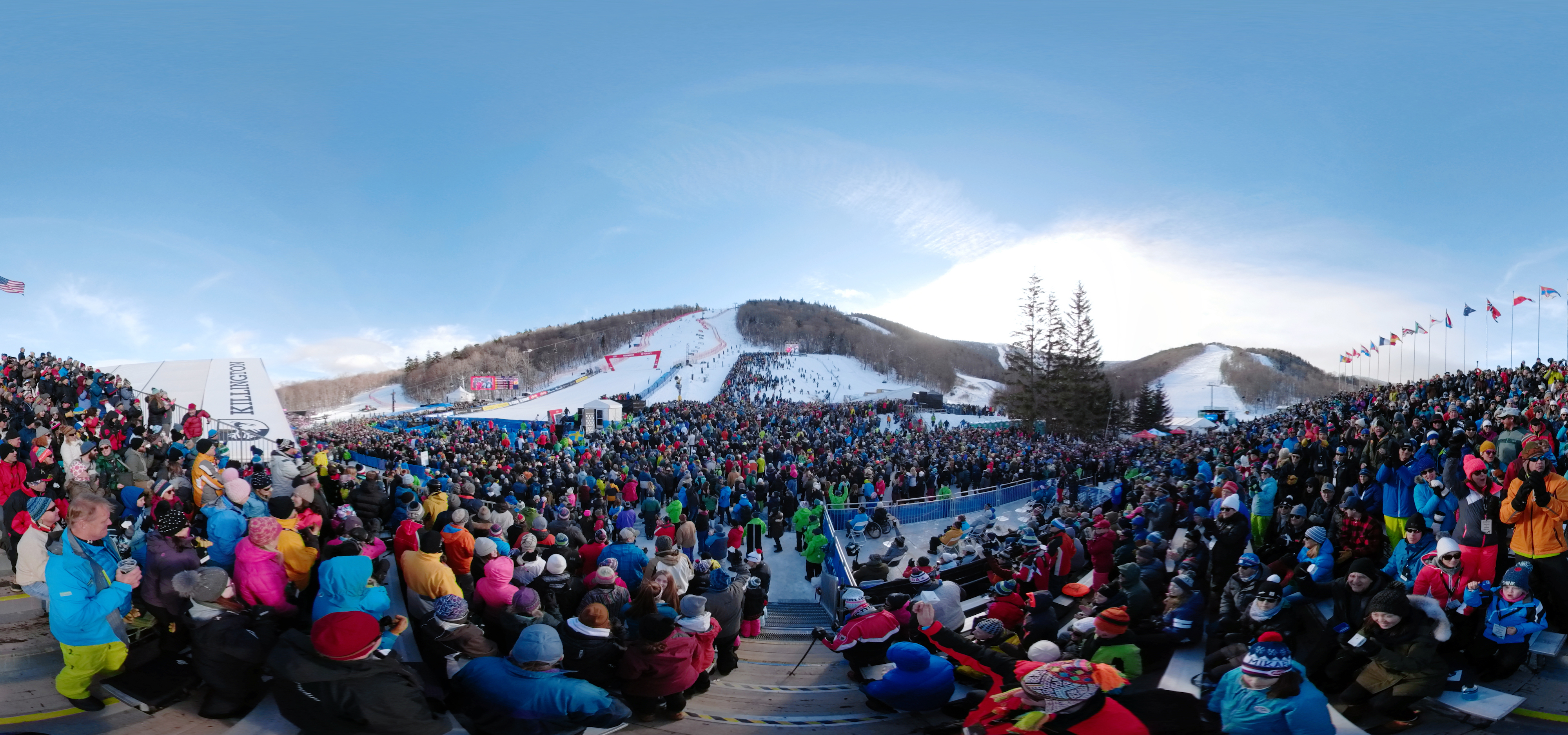
This will mark the fourth year Killington has hosted the World Cup, and with spectator numbers peaking at 40,000 last year, “The Beast of the East” has been solidified as a strong venue for World Cup alpine ski racing to continue on the East coast. (U.S. Ski & Snowboard - Aaron Springston)

U.S. Ski & Snowboard, the National Governing Body (NGB) of Olympic ski and snowboard sports in the USA, and Vermont’s Killington Resort, the largest ski and snowboard resort in Eastern North America and part of POWDR, have solidified a two-year agreement for Vermont’s Killington Resort to host the FIS Ski World Cup. Killington’s place on the 2019 World Cup calendar has been confirmed by the International Ski Federation (FIS). HomeLight will be the title sponsor for the next World Cup at Killington, which will take place November 30-December 1, 2019, Thanksgiving weekend.

U.S. Ski & Snowboard is eager to "Bring it home," as this year marks the first year that HomeLight, the San Francisco-based real estate technology company, will be the title sponsor for the World Cup at Killington, the Homelight Killington Cup. This event will be the only domestic stop on the World Cup tour for the women of the U.S. Ski Team, including two-time Olympic gold medalist and global superstar Mikaela Shiffrin (Edwards, Colo.). The highly anticipated event signals the beginning of the ski season for many fans.

As with the past three years of the FIS Ski World Cup, the proposed 2019 and 2020 races at Killington will be broadcast worldwide to more than 60 nations, along with national broadcast coverage across the U.S. The event has drawn an increasing number of spectators who converge in Killington each year to cheer on racers from around the world. Peaking at 40,000 spectators last year, the event is anticipated to bring millions of dollars in economic impact to the Killington Region and the state of Vermont.

“Establishing another multi-year World Cup schedule here at Killington is an incredible opportunity for the resort and the surrounding community. I continue to be blown away by the sheer size of the crowds, and their enthusiasm leads me to believe that we’ll continue to see large numbers of spectators to watch the fastest female ski racers in the world take on the Superstar trail,” says Mike Solimano, president and general manager of Killington Resort.

“We use every cold period in October and November to build a world-class race venue on Superstar, and getting the job done early in the season showcases Killington’s state-of-the-art snowmaking system as an industry-leading powerhouse while also setting us up to offer the longest season in the East. In fact, we skied into June this season for the second time in three years.”

The World Cup includes women’s giant slalom and slalom races, attracting athletes such as Shiffrin, who has emerged victorious in slalom each of the last three years at Killington, for the hat trick. "The Killington World Cup has been a highlight of mine on the World Cup tour the last three seasons,” said Shiffrin. “In 2018 we – all of us together – set a new precedent for ski racing internationally, boasting the largest World Cup crowd for women on the entire circuit. To get that hat trick slalom victory in front of thousands of screaming fans at home is something I will never, ever forget. I'm looking forward to once again competing on home soil."

Tickets for the 2019 HomeLight Killington Cup will go on sale in August. Stay tuned to Killington and U.S. Ski & Snowboard channels for more information.

U.S. Ski & Snowboard has had a long relationship with POWDR producing World Cup and Grand Prix events at other POWDR resorts including Copper Mountain, and the collaboration for Killington’s World Cup the past three years solidified “The Beast of the East” as a strong venue for World Cup alpine ski racing to continue on the East coast.

###

About HomeLight
HomeLight empowers people to make smarter decisions when buying or selling a home. Since launching in 2010, HomeLight has connected thousands of clients with top local real estate agents, investors and online resources. With offices in San Francisco, Seattle and Phoenix, HomeLight conducts business nationwide. HomeLight is backed by Zeev Ventures, Menlo Ventures, SGVC, Citi Ventures, Bullpen Capital, Crosslink Capital, Montage Ventures, GV, Innovation Endeavors and more. For more information, visit www.homelight.com.

About Killington Resort
Killington Resort is a four-season destination sitting on 3,000 acres in the heart of Central Vermont’s Green Mountains. Killington boasts 92 miles of diverse snow sports terrain spread across six peaks including Pico Mountain, and served by the most expansive lift network and snowmaking system in Eastern North America. After the snow melts, Killington features an 18-hole championship golf course, the family-friendly Snowshed Adventure Center, 35 miles of mountain biking trails and 15 miles of hiking trails. The seemingly infinite après, dining, and lodging options have made Killington a world-class destination for East Coast skiers and riders for over 55 years. Killington is part of the POWDR adventure lifestyle portfolio. Visit www.killington.com for more information and discover more of what The Beast offers with and #beast365.

Ritchie Chosen as 2019 Recipient of Eastern Ski Writers' Golden Ski Award

By U.S. Ski & Snowboard
May, 31 2019
Ben Ritchie Wins Golden Ski Award
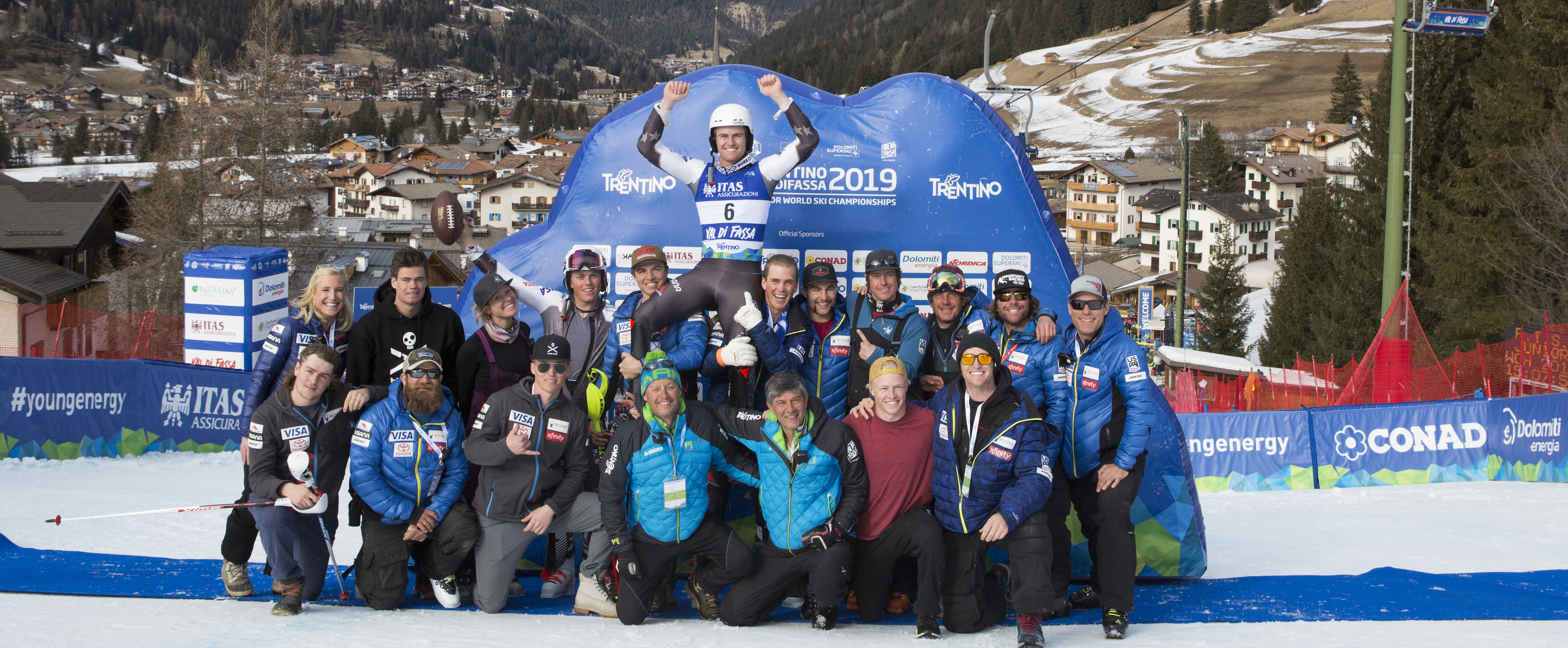
FIS Ski Junior World Ski Championships slalom silver medalist Ben Ritchie (Waitsfield, Vt.) has been chosen as the 2019 recipient of the Eastern Ski Writers Golden Ski Award.

FIS Ski Junior World Ski Championships slalom silver medalist Ben Ritchie (Waitsfield, Vt.) and 2019 World Junior Ski Championships teammate Claire Thomas (Salt Lake City, Utah) have been chosen as the 2019 recipients of the Eastern Ski Writers Golden Ski Award.

Each season the most promising male and female junior alpine racers in the Eastern U.S. have been recognized by the North American Snowsports Journalist Association—East (NASJA-E) with the Golden Ski Award. For the first time this year, the award will be presented by the New England Ski Museum at a reception at the Museum in Franconia Notch on Friday, June 21, from 5 to 7 pm.

This will be Ritchie's second Golden Ski Award. Ritchie has been a top performer in the Eastern Region for many seasons, highlighted by his last two seasons with the U.S. Ski Team where he progressed from the D team to the B team. He has raced his way to being ranked 67th in the world overall for slalom and first worldwide for his age. Ritchie went on to achieve a silver medal at the Junior World Ski Championships and was third overall in the NorAm slalom standings. Ritchie is an exciting skier to watch attack a course and his coaches are looking forward to seeing him take his skill and hard work to the next level.

Thomas had an amazing season for the Dartmouth College Ski Team that was highlighted with her trip to the Junior World Ski Championships in Pozza Di Fassa, Italy. Her collegiate season resulted in top six standings in both slalom and giant slalom on the Eastern Intercollegiate Ski Association (EISA) circuit; that speed translated to the NORAM circuit where she finished 11th in the giant slalom standings. Her success on the collegiate and NORAM circuit led to her being ranked in the top 100 in the world for giant slalom and 9th for her age. Thomas' career is on an exciting trajectory and she will be a fun skier to watch in seasons to come.

The Golden Ski Award was first presented to the top junior male and female skiers in the East in 1969, the year after the modern World Cup circuit started. The award was conceived by the Eastern Ski Writers’ Association that year and was exhibited in the offices of the U.S. Eastern Amateur Ski Association, then in Littleton, New Hampshire. After the presentation in 1975, the Golden Ski was somehow misplaced, likely as a result of a relocation of the USEASA headquarters. In 2007, a New England Ski Museum member came across the original Golden Ski trophy in a Lake Placid office and donated it to the Museum. The Eastern Ski Writers

Association, later renamed NASJA-East, revitalized the honor and presented it for a decade beginning in 2008 at the Museum’s spring exhibit opening reception. When NASJA-East voted to disband in 2018, the New England Ski Museum’s board of directors elected to continue awarding the Golden Ski rather than let it lapse a second time. The origin of the award will be remembered in the title ‘Eastern Ski Writers Golden Ski Award.’

“The Golden Ski Award is the oldest honor given to junior alpine ski racers that exist today,” says Jim Gregory, Chair of the New England Ski Museum’s Golden Ski Award Committee. “We are proud this year to honor two extraordinary athletes, Claire Thomas, and two-time winner Ben Ritchie, and we look forward to watching them pursue their goals and set the bar even higher in the sport we all love so much.”

Winners of the Golden Ski Award have gone on to World Cup podiums and even to Olympic gold, and now many of the names on the award, perhaps obscure when they were originally announced as juniors, are well-known in ski racing circles. 

GOLDEN SKI AWARD RECIPIENTS:
1969: Tyler Palmer, Karen Middleton
1970: Charles Bent, Karen Middleton
1971: Rod Taylor, Judy McNealus
1972: Laurent Gaudin, Jody Palmer 
1973: Jerry McNealus, No female winner
1974: No award
1975: Scott Light, Holly Flanders
1976-2007: Award lost
2008: Bump Heldman, Julia Ford
2009: Nolan Kasper, Julia Ford
2010: Ryan Cochran-Siegle, Julia Ford
2011: Ryan Cochran-Siegle, Mikaela Shiffrin
2012: Ryan Cochran-Siegle, Mikaela Shiffrin
2013: Kieffer Christianson, Mikaela Shiffrin
2014: Sam Morse, Alice Merryweather
2015: Drew Duffy, Nina O’Brien
2016: Ben Ritchie, Cecily Decker
2017: George Steffey, Patricia Mangan
2018: Jimmy Krupka, Abigail Jewett
2019: Ben Ritchie, Claire Thomas

Release courtesy of Jim Gregory, Chair: Eastern Ski Writers Golden Ski Award.